
Florida Hiking Trails Worth Lacing Up Your Shoes For
Myakka River State Park, near Sarasota, is one of those places that makes first-time Florida hikers stop and recalibrate their expectations. The park sits along the Myakka River, and the trails move through open prairies, oak hammocks, and wetlands that feel genuinely wild. Birds are everywhere, and the river itself, on a calm morning, looks like hammered silver. It's the kind of place you want to linger in.
Alexander Springs Recreation Area is part of the National Forests in Florida, and it earns its reputation. The area offers forested trails alongside activities like swimming, canoeing, and birding, all set against the kind of abundant water that gives Florida its otherworldly quality. Pack a lunch. You'll want to stay awhile after your hike. The combination of forest and spring water makes it one of the more restorative spots in the state.
Clearwater Lake Recreation Area, also in the National Forests in Florida, offers a nature trail that winds through pine woods and scrub around the lake. There's a shaded campground, a day use picnic area, and a beach nearby, which makes it a solid choice if you're bringing kids or just want flexibility in your day. The scrub terrain is uniquely Floridian, open and sun-drenched with a quiet that's almost startling. It's not dramatic, but it's genuinely peaceful.
Where Florida Hikers Actually Head First
Florida summers are real. The heat and humidity are not a minor inconvenience; they shape your whole approach to a hike. That said, summer hiking in Florida is absolutely possible, and some of the state's most popular trails are busy all season long. The key is starting early, well before 10 a.m. if you can manage it, and carrying more water than you think you need.
The Black Bear Wilderness Area Trail is one of the trails specifically noted as a strong summer option. It follows the St. Johns River through floodplain forest, and the canopy cover gives you real shade. The Kolokee Loop Trail is another summer favorite on AllTrails. Both are worth saving to your list if you're planning a warm-weather trip. Summer mornings on these trails can feel surprisingly serene before the heat peaks.
Florida's cooler months, roughly November through March, bring lower humidity and more comfortable temperatures for longer hikes. If you have flexibility in your schedule, that window is when Florida hiking opens up in a bigger way. Trails that feel intense in August become genuinely leisurely in January. Plan accordingly, and know that either season has something real to offer.
Wildlife and What You Might See on the Trail
Birdwatching and hiking go together naturally in Florida, and two spots in particular stand out. Alexander Springs Recreation Area and St. Marks Wilderness are both noted for their birdwatching, and the biodiversity in these areas is hard to overstate. At St. Marks, you might spot migratory shorebirds, wading birds, and raptors depending on the season. Bring binoculars if you have them. You won't regret the extra few ounces in your pack.
The Black Bear Wilderness Area Trail carries a name that reflects its ecosystem. Black bears are present in that region of Florida, which is worth knowing before you head out. Standard bear awareness applies: don't hike alone if you're nervous about it, make noise on the trail, and don't bring food in packaging that holds strong scents. Guided tours are available for this trail, which is a solid option if it's your first time out there. More on that below.
Florida's water-rich environments mean you'll share trails with more than just birds. Alligators are common near freshwater in Florida, and they're worth watching for near springs and river banks, especially at Alexander Springs and Myakka River State Park. Keep a respectful distance and don't approach them. They're part of the landscape, and most encounters are a distant, unhurried observation from the trail. That's genuinely part of what makes Florida hiking feel different from anywhere else.
Terrain and Difficulty: What Florida Trails Are Actually Like
Florida is flat. That's not a complaint; it's just the reality, and it changes how you experience distance on a trail. Without elevation gain to signal effort, you might hike further than you planned because the trail just keeps unfolding in front of you. That's a feature, not a flaw, especially for beginners or anyone coming back from an injury. Your legs won't be screaming, but your feet and hips will still feel the miles.
The terrain itself is genuinely varied across the state. AllTrails organizes Florida hiking into North Florida and South Florida regional lists, and the landscapes shift considerably between them. North Florida trails move through pine flatwoods, hardwood hammocks, and river corridors. South Florida, including the Everglades, opens into sawgrass prairies and mangrove edges that feel like a different world. Both are worth exploring if you have the time.
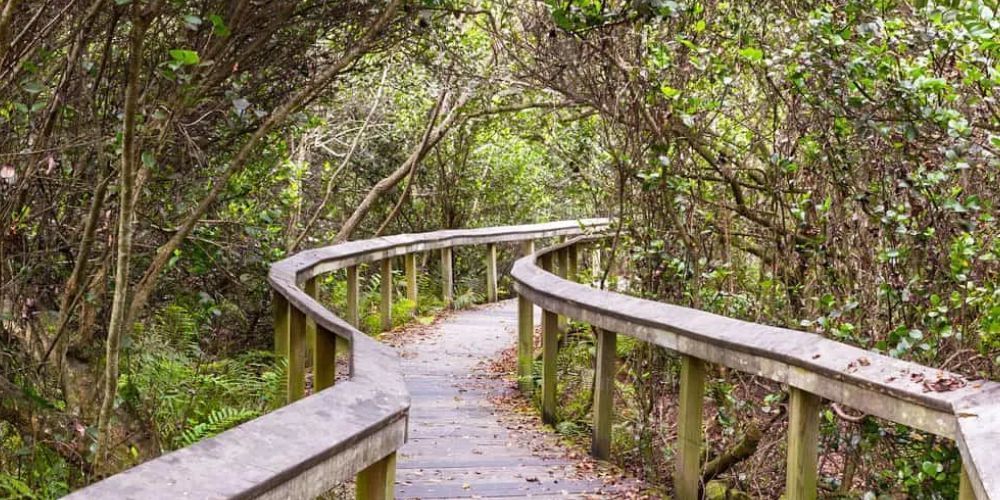
Wet terrain is a real factor on Florida trails, particularly in summer and after heavy rain. Boardwalks and elevated trail sections exist in many parks for exactly this reason, but expect that some trails will have standing water or muddy patches. Waterproof trail shoes or sandals designed for wet terrain are worth considering. It's not a reason to avoid the trails; it's just something to plan for so you're not surprised.
Guided Hikes and Where to Find Local Expertise
Florida hiking has its own expert community, and it's worth tapping into before you plan your trip. Sandra Friend and John Keatley built FloridaHikes.com as a comprehensive platform for trail information across the state. Their documentation of Florida trails covers terrain, difficulty, and regional context in a way that general hiking apps don't always capture. It's a practical resource, and it reflects genuine local knowledge.
Guided hiking tours are available throughout Florida, with options specifically to the Everglades and the Black Bear Wilderness Area. The guides on these tours are vetted local experts, which matters in a landscape like the Everglades where navigation and wildlife awareness are genuinely important. The Everglades is listed as a top destination for guided hiking in Florida, and for good reason. It's not a trail you want to wander into unprepared.
If you're new to Florida hiking or trying a trail in an unfamiliar region, a guided tour is a real option, not just a beginner concession. Experienced hikers use them too, especially in ecosystems that are ecologically complex or where wildlife encounters are more likely. For a mother-daughter trip or a group of friends trying something new, a guided half-day hike in the Everglades is a strong starting point. You'll come home with context that deepens every Florida hike after it.
Essential Gear for Florida

Yaktrax Walk Traction Cleats for Snow and Ice

Yaktrax Diamond Grip All-Surface Ice Traction Cleats
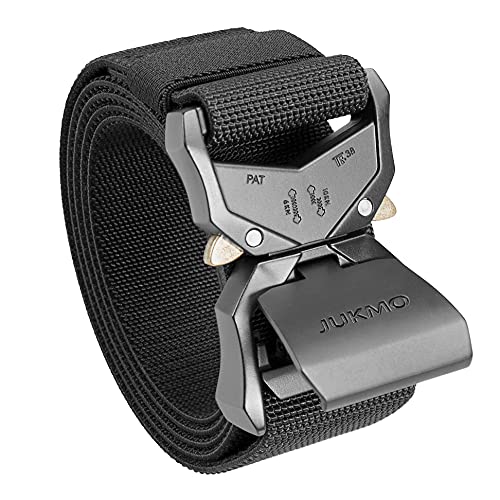
Jukmo Tactical Nylon Hiking Belt, 1.5 Inch

Anlisim Merino Wool Hiking Socks for Women, 5 Pairs
Gear Tips for Hiking in Florida's Climate
Florida heat and humidity are the first things to plan around, especially in summer. The priority is moisture-wicking clothing from head to toe. Cotton holds sweat against your skin and slows cooling; lightweight synthetic or merino fabrics move moisture away and dry faster. A lightweight long-sleeve shirt also gives you sun protection without adding real heat, which matters on exposed sections of trail where shade disappears.
Your feet take a different kind of beating on Florida trails than they would on rocky mountain terrain. The ground is often sandy, wet, or both. Trail runners or waterproof hiking shoes with good drainage work well for most Florida trails. For spring areas like Alexander Springs, water-ready sandals with ankle support are worth packing as a second option. Blisters from wet socks are one of the most common complaints on Florida trails, and a simple liner sock can prevent most of that.
Sun protection and hydration are not optional here. Broad-spectrum sunscreen with SPF 50 or higher, a wide-brim hat, and UV-blocking sunglasses are standard kit for any Florida hike. Carry more water than the trail length suggests you need; heat and humidity increase your output faster than you'll notice. A hydration pack with at least a liter and a half is a practical choice for hikes over two hours. Bug spray with DEET is worth adding to your pack for any trail near water or wetlands.
List of Services
-
Camping in Florida Find Florida's best campgrounds for women, beginners, and families. Top sites, seasonal tips, and gear advice included. Start planning your trip today.Camping in Florida
-
Cycling in Florida Discover Florida's best cycling trails for women, beginners, and families. Find top routes, gear tips, and when to go. Start planning your ride today.Cycling in Florida
-
Hiking in Florida Discover Florida's best hiking trails for women, beginners, and families. Get real tips on top spots, gear, and when to go. Start planning your trip today.Hiking in Florida
-
Kayaking in Florida Find Florida's best kayaking spots for beginners and families. Springs, rivers, wildlife, and gear tips included. Start planning your paddle trip today.Kayaking in Florida