
Kayaking in Florida: Springs, Rivers, and Wild Water Worth Paddling
Florida's kayaking environments are unlike any other state, and that variety is the whole point. On the same trip, you could paddle through a saltwater bay in the morning and a shaded cypress forest by afternoon. The state's spring-fed rivers run at a steady 68 to 72 degrees year-round, which means the water stays clear even in summer. That clarity is what makes Florida paddling feel different from anywhere else.
Juniper Springs Run is one of those routes you remember for a long time. It starts just below the springs and follows the spring run through the heart of the Juniper Prairie Wilderness, ending at a take-out off SR 19. More than 150 paddlers have reviewed it on AllTrails, and the consistent thread is how untouched it feels. You're paddling through wilderness that looks the way Florida looked before most of it was developed.
Rock Springs at Kelly Park is what people around here call the Emerald Cut of Florida, and once you see the color of that water, you'll understand why. It's well-suited for tubing and kayaking with kids, which makes it a reliable pick for a day trip with a daughter or a group of friends who want something easygoing and beautiful. The current does some of the work for you, which is never a bad thing.
Down near the Gulf Coast, the Homosassa and Chassahowitzka Rivers are in a class of their own for wildlife. A canoe trail runs about 5 miles along the eastern boundary of the Chassahowitzka Wilderness. The water is calm and the scenery is dense with Florida's quieter, wilder side.
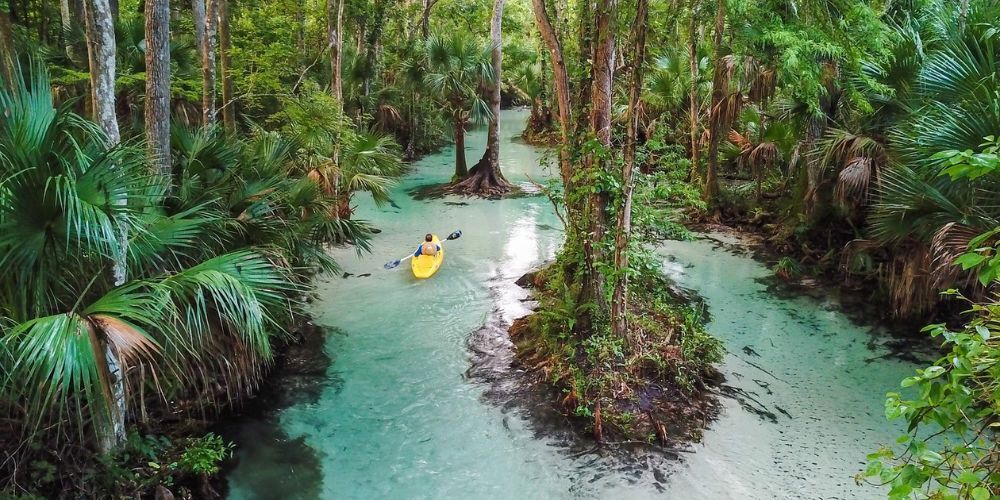
Where Florida's Paddling Trails Actually Take You
Paddling in Florida means sharing the water with creatures that don't care how early you got up or how long you drove to get there. Manatees are the ones people talk about most, and for good reason. Floating alongside one of those gentle animals, even briefly, is the kind of moment you find yourself describing to people for years.
Guided tours across the state are specifically designed around wildlife encounters. Alligators, turtles, and even monkeys have been spotted on guided kayaking tours in Florida. Yes, monkeys. A population of rhesus macaques has lived along the Silver River since the 1930s, reportedly descended from a group released during a tourist attraction that no longer exists. Paddling quietly is usually the best way to spot any of them.
The Chassahowitzka and Homosassa River areas are particularly worth your time if wildlife is what you're after. Both rivers are slow-moving and clear, which means you can see what's underneath the surface as easily as what's alongside it. Bring binoculars. Birding from a kayak on these rivers is genuinely rewarding.
Guided Tours and What They're Actually Like
If you've never kayaked before or you're bringing someone who hasn't, a guided tour takes the guesswork out of the whole day. Florida Kayak Tours runs trips on springs, rivers, and open water across the state, and they offer crystal-clear kayaks that let you look straight down at the water beneath you. That alone is worth trying at least once. Expert local guides come with every tour, and they know where to look for wildlife.
Most beginner-friendly guided tours run about two hours and include all the gear you need. You won't show up and wonder what you forgot. Many tours also include free digital photos taken by the guide during the paddle, which matters more than it sounds when you're trying to actually be present instead of managing your phone.
For first-timers, a guided tour also means you spend your energy on the experience instead of on logistics. You don't have to figure out where to launch, where to take out, or what to do if the current picks up. The guide handles it. You just paddle.
Spots Worth Planning Around in Central and North-Central Florida
Central Florida has a quiet concentration of paddling routes that don't always make the top-ten lists but consistently deliver. AllTrails has curated a dedicated list of Central Florida paddling routes, and the variety across that region is real. Spring runs, river corridors, and forest-lined waterways are all within reach of each other.
Alexander Springs Recreation Area, located within the National Forests in Florida, offers kayaking alongside swimming, scuba diving for certified divers, hiking, and birding. It's the kind of place where you could spend a full day and not run out of things to do. The forested scenery along the water is especially worth the trip if you're coming in from somewhere more urban.
Clearwater Lake Recreation Area, also in the National Forests in Florida, features a 7-mile canoe trail near Clearwater Lake, and canoe rentals are available right at the campground. That detail matters if you're traveling without a roof rack or a trailer. It's a straightforward paddle with consistent scenery and no need to haul your own equipment.
Little Manatee River State Park sits about 5 miles south of Sun City and covers 2,433 acres of Florida landscape. Kayaking and canoeing are both offered here, and the river is calm enough to feel relaxed even if you're just figuring out your paddle stroke. It's the kind of park that earns a return visit.
Florida's Eco-Tourism Culture and the Water That Shaped It
Florida's paddling culture is deeply tied to its spring systems, which Native peoples used, explored, and depended on long before tourism was ever a concept. The springs that feed rivers like Juniper Run and Alexander Springs have been gathering places for thousands of years. When you put in at one of these spots, you're paddling water that has meant something to people for a very long time.
Today, Florida's approach to kayaking and canoeing leans heavily into eco-tourism. Guided tours emphasize wildlife encounters and use local expert guides who know the ecosystems they're working in. That's not just a selling point. It reflects a genuine culture of stewardship around Florida's spring-fed rivers and coastal wilderness areas. The state attracts paddlers from around the world, including dedicated kayaking guides created specifically for international visitors from places like the UK.
That global interest in Florida's waterways says something about what's actually here. These aren't manufactured experiences. They're real ecosystems that reward the kind of slow, quiet attention that kayaking naturally invites.
Essential Gear for Florida
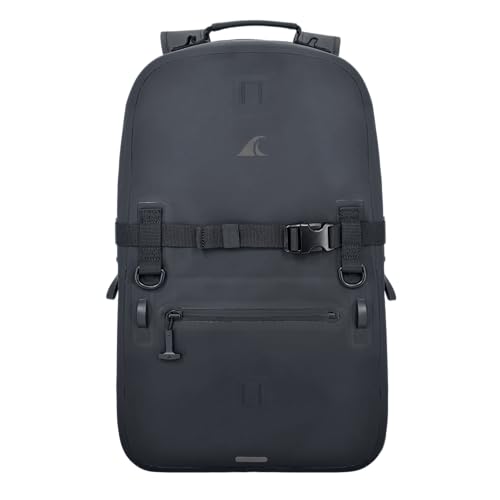
Breakwater Supply Fogland Waterproof Backpack 25L

Athmile Women's Barefoot Water Shoes
Gear That Makes a Difference in Florida's Climate
Florida is warm, humid, and sunny for most of the year, and your gear needs to account for all three of those things before you even think about the water. Sun protection is the most important thing you can prepare for. A long-sleeve UPF shirt is more practical than sunscreen alone, especially on a two-hour paddle where you're reapplying over wet arms every thirty minutes. A wide-brimmed hat that stays on in a breeze is worth owning.
Water shoes or sandals with a secure strap are essential on any Florida paddle. You'll be getting in and out of the kayak, sometimes in soft sand and sometimes on slippery rocks near spring mouths. Bare feet are not a good plan. A dry bag for your phone, keys, and anything that can't get wet is a practical necessity, not an optional accessory.
If you're paddling in spring-fed rivers, the water temperature stays cool even when the air is hot. A light rash guard can help on longer routes, especially for kids who spend more time in the water than in the boat. Staying hydrated matters more than most first-timers expect. Bring more water than you think you'll need, and bring it in a container that fits easily between your knees.
List of Services
-
Camping in Florida Find Florida's best campgrounds for women, beginners, and families. Top sites, seasonal tips, and gear advice included. Start planning your trip today.Camping in Florida
-
Cycling in Florida Discover Florida's best cycling trails for women, beginners, and families. Find top routes, gear tips, and when to go. Start planning your ride today.Cycling in Florida
-
Hiking in Florida Discover Florida's best hiking trails for women, beginners, and families. Get real tips on top spots, gear, and when to go. Start planning your trip today.Hiking in Florida
-
Kayaking in Florida Find Florida's best kayaking spots for beginners and families. Springs, rivers, wildlife, and gear tips included. Start planning your paddle trip today.Kayaking in Florida