
Hiking in Illinois: Where to Go, What to Expect, and How to Make It a Trip Worth Taking
The Rock Island Trail runs 27 miles and follows a former railroad corridor across western Illinois. It's a rail-trail, which means the grade is gentle, the surface is relatively predictable, and you're not scrambling over anything. You can pick a short out-and-back section and turn around whenever you're ready. That flexibility makes it one of the most approachable long trails in the state.
The Illinois and Michigan Canal trail stretches 50 miles and moves through a historic corridor between the Illinois River and Lake Michigan. The terrain is calm and walkable, and the path is well-documented by the Illinois DNR. You'll pass old locktender houses and stone infrastructure that dates back to the 1800s. It's the kind of trail where you get your miles in and learn something at the same time.
Sand Ridge State Forest tends to fly under the radar, but folks who know it come back. It's described as one of the best little-known hiking spots in the Midwest, and trail maps are accessible online through the Illinois State Parks system. The landscape is different from what most people picture when they think of Illinois, with sandy soil and open terrain that feels more like somewhere else entirely. Go on a weekday and you may have stretches of it to yourself.
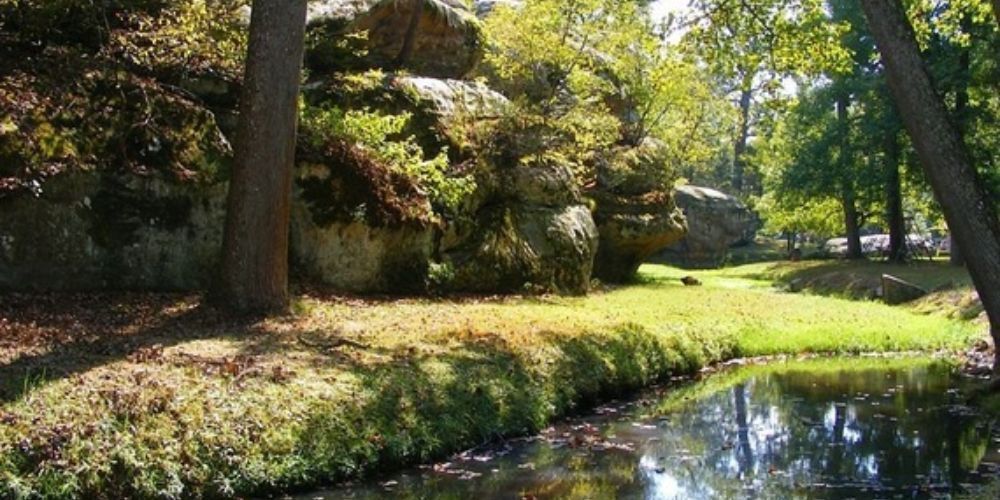
Trails That Are Actually Good for Beginners
Shawnee National Forest sits at the southern tip of the state and carries a different energy than anything in the northern two-thirds of Illinois. The forest pulls a large number of visitors every year, and for good reason. The terrain gets rugged, the views open up, and the trails push you in a way that flat prairie walking simply doesn't.
Guided hiking tours are available in Shawnee, which is worth knowing if you're new to the forest and want someone to orient you before you go back on your own. A guide can take you to places that don't show up on the first page of search results. Southern Illinois as a region has several locally loved sites beyond the national forest that reward exploration.
Crab Orchard National Wildlife Refuge is located five miles west of Marion and five miles south of Herrin, right off I-57 on State Route 148. It's accessible, easy to find, and pairs hiking with a broader wildlife refuge experience. Camping permits for Crab Orchard can be booked through Recreation.gov, so if you want to make a weekend of it, the logistics are straightforward.
Long Trails Worth Planning Around
The Hennepin Canal Parkway runs 155 miles and is the longest of the three major long trails identified by the Illinois DNR. It follows the historic Hennepin Canal, a waterway that was completed in 1907 and built to connect the Illinois River to the Rock River. The canal never became the commercial success its planners hoped for, but it left behind a corridor that's now one of the quieter, more peaceful long walks in the state.
You don't have to do the whole 155 miles to get value from it. Most folks pick a section, drive to a trailhead, and spend a few hours moving along the water. The canal locks and stone structures along the route are preserved, and they give the walk a texture that a standard park trail doesn't. It's a good one to do in pieces over multiple seasons.
The Great River National Wildlife Refuge along the Mississippi is another destination that pairs hiking with genuine wildlife refuge access. Activity reservations and permits can be made through Recreation.gov. The Mississippi River bottomland along this stretch is a different landscape entirely from the canal trails, and it rewards a slower pace.
The History Underneath These Trails
The Illinois and Michigan Canal trail doesn't just follow a pretty corridor. It follows a route that changed what Illinois became. The canal was completed in 1848 and connected the Great Lakes to the Gulf of Mexico by linking Lake Michigan with the Illinois River. Before it opened, Chicago was a small town. After it opened, everything moved faster. Goods, people, ambition.
Walking that 50-mile path puts you in the same corridor where 19th-century laborers, many of them Irish immigrants, dug by hand for years to make it happen. The locktender houses still standing along the route were homes for the families who kept the canal running. You pass them and it's easy to forget for a moment that you're just out for a walk.
The Hennepin Canal carries its own layer of that story. Built decades after the I&M Canal as a shortcut, it was already outdated by the time it opened, overtaken by rail. That kind of history, the thing that almost worked, is woven into the landscape in a way that makes a trail feel like more than exercise. It makes it feel like a conversation with the state.
Gear Tips for Hiking in Illinois
Illinois hiking doesn't demand technical gear, but it rewards being prepared for the climate. Summers are humid and hot, especially in the south, and the sun on an open rail-trail with no canopy cover is relentless by midday. A moisture-wicking shirt and a hat with a brim are the two things you'll be glad you didn't skip. Start earlier than you think you need to.
Spring and fall are the most comfortable seasons on most Illinois trails, but spring especially means mud. Trail surfaces on canal paths and forest roads can get soft after rain. A trail shoe with some grip is worth more than a hiking boot with heavy ankle support for the kind of terrain most of these trails offer. You want something that dries fast and moves with you.
For longer trails like the Hennepin Canal or the Rock Island, a hydration pack or a water bottle you'll actually refill matters more than anything else in the bag. Bring a printed or downloaded offline map from AllTrails or the Illinois DNR site. Cell coverage on some sections of these trails is inconsistent, and a downloaded map costs nothing but costs you nothing to have. Tuck a light rain layer in your pack in spring and fall, and you're set for most of what Illinois weather will throw at you.
Essential Gear for Illinois

Carhartt Classic Adjustable Sling Bag, Black

Iseasoo Copper Compression Socks, 8 Pairs (L/XL)
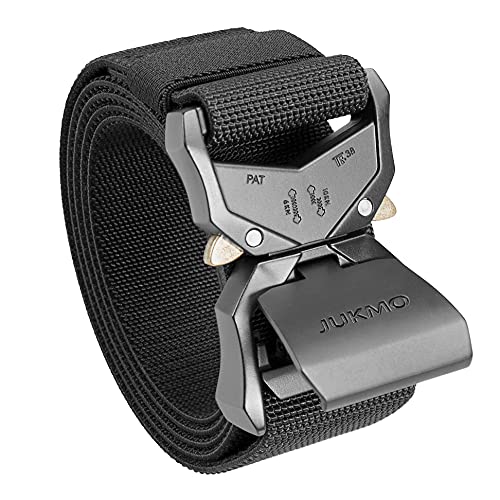
Jukmo Tactical Belt, 1.5-Inch Nylon, Quick Release

Yaktrax Walk Traction Cleats for Snow and Ice

Anlisim Merino Wool Hiking Socks for Women, 5 Pairs
List of Services
-
Camping in Illinois Discover Illinois's best camping spots for women and families. Find top sites, gear tips, and when to go. Start planning your trip today.Camping in Illinois
-
Cycling in Illinois Discover Illinois's best cycling trails for women, beginners, and families. Find top routes, gear tips, and when to go. Start planning your ride today.Cycling in Illinois
-
Hiking in Illinois Find the best hiking trails in Illinois for beginners, families, and friends. Real tips, top spots, gear advice. Start planning your trip today.Hiking in Illinois
-
Kayaking in Illinois Discover Illinois's best kayaking spots for women and families. Find top sites, gear tips, and when to go. Start planning your trip today.Kayaking in Illinois