
Paddling Illinois: Rivers, Lagoons, and the Quiet You Didn't Know You Needed
Illinois has a network of lakes, rivers, and wetlands spread across the state, and the Illinois Department of Natural Resources maintains an official list of approved waterways so you're never guessing. That list is a good first stop before you plan any trip. The diversity is real: calm lagoons near the city, moving river stretches downstate, and quiet wetland inlets in between.
Starved Rock is one of the most recognized starting points for new paddlers. Kayak Starved Rock offers rentals, guided tours, and camping, with access to the Illinois River right in the Starved Rock area. Their guided tours include a quick paddling lesson and a walkthrough of the route before you hit the water. If you've never kayaked before, this is a genuinely low-pressure way to start.
For paddlers closer to Chicago, Jackson Lagoon offers a 1.2-mile loop rated as an easy route. It's known for birding as well as paddle sports, so bring your curiosity. The pace there is unhurried, and the short distance makes it a solid choice for a first outing with a daughter or a friend who's never paddled before.
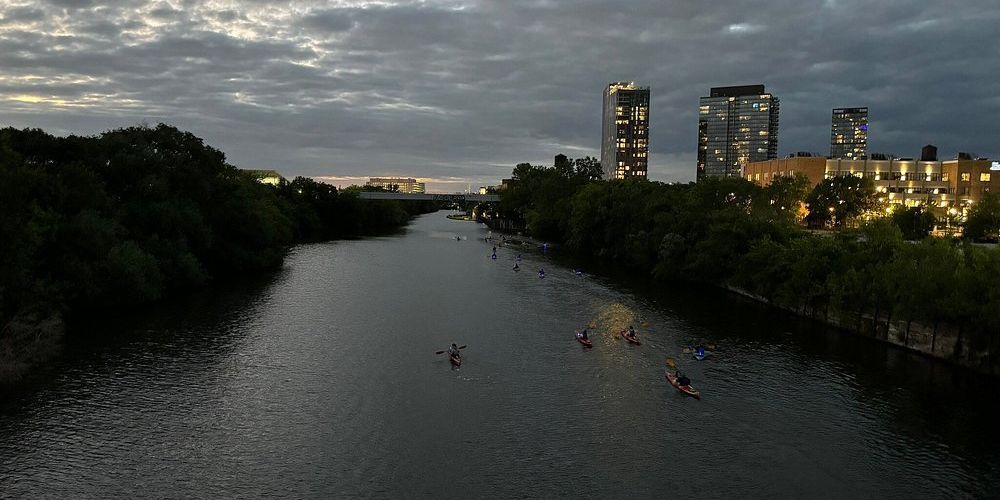
Where Illinois Paddlers Actually Launch
The Kankakee River gives you 25 miles of approved canoe and kayak water, per the IDNR. That's a serious stretch of river with real current in places, which makes it more engaging than a flat pond but still manageable for casual paddlers who've been out a few times. The Kankakee has a long history in Illinois, once serving as a trade and travel corridor for Native peoples and later for European settlers moving through the region.
Lusk Creek in southern Illinois is described as one of the most scenic creeks in the state. It's located just minutes from Eddyville and has easy access for paddlers. The surrounding terrain in that part of Illinois looks and feels different from the north, with rocky bluffs and dense tree cover that make the water feel tucked away from everything.
The Illinois River near Morris has a recorded kayak route heading west toward Sugar Island, a 1.5-mile-long island in the river. Paddlers are advised to stay to the right when approaching the island. It's a calm, scenic stretch, and the island itself gives you a natural landmark to paddle toward, which makes the trip feel purposeful rather than just floating around.
Aux Sable Springs Park offers a canoe and kayak launch at Aux Sable Creek with a small parking lot that fits six vehicles for boaters. It's suitable for fishing or a light paddle, and the limited parking keeps it quieter than bigger access points. Rend Lake at Gun Creek Campground on the eastern shore rounds out the southern options, supporting kayaking alongside other outdoor activities at the lake.
Wildlife and Nature on the Water
Jackson Lagoon near Chicago is one of the better spots in the state for watching birds while you paddle. It's recognized specifically as a birding destination, and being on the water gives you a different vantage point than standing on a trail. You get closer to the edges of the marsh without disturbing the habitat the way foot traffic might.
Wetland paddling environments in Illinois tend to attract the most wildlife activity, especially in early morning when the light is low and flat. Birds, turtles, and the occasional great blue heron are common companions on calmer water. Lusk Creek's remote character and wooded surroundings in southern Illinois make it a natural corridor for wildlife as well.
The Illinois River stretches near Starved Rock and Morris run through a landscape that's been protected and managed for decades. You'll see tree lines, sandbars, and river birds along the banks. Paddling a river rather than a lake means the scenery shifts as you move, and that keeps the experience from feeling static.
Flatwater vs. Moving Water: What to Expect in Illinois
Illinois offers both flatwater and moving water experiences, and the difference matters when you're planning a trip, especially with a beginner or a younger paddler. Flatwater spots like Jackson Lagoon and Aux Sable Creek are calm and controlled. The water is usually still enough to reflect the tree line, and there's no current to manage.
Moving water on the Kankakee River and the Illinois River near Morris adds a different element. Current means you need to pay attention to your direction and your speed, and it also means you cover more ground without working as hard. For paddlers who have been out a few times and want something that feels more like an adventure, a river stretch is the natural next step.
The IDNR's canoe and kayak recreation page lists approved waterways across the state, and it's a practical tool for matching your experience level to the right water. Don't skip it. Knowing what you're getting into before you load the car saves a frustrating afternoon.
Cultural and Historic Connections
The Kankakee River has one of the deeper histories of any waterway in the state. For centuries it served as a travel and trade route for Indigenous peoples throughout the region. French explorers later used the same corridor when moving through the interior of North America in the late 1600s. Paddling that stretch today, you're following a route that has carried people across generations.
Starved Rock itself carries significant historical weight. The area is named for a chapter of Illiniwek history involving conflict and survival on the rock formation above the river. It's a story worth knowing before you paddle the water below it. The Illinois River in that stretch has been a meeting point of cultures, commerce, and conflict for hundreds of years.
Sugar Island near Morris, the 1.5-mile stretch in the Illinois River, sits in a corridor that was heavily traveled during the era of Illinois River commerce in the 19th century. Flatboats and later steamboats moved goods along this river when Illinois was still a young state. The water is quieter now, and that history makes the paddle feel more layered than a simple afternoon outing.
Essential Gear for Illinois

Athmile Women's Barefoot Water Shoes for Kayaking
Gear Tips for Kayaking in Illinois
Illinois paddling spans a wide range of conditions, from shaded creek paddles in southern Illinois to open lake water at Rend Lake and Lake Shelbyville. Your gear choices need to account for that range. A personal flotation device is non-negotiable on any Illinois waterway. Choose one that fits well and that you'll actually wear, not just clip to the back of the boat.
For flatwater paddling and beginner outings, a sit-on-top kayak is forgiving and easy to remount if you tip. Sit-inside kayaks offer more control on moving water like the Kankakee or the Illinois River. If you're renting through a service like Kayak Starved Rock, they'll set you up with appropriate equipment for the route. If you're buying or borrowing, match the boat to the water type you're planning.
Illinois summers are humid and the sun on open water is intense. A lightweight, long-sleeve sun shirt protects your arms without overheating you. Water shoes with a secure strap are better than sandals that can slip off. A dry bag for your phone and keys is a small investment that prevents a very bad afternoon. Layers matter in spring and fall, when the air temperature and the water temperature can be far apart.
List of Services
-
Camping in Illinois Discover Illinois's best camping spots for women and families. Find top sites, gear tips, and when to go. Start planning your trip today.Camping in Illinois
-
Cycling in Illinois Discover Illinois's best cycling trails for women, beginners, and families. Find top routes, gear tips, and when to go. Start planning your ride today.Cycling in Illinois
-
Hiking in Illinois Find the best hiking trails in Illinois for beginners, families, and friends. Real tips, top spots, gear advice. Start planning your trip today.Hiking in Illinois
-
Kayaking in Illinois Discover Illinois's best kayaking spots for women and families. Find top sites, gear tips, and when to go. Start planning your trip today.Kayaking in Illinois