
Paddling Montana: Calm Lakes, Wild Rivers, and Routes Worth the Drive
The North Fork Flathead River Paddle is one of the most talked-about routes in the state for good reason. Canoeing, kayaking, and paddleboarding are all welcome here, and the river corridor runs alongside Glacier National Park, which gives the whole experience a scale that's hard to describe until you're in it. Before you go, check whether a permit is required for your visit dates. AllTrails flags this route as one where permit requirements can shift, so confirm with the managing agency directly before you load up the car.
The Bull River Paddle Route near Noxon covers 9.8 miles as a point-to-point route and is rated moderately challenging. That means it's not a beginner's first outing, but if you've got a season or two of paddling behind you and you're comfortable reading moving water, it belongs on your list. The route is designated specifically for paddle sports on AllTrails, where it has five reviews. Plan your shuttle logistics in advance since it's a point-to-point, not a loop.
Cliff Lake sits inside Beaverhead-Deerlodge National Forest and supports boating and canoeing alongside fishing and swimming. The water is noted as cold even by Montana standards, so a wetsuit or drysuit isn't just a precaution here. Anglers in your group will want to know the lake holds both rainbow trout and Yellowstone cutthroat trout. It's a quieter spot, unhurried, with the kind of stillness that makes you want to linger longer than you planned.
Hauser Lake's White Sandy Campground sits on the lake's west side at the confluence of Prickly Pear Creek and gives you direct access to the water for recreation. The location makes it a practical base if you want to combine camping with paddling over a weekend. It's a good choice for folks who want flatwater access without a long approach.
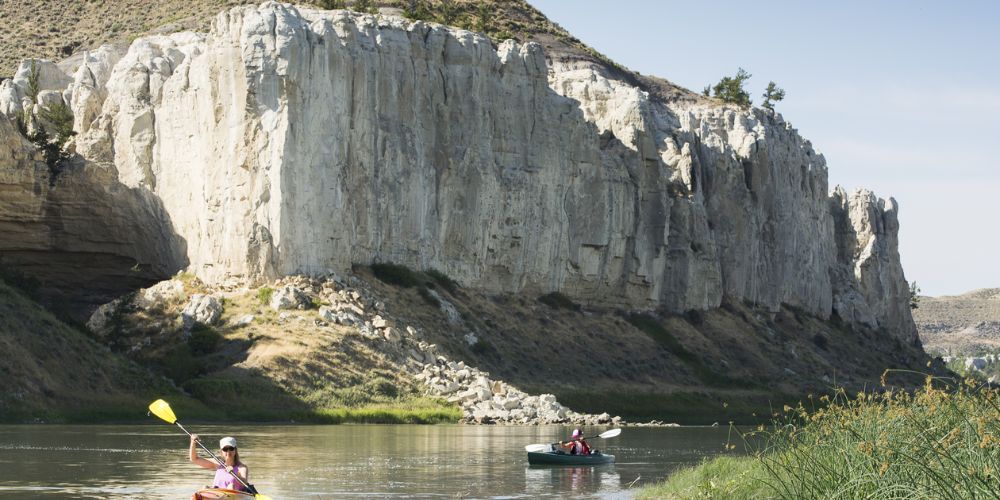
Where to Put In: Four Montana Paddling Spots Worth Knowing
Cliff Lake in Beaverhead-Deerlodge National Forest is one of the better spots in the state if you want to combine paddling with fishing. The lake holds rainbow trout and Yellowstone cutthroat trout, a species with deep roots in the region's water systems long before stocking programs arrived. If you or your daughter has been wanting to try fishing from a kayak, this is a real and accessible place to do it.
The Yellowstone cutthroat is native to the Yellowstone River drainage and has been part of Montana's waterways for thousands of years. Seeing one come up in cold, clear water from a kayak is a different experience than catching fish from a dock or a bank. You're low to the surface, quiet, and close to the water in a way that changes how the whole lake feels around you.
On any Montana paddling route, keep your eyes on the shoreline and the sky. The state's rivers and lakes sit inside some of the most intact wildlife habitat left in the lower 48. What you see on the water will depend on where you go and what time of day you're out, but being quiet and low to the water always works in your favor.
Flatwater vs. Moving Water: What to Expect in Montana
Cliff Lake and Hauser Lake both offer flatwater paddling, which is where most beginners feel most comfortable and most confident. Flatwater means you're not managing current, just wind and your own direction. The water at Cliff Lake runs cold, so even on a calm day, dress for immersion rather than air temperature. That habit will serve you well anywhere in Montana.
The Bull River Paddle Route is moving water rated as moderately challenging, which puts it in a different category than a lake paddle. Point-to-point routes on rivers ask you to think ahead about takeout logistics, water levels, and pacing. If you're newer to paddling, consider going with someone who has river experience before taking on a 9.8-mile route solo.
The North Fork Flathead River falls somewhere in between depending on water levels and time of year. Rivers change. What's calm in late summer can be fast and technical in spring runoff. Check current conditions with local outfitters or the managing agency before you go, especially if you're bringing kids or newer paddlers along.
Gear Tips for Paddling in Montana
Montana's water is cold. That's the first thing to build your gear choices around, not the last. Even in summer, mountain lakes and glacier-fed rivers stay frigid enough to cause cold water shock if you capsize and aren't dressed for it. A wetsuit works for many conditions here. A drysuit is worth considering if you're paddling early season or at elevation.
A well-fitted personal flotation device is non-negotiable on any Montana water. For beginners especially, choose one rated for paddling, not just general boating. It should fit snugly and let you move your arms freely through a full paddle stroke. Try it on before you leave the house, not at the put-in.
For footwear, water shoes or neoprene booties protect your feet during entry and exit on rocky shores, which is common at lake and river access points in Montana. Sun protection matters more at elevation than most folks expect. A hat with a brim, UV-protective sleeves, and reef-safe sunscreen are practical choices, not optional ones. Pack a dry bag for your phone, keys, and any layers you might need mid-paddle.
Essential Gear for Montana

Athmile Women's Barefoot Water Shoes
List of Services
-
Camping in Montana Find Montana's best campgrounds for women, beginners, and families. Real sites, booking tips, and gear advice. Start planning your trip today.Camping in Montana
-
Cycling in Montana Discover Montana's best cycling trails for women and families. Find top routes, gear tips, and when to go. Start planning your ride today.Cycling in Montana
-
Hiking in Montana Discover Montana's best hiking trails for beginners and families. Find top spots, gear tips, and when to go. Start planning your trip today.Hiking in Montana
-
Kayaking in Montana Find Montana's top kayaking spots, gear tips, and wildlife to watch for. Perfect for beginners and families. Start planning your paddle trip today.Kayaking in Montana