
Paddling Pennsylvania: Lakes, Rivers, and the Best Places to Put In
Kayaking in Pennsylvania happens on both lakes and rivers, and the variety is real. The Allegheny Reservoir near Bradford offers a 9.1-mile loop trail rated as easy on AllTrails, making it one of the most approachable paddle routes in the state. The water there tends to stay calm, the kind of calm where you can watch the reflection of the tree line and lose track of time. It's logged 4 reviews on AllTrails, so it's quieter and less crowded than some of the better-known spots.
Raystown Lake at the Seven Points area gives you something different. It's a bigger scene with kayaking, canoeing, and paddleboarding alongside higher-energy water activities like tubing and wakeboarding. If you're coming with a daughter who wants some variety or a group with different energy levels, Raystown has the space for it. Camping is available on site through Recreation.gov, which makes a full weekend easy to put together.
Lackawanna State Park rounds out the lake options as a recognized kayaking destination inside the Pennsylvania state park system. State parks in Pennsylvania tend to have infrastructure that makes first-time paddlers feel comfortable, including access points and facilities. Shenango River Lake at the Shenango Recreation Area also offers kayaking and canoeing, accessible off I-80 via Exit 4B, then north on Route 18. It's a straightforward drive that doesn't require much navigation once you're off the highway.
Hammond Lake at Ives Run Campground in north-central Pennsylvania is another lake worth knowing about. The campground sits on the eastern shore, surrounded by forested ridges, and the lake is calm enough for an easy morning paddle before the day heats up. If you're making a camping trip out of it, Recreation.gov has the booking details for Ives Run.
Where Pennsylvania Paddlers Actually Go
Pennsylvania gives you both ends of the paddling experience, and knowing which one you're signing up for matters before you load the car. Flatwater paddling on lakes like Allegheny Reservoir or Hammond Lake means you're in control of the pace, the direction, and the effort. It's forgiving for beginners and genuinely restorative for anyone who just wants a few hours of quiet.
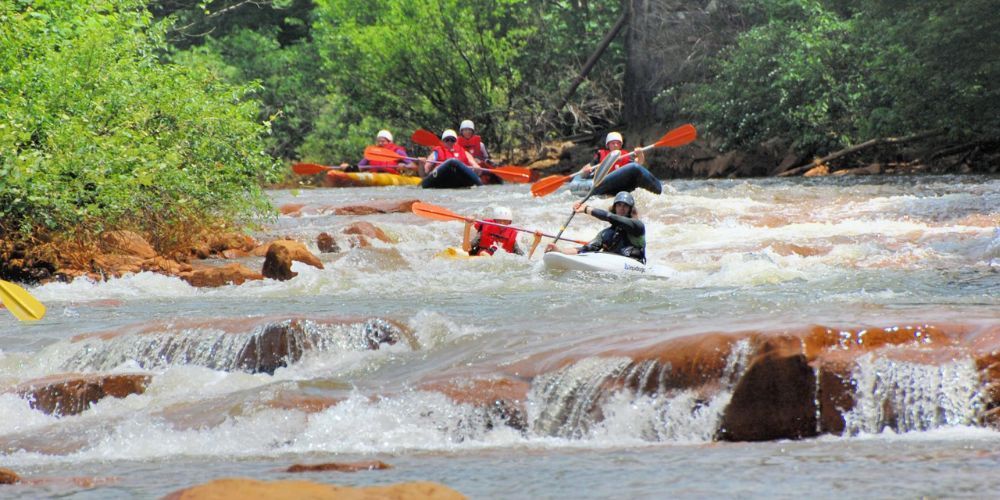
The Clarion River is a different conversation. It allows kayaking, canoeing, and paddleboarding, and moving river water behaves differently than a lake. There's current to read, channels to navigate, and a rhythm to find with the water rather than against it. The Clarion River Canoe Trip trail has 16 reviews on AllTrails, which gives you a decent pool of firsthand experience to read through before you go. Always check whether a permit is required before your visit, since permit requirements can apply on this route.
For those who want to work up to moving water, a guided trip is the smartest first step. Pine Creek Outfitters runs guided kayaking trips in Pennsylvania that include Class I-II rapids, with difficulty varying by water level. Their guides are described as personable and instructional, which matters a lot when you're learning to read a river for the first time. Class I-II is approachable for beginners, but having someone explain the water before you're in it makes the whole experience click faster.
Ohiopyle is the name that comes up when Pennsylvania paddlers talk about white water. Wilderness Voyageurs there offers white water kayak instruction and gear, with guides who know these waterways well. It's not a place to show up unprepared, but it is a place where a beginner with the right instruction can have one of the most memorable days of the year.
Guided Kayaking in Pennsylvania: When It Makes Sense
Going with a guide on your first few paddles isn't a concession. It's actually the faster path to confidence. Pine Creek Outfitters and Wilderness Voyageurs are two of the most established names for guided kayaking in Pennsylvania. Both offer instruction alongside the experience, so you're not just being ferried down a river. You're learning something you can use the next time you go out on your own.
Wilderness Voyageurs at Ohiopyle works specifically with white water kayaking, offering instruction and gear alongside their guided trips. Their guides also lead rafting and actively seek out new rivers, which tends to show in the quality of the experience they deliver. Ohiopyle itself has a history as a gathering place for outdoor recreation in western Pennsylvania, drawing paddlers to the Youghiogheny River for decades.
TripAdvisor lists guided kayaking and canoeing as recognized tourist attractions across Pennsylvania, with user reviews available for multiple outfitters. Reading those reviews before booking gives you a realistic picture of group sizes, what's included, and how experienced other first-timers felt going in. That context is useful when you're deciding between a relaxed lake tour and something with a little more current.
For a trip planned around a daughter or a friend who's never been in a kayak, a guided half-day is often the right call. It takes the logistics off your plate, puts safety in the hands of someone who knows the water, and still leaves room for the organic, unscripted moments that make a day on the water worth remembering.
Gear Tips for Kayaking in Pennsylvania
Pennsylvania's paddling season runs from spring through fall, and the conditions shift enough across those months that what you bring matters. Spring water is cold, even when the air feels warm. A wetsuit or a drysuit top is worth considering for early-season paddles, especially on moving water like the Clarion River where a capsize is more possible than on a still lake. Cold water affects your body faster than most people expect.
For lake paddling in summer, a quality personal flotation device is the non-negotiable starting point. It should fit snugly and stay on without adjustment while you're moving. Beyond that, moisture-wicking layers work better than cotton, which stays wet and gets heavy. Sun protection on the water is more intense than on land, so a hat with a brim and SPF-rated clothing make a noticeable difference by the end of a long paddle.
A dry bag is one of those items that sounds optional until the moment it isn't. Phones, car keys, snacks, and a change of clothes stay dry and stay usable when everything else gets splashed. On a river route like the Clarion or a full-day reservoir loop like the Allegheny, that bag earns its space. Waterproof sandals or water shoes give you grip on slippery launch areas without the soggy sock situation that ruins the drive home.
If you're renting rather than buying, most outfitters in Pennsylvania provide a kayak, paddle, and PFD in the rental. Ask before you book what's included and what you're expected to bring. For those building toward owning their own gear, a sit-on-top kayak is forgiving for beginners and easier to re-enter if you tip. Sit-inside kayaks offer more control on moving water once you've got some experience.
Essential Gear for Pennsylvania

Athmile Women's Barefoot Water Shoes
List of Services
-
Camping in Pennsylvania Find Pennsylvania's best campgrounds for women, beginners, and families. Top sites, gear tips, and planning advice. Start your trip here.Camping in Pennsylvania
-
Cycling in Pennsylvania Discover Pennsylvania's best cycling trails, rail paths, and scenic routes for women and families. Find gear tips and top spots. Start planning your ride.Cycling in Pennsylvania
-
Hiking in Pennsylvania Discover Pennsylvania's best hiking trails for women, beginners, and families. Find top spots, gear tips, and guided options. Start planning your trip today.Hiking in Pennsylvania
-
Kayaking in Pennsylvania Find Pennsylvania's best kayaking spots for women, beginners, and families. Top lakes, rivers, gear tips, and when to go. Start planning your trip today.Kayaking in Pennsylvania