
Camping in Alaska: Where to Go, What to Expect, and How to Make It Yours
Chugach National Forest is one of the most accessible places to start. It has 57 campgrounds available for reservation through Recreation.gov, the federal government's official booking platform covering 14 agencies. That range means you can find a site close to Anchorage or push further into the forest for something quieter. Book early, especially for summer weekends, because these sites fill up.
Alaska State Parks covers more than 3 million acres and contains over 156 park units across the state. That scale is hard to picture. It means you can camp near the road system or choose something more remote, and the system includes both developed campsites and backcountry cabins. Eagle River Campground is one of the well-known spots within the state park system, sitting close to Anchorage with trail access and the kind of mountain scenery that reminds you why you made the drive.
For something different, the Wrangell-St. Elias area draws folks who want to go deeper. St. Elias Alpine Guides runs base camp hiking and kayaking trips out of the Wrangell area, handling transportation and local lodging so you can focus on the experience itself. If full logistics planning feels like too much for a first big Alaska trip, a guided option here is worth considering.
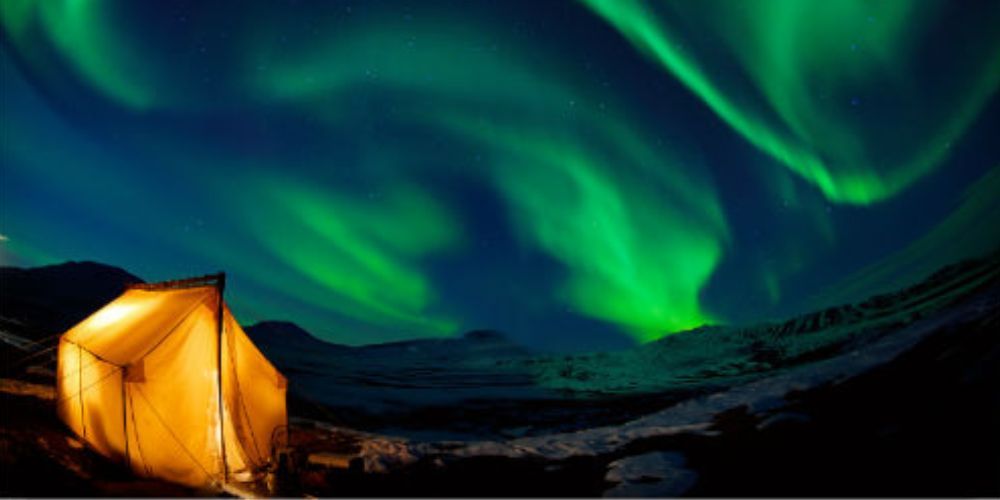
Where Alaska Campers Actually Go
Alaska's camping season runs primarily from late May through early September. Summer days are long, and near the summer solstice in June, daylight can stretch to 20 hours or more in interior Alaska near Fairbanks. That extended light changes the feel of camp life in ways that take some getting used to, but most people come to love it.
July and August bring warmer temperatures and the fullest trail and campground access. These are also the busiest months, so reservations matter. Alaska State Parks operates an online reservation system for remote cabins and campsites, and Chugach National Forest campgrounds book through Recreation.gov. Waiting until June to plan a July trip can mean limited options at the most popular sites.
Shoulder season in late May and early September offers smaller crowds and cooler air. Trails can be muddy in May, and September brings the start of fall color in some areas, which is worth seeing. Weather in Alaska shifts quickly in any season, so building flexibility into your schedule is always a smart move.
Wildlife and the Backcountry Experience
Wildlife is central to the Alaska camping experience, not a background detail. Guided backcountry camping trips across the state consistently highlight wildlife viewing as one of the primary draws, and that reputation holds up. Black bears and brown bears are present throughout much of the state, and knowing how to store food properly and move through bear country is essential preparation before any trip.
For those who want to see wildlife without managing every safety detail themselves, guided backcountry adventures are a real option. Several operators run trips that range from camping to lodge-based retreats, with an emphasis on quiet, views, and animal sightings. These trips are designed for people who want the full Alaska experience with knowledgeable guides who know the terrain and the seasons.
Even front-country campsites give you access to Alaska's wildlife and landscapes in ways that feel immediate. Moose wander through campgrounds near Anchorage more often than you'd expect. Eagles are common near water. The land here hasn't been tamed, and that's exactly the point.
Gear Tips for Alaska Camping
Alaska's weather is the variable that matters most when you're packing. Even in midsummer, temperatures can drop significantly after dark, and rain arrives without much warning in coastal and interior areas alike. A three-season tent with solid waterproofing and good stake-out points for wind is worth the investment here. Bring a sleeping bag rated lower than you think you'll need.
Layering is the strategy that works. A moisture-wicking base layer, a fleece mid-layer, and a waterproof shell give you options as conditions shift through the day. Bring more socks than you think you need, and make them wool. Wet feet on a multi-day trip are miserable in a way that's very easy to avoid.
Bear safety gear is non-negotiable in Alaska. That means bear spray worn on your body and accessible, not packed at the bottom of your bag. It also means a bear canister or proper food hang if you're in the backcountry. Many campgrounds and all guided trips will have their own requirements and guidance. AllTrails is a solid resource for trail-specific reviews and photos from other campers, which can help you understand what actual conditions look like before you arrive.
Essential Gear for Alaska
-
![Sandsuced merino wool knee high ski socks for cold weather outdoor use]()
Sandsuced Merino Wool Knee High Ski Socks, 3 Pairs
Knee-high merino wool socks designed for cold weather, skiing, and snowboarding. Comes in a 3-pair set, a solid value for Alaska winters.Check Today's Price -
![Carhartt soft shell cooler lunchbox for camping and outdoor use]()
Carhartt Soft Shell Camping Cooler Lunchbox, Brown
A rugged soft cooler that works as well on the trail as at the worksite. Great for keeping snacks cold on day trips in Alaska's backcountry.Check Today's Price -
![Waestcia rechargeable heated gloves for winter outdoor and camping use]()
Waestcia Rechargeable Heated Gloves with Touchscreen
Electric heated gloves with a rechargeable battery and touchscreen-compatible fingertips. Waterproof build suits cold Alaska outdoor conditions.See Current Price -
![Yaktrax walk traction cleats stretched over boot for snow and ice walking]()
Yaktrax Walk Traction Cleats for Snow and Ice
Slip these over your shoes for added grip on icy Alaskan paths and trails. A simple, affordable way to stay steadier on slippery winter surfaces.Check Today's Price -
![Anlisim merino wool hiking socks for women in tie-dye pattern for winter hiking]()
Anlisim Merino Wool Hiking Socks for Women, 5 Pairs
Five pairs of warm, cushioned merino wool socks built for cold-weather hiking. A practical pick for layering up on chilly Alaska mornings. Tie-dye style, size M.View on Amazon


List of Services
-
Camping in Alaska Plan your Alaska camping trip with real site details, gear tips, and wildlife info. Find the best spots for women and families. Start planning today.Camping in Alaska
-
Cycling in Alaska Discover Alaska's best cycling trails for women, beginners, and families. Find top routes, gear tips, and local guides. Start planning your ride today.Cycling in Alaska
-
Hiking in Alaska Discover Alaska's top hiking trails for women, beginners, and families. Get real tips on where to go, what to pack, and how to plan. Start your trip today.Hiking in Alaska
-
Kayaking in Alaska Find Alaska's best kayaking spots for women, beginners, and families. Top routes, gear tips, and guided tours. Start planning your paddle trip today.Kayaking in Alaska