
Hiking in Alaska: Where to Go, What to Expect, and How to Make It Happen
Alaska's national parks set the bar for what hiking in this state can be. AllTrails ranks Denali National Park first among Alaska's national parks for hiking, and that reputation holds up. The landscape is vast and genuinely wild, the kind of place where you feel the size of the earth under your boots.
Kenai Fjords National Park comes in second, and it earns that spot. Trails here put you close to glaciers and coastline in a way that feels almost surreal. The air off the water is cold and clean, and the views tend to stop you mid-step.
Wrangell-St. Elias, ranked third, is the largest national park in the United States. Katmai National Park and Preserve ranks fourth and is known for its bear population and volcanic landscape. Glacier Bay rounds out the top five, a place where retreating glaciers have left a raw, newly exposed world that hikers can walk right into.
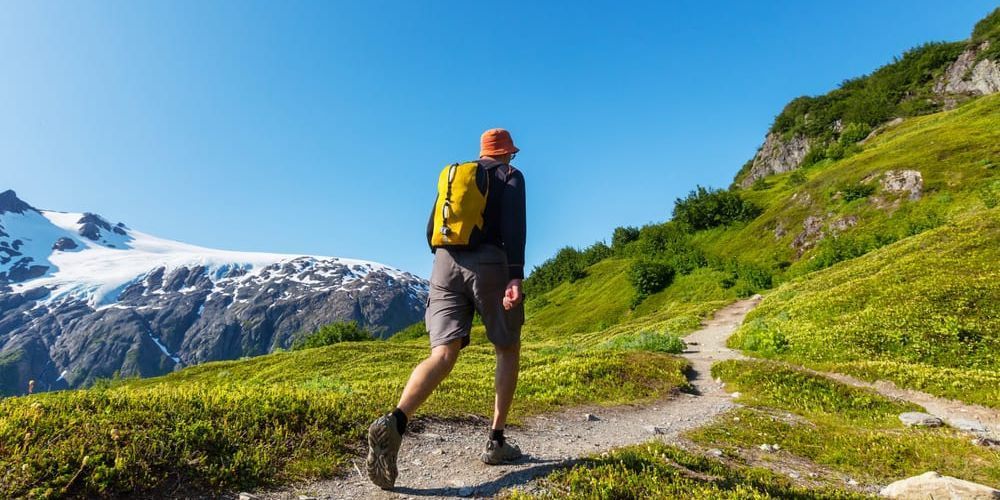
The National Parks Worth Planning Around
Starting out in Alaska doesn't mean you have to tackle something extreme. The Kenai Wilderness offers a 19-mile gravel loop road that connects refuge hiking trails, campgrounds, and a scenic drive before rejoining the Sterling Highway at Milepost 75. It's a forgiving entry point that still puts you in real Alaskan backcountry.
Guided hiking excursions are a smart move if you're newer to the outdoors or just unfamiliar with Alaska's terrain. Go Hike Alaska is an Anchorage-based tour operation offering guided hiking throughout SouthCentral Alaska. They run everything from half-day outings to multi-day trips, which takes the pressure off route-finding and lets you focus on actually being there.
St. Elias Alpine Guides offers guided wilderness experiences with local experts who know this terrain deeply. Booking with a guide your first time in Alaska isn't a shortcut. It's how you learn fast and stay safe while you're doing it.
A Trail for When You're Ready to Push Further
The Pinnell Mountain National Recreation Trail is the kind of hike you put on your list and then train toward. It runs 27 miles and sits approximately 100 miles northeast of Fairbanks. The entire trail traverses alpine ridge tops above treeline, which means unobstructed sky in every direction.
This one is not for first-timers, but it belongs in this guide because it shows you what's possible. Walking that ridgeline, with the tundra stretching out below you and nothing blocking the horizon, is the kind of experience that reframes what you think hiking can be. Plan it for a future trip and let it motivate you in the meantime.
Cultural and Historic Connections
Klondike Gold Rush National Historical Park preserves the history and culture of the Gold Rush era, and it does it in a way that feels alive rather than dusty. The park in Alaska connects to a moment in North American history that drew hundreds of thousands of people north in search of gold starting in 1896. You can feel the weight of that story on the trails.
Certain activities at Klondike Gold Rush require permits, bookable through Recreation.gov. Check ahead of your visit so you're not caught off guard. Camping and specific hiking routes may require advance reservation, especially during peak summer months.
Walking this landscape with that history in mind changes the experience. You're not just hiking. You're moving through a place where people made desperate, courageous, sometimes foolish choices in pursuit of something better. That context gives the trail a different kind of depth.
Gear Tips for Alaska
Alaska's weather is the first thing to plan around, not the last. Temperatures can shift fast, even in summer, and trails above treeline offer no shelter from wind or rain. Layering is not optional here. A moisture-wicking base layer, a warm mid-layer, and a waterproof shell should be the foundation of what you pack.
Your footwear matters more in Alaska than in most states. Trails can be muddy, rocky, rooted, and wet within the same mile. A sturdy waterproof hiking boot with ankle support will carry you through conditions that would wreck a trail runner. Break them in before you go.
Trekking poles earn their weight on uneven alpine terrain, especially on descents. A quality daypack with a hip belt distributes weight better on longer stretches. And because Alaska is bear country, bear spray should travel with you on every trail outside of developed areas. Carry it where you can reach it fast, not buried at the bottom of your bag.
Essential Gear for Alaska
-
![Anlisim merino wool hiking socks in tie-dye pattern for women's winter outdoor use]()
Anlisim Merino Wool Hiking Socks for Women, 5 Pairs
Five pairs of warm, cushioned merino wool socks built for cold-weather hikes. A practical pick for staying comfortable on chilly Alaska outings.See Current Price -
![Yaktrax Diamond Grip traction cleats in black for walking on ice and snow]()
Yaktrax Diamond Grip All-Surface Traction Cleats
A step up from basic ice cleats, designed for varied surfaces. Good for Alaska hikers who want more confidence on mixed snow and ice terrain.View on Amazon -
![Yaktrax Walk Traction Cleats stretched over a shoe for snow and ice walking]()
Yaktrax Walk Traction Cleats for Snow and Ice
Slip these over your shoes for extra grip on icy Alaska trails and sidewalks. A simple, affordable option for beginners tackling snowy conditions.Check Today's Price


List of Services
-
Camping in Alaska Plan your Alaska camping trip with real site details, gear tips, and wildlife info. Find the best spots for women and families. Start planning today.Camping in Alaska
-
Cycling in Alaska Discover Alaska's best cycling trails for women, beginners, and families. Find top routes, gear tips, and local guides. Start planning your ride today.Cycling in Alaska
-
Hiking in Alaska Discover Alaska's top hiking trails for women, beginners, and families. Get real tips on where to go, what to pack, and how to plan. Start your trip today.Hiking in Alaska
-
Kayaking in Alaska Find Alaska's best kayaking spots for women, beginners, and families. Top routes, gear tips, and guided tours. Start planning your paddle trip today.Kayaking in Alaska