
Paddling Alaska: Where to Go, What to Know, and Why You'll Keep Coming Back
The Rabbit Slough Paddle near Palmer is one of the most accessible routes in the state for folks who are newer to kayaking. It's a 3.3-mile out-and-back, listed as moderately challenging on AllTrails, and it has 43 user reviews to help you get a real sense of conditions before you arrive. Palmer sits in the Matanuska-Susitna Valley, which means the surrounding landscape is wide and open, framed by distant peaks. This is a good one to start with if you're building confidence on the water.
The Icy Strait Point Paddle Route offers something different. It follows the shoreline from the Icy Strait Point Kayak Center into the small town of Hoonah and back, giving you both open water paddling and a destination with some life to it. The Kayak Center serves as the organized launch point, so you're not hunting for a put-in or guessing about logistics. Hoonah is a Tlingit community with a long and layered history, and arriving by kayak gives you a quieter, slower look at it than most visitors get.
For experienced paddlers looking for something more remote, the Birch Creek Wild and Scenic River is designated under the National Wild and Scenic Rivers System and listed on Recreation.gov for kayak, canoe, and raft use. The designation itself tells you something: this is a river worth protecting, and worth paddling. It's suited for those with real experience on moving water, not a beginner route, but worth knowing about if you're ready for that level.
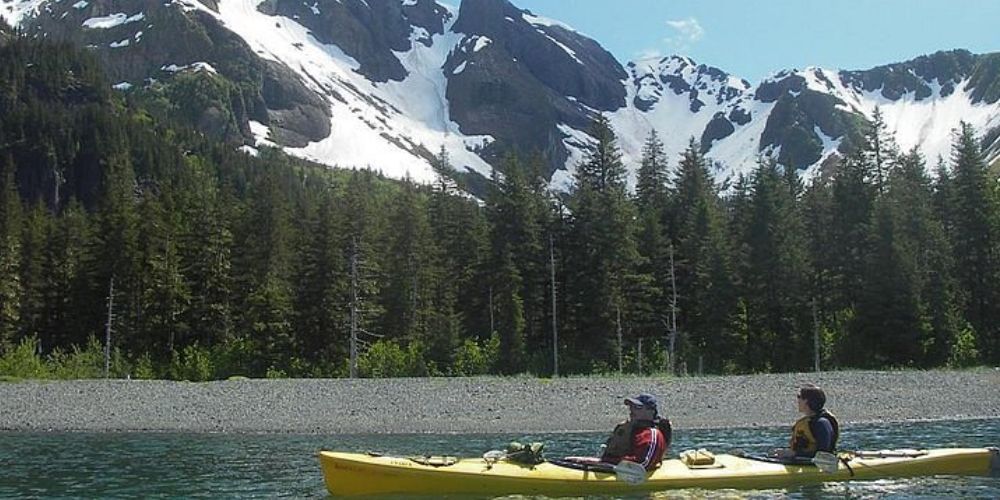
Where Alaska Paddlers Actually Put In
The Paulson Bay Cabin in Chugach National Forest is the kind of place that makes you understand why people plan trips a year in advance. It's open year-round, described as a base for sea kayaking, fishing, shrimping, and sightseeing, and it can only be reached by float plane or boat. That access requirement is part of the point. You're not driving in. You're committing to the remoteness, and the payoff is a stretch of coastline that feels entirely your own.
Cabin reservations for Paulson Bay are made through Recreation.gov, so check availability early, especially for summer. The cabin's year-round access means shoulder season trips in early spring or fall are genuinely possible if you're flexible on timing. Fewer people, calmer energy, and the water can be just as clear.
Spencer Bench Cabin, also in Chugach National Forest and also bookable through Recreation.gov, lists kayaking and rafting among the nearby activities. The area also offers rock climbing and skiing, which makes it a useful base if you're traveling with someone who wants different options on different days. It's practical flexibility built into one location.
Guided Tours for Your First Big Alaska Paddle
If the idea of planning a remote Alaska kayak trip feels like too many moving parts, a guided tour is the honest answer. Alaska Mountain Guides has been operating sea kayaking expeditions in northern Southeast Alaska for over 25 years. That kind of history matters. It means they've seen conditions across decades, know the water, and have built the kind of experience that translates into safer, richer trips for the people they take out.
SEAK Expeditions, based in Haines, runs multi-day kayak tours through Southeast Alaska led by local guides. Tours run from three to seven days. Haines sits where the Lynn Canal meets the Chilkat River valley, and the guiding culture there is deeply rooted in the land. When a local takes you out on that water, the trip becomes more than paddling. You learn something about the place.
Kayak Adventures Worldwide operates out of Seward and offers sea kayaking tours in small, purposeful groups. Seward sits at the edge of Kenai Fjords National Park, which means the surrounding water and landscape are genuinely extraordinary. Small groups matter on water like that. You're not moving in a convoy. You're actually experiencing it.
The Cultural Current Running Through Southeast Alaska's Waters
The Tlingit people have traveled these waters for thousands of years. The coastline of Southeast Alaska, the islands, inlets, and passages that modern sea kayakers now paddle, were the highways of an entire civilization. When you put in at Icy Strait Point and paddle toward Hoonah, you're covering water that has carried Tlingit canoes, trading routes, and family connections for longer than most cultures have written records. That context doesn't make the paddle heavier. It makes it more interesting.
Hoonah itself is the largest Tlingit village in Alaska. The town has a cannery history, a working waterfront, and a community that has maintained its cultural identity through significant outside pressure over more than a century. Arriving by kayak rather than cruise ship gives you a different entry point into that story. Slower, quieter, more respectful of the scale of things.
The guiding culture in Southeast Alaska reflects some of this too. Outfitters like SEAK Expeditions and Alaska Mountain Guides have deep roots in the region. They're not just logistics providers. They carry local knowledge that connects the water you're paddling to the land it belongs to.
Gear Tips for Paddling Alaska's Varied Water
Alaska's water is cold. Even in summer, ocean and river temperatures in many parts of the state stay low enough to make immersion a serious concern. A drysuit or a quality wetsuit is not optional for sea kayaking in Southeast Alaska or anywhere along the coast. If you're booking a guided tour, your outfitter will likely provide or require specific gear. Ask before you assume.
Layering is the strategy that works here. Conditions can shift from sun to rain to wind within a single outing, and paddling generates body heat that disappears fast when you stop moving. A moisture-wicking base layer, an insulating mid-layer, and a waterproof shell give you flexibility without bulk. Bring more than you think you'll need and leave what you don't use in a dry bag on shore.
For flatwater routes like Rabbit Slough, a recreational kayak works well. For coastal and sea kayaking, a sea kayak with a longer hull and a lower center of gravity handles chop and crosswind better and gives you more control over longer distances. Good paddle gloves and a sun hat matter more than most first-timers expect. The reflection off the water is significant, and your hands will be exposed for hours at a time.
Essential Gear for Alaska
-
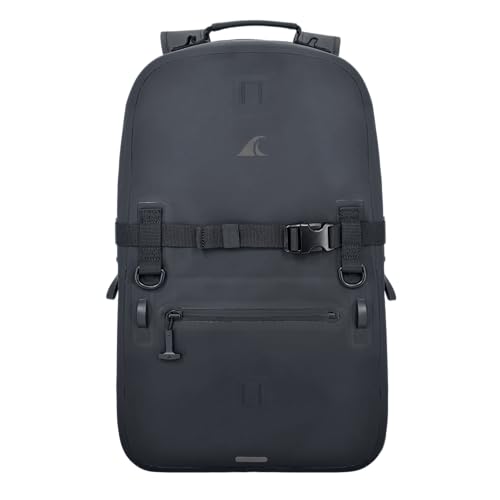
![Breakwater Supply Fogland waterproof submersible backpack in stealth black for kayaking]()
Breakwater Supply Fogland Waterproof Backpack 25L
A submersible, IP68-rated backpack with airtight zippers and a laptop sleeve. Keeps gear dry in wet Alaska conditions. Available in 25L, made from TPU.See Current Price -
![Athmile barefoot water shoes quick-dry design for kayaking and beach use]()
Athmile Barefoot Water Shoes for Women
Lightweight water shoes that work well for kayak launches and wet docks. Wide toe box keeps feet comfortable. Good pick for Alaska's rocky shorelines.Check Today's Price

List of Services
-
Camping in Alaska Plan your Alaska camping trip with real site details, gear tips, and wildlife info. Find the best spots for women and families. Start planning today.Camping in Alaska
-
Cycling in Alaska Discover Alaska's best cycling trails for women, beginners, and families. Find top routes, gear tips, and local guides. Start planning your ride today.Cycling in Alaska
-
Hiking in Alaska Discover Alaska's top hiking trails for women, beginners, and families. Get real tips on where to go, what to pack, and how to plan. Start your trip today.Hiking in Alaska
-
Kayaking in Alaska Find Alaska's best kayaking spots for women, beginners, and families. Top routes, gear tips, and guided tours. Start planning your paddle trip today.Kayaking in Alaska