
Oregon Camping: Real Sites, Real Advice, and Where to Go First
Beverly Beach State Park, on the central Oregon coast, is the most-reviewed campground in the state on The Dyrt. That kind of community attention isn't random. It sits right on the Pacific, close enough that you can hear the surf from your site, and it consistently ranks among the top Oregon state parks for camping and sightseeing. It's a good first Oregon campground because it delivers a lot without requiring much planning knowledge.
If you're near Portland and want something quick and doable, Oxbow Regional Park and Milo McIver State Park are both solid options. They're close to the city, which matters when you're testing out a new tent or taking kids camping for the first time. Timothy Lake is another one near Portland, with a range of site types that make it flexible depending on your setup.
For something different, Cove Palisades State Park sits in the high desert region of central Oregon. It includes the Crooked River Day-use Area, and your camping receipt doubles as your day-use parking permit, which is a nice detail to know before you arrive. The landscape out there feels almost cinematic, layered canyon walls rising above reservoir water.
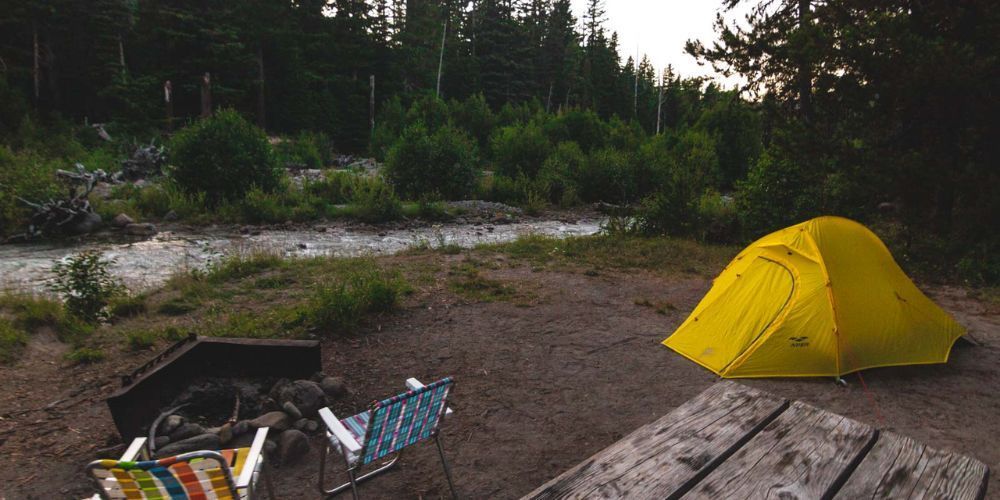
Where Oregon Campers Actually Go
Tillicum Campground in Siuslaw National Forest is the kind of place people come back to every summer. Most of the sites have beachfront views, and the most popular activities are fishing, swimming, and playing in the sand. The sunsets here are genuinely not to be missed. Go in the evening with nowhere to be, and you'll understand why people keep making the drive.
Paradise Campground in Willamette National Forest sits inside old-growth Douglas fir and western red cedar. The environment reads as sub-alpine even though you're in a forest, and the scale of the trees makes the campground feel tucked away in the best sense. It's quieter than the coast-side parks, more for folks who want to sit in the woods and breathe for a few days.
The Oregon Dunes National Recreation Area offers 14 camping trails, with an average 4.3-star rating from the AllTrails community. The dunes themselves are a landscape that doesn't feel like the rest of Oregon. Sand, wind, and a sense of open space that pulls you out of any mental rut. For a backcountry-style camping experience, Mount Washington Wilderness is worth knowing about. The Patjens Lakes Loop Trail is the top-rated camping trail there, holding a 4.5-star rating on AllTrails.
How to Actually Get a Campsite in Oregon
Oregon's most popular campgrounds fill up fast. Recreation.gov lists over 1,100 camping options in Oregon, all bookable online, so the inventory is genuinely large even when your first choice is taken. Knowing where to look matters more than most people realize.
Same-day reservations are available at Oregon state parks, including for sites that were cancelled that day. If your original plan falls through or you're flexible with timing, checking online the morning you want to leave can turn up real availability. Some Oregon campgrounds also hold first-come, first-served sites that never require advance booking, which is worth knowing if you prefer spontaneity or if reservations are sold out.
AllTrails is useful not just for trails but for camping-specific trail maps, driving directions, and reviews with photos from other campers. It's a practical planning tool, especially if you're combining hiking with an overnight stay.
Gear Tips for Oregon Camping
Oregon's weather is the main thing to plan around. The coast is cool and often foggy, even in summer. The high desert gets warm during the day and genuinely cold at night. The forest campgrounds in the Cascades can bring rain without much warning. Layering isn't optional here; it's the whole strategy.
A waterproof rainfly that actually performs is non-negotiable for coastal or forest camping. Even on a clear forecast, Oregon coastal mornings are wet. A rain jacket you can stuff into a daypack is worth having at every site in the state. For desert camping at Cove Palisades or the dunes, sunscreen and a wide-brim hat matter more than people expect.
For sleeping, Oregon nights at elevation or in the forest run cooler than the daytime temperature suggests. A sleeping bag rated a few degrees lower than you think you need is a reliable call. If you're camping with a daughter who runs cold, doubling up with a liner adds warmth without buying a whole new bag.
Essential Gear for Oregon
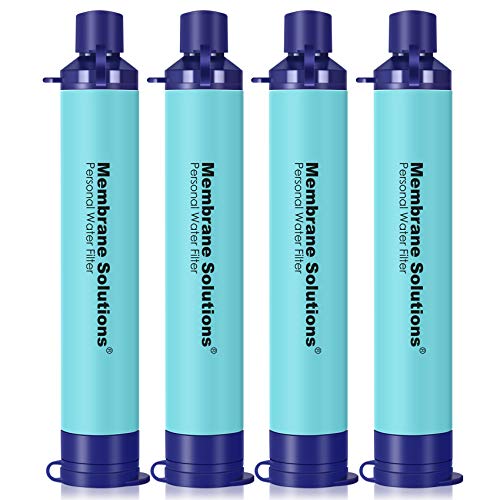
Membrane Solutions Water Filter Straw, 4-Pack

Carhartt Soft-Shell Camping Cooler Lunch Bag
List of Services
-
Camping in Oregon Find Oregon's best campgrounds for women, beginners, and families. Top spots, gear tips, and planning advice. Start your Oregon camping trip today.Camping in Oregon
-
Cycling in Oregon Discover Oregon's best cycling routes for women, beginners, and families. Find top trails, gear tips, and when to go. Start planning your ride today.Cycling in Oregon
-
Hiking in Oregon Find Oregon's best hiking trails for beginners, families, and solo adventurers. Get real tips on when to go and what to bring. Start planning your trip today.Hiking in Oregon
-
Kayaking in Oregon Discover Oregon's best kayaking spots for women and beginners. Real locations, gear tips, and when to go. Start planning your paddle trip today.Kayaking in Oregon