
Oregon's Best Hiking Trails: Where to Start, What to Expect, and Why You'll Want to Go Back
The Trail of Ten Falls is one of those hikes that earns every bit of its reputation. It loops through Silver Falls State Park and passes ten separate waterfalls, some of which you walk directly behind. It's listed as one of Oregon's top winter hiking trails, which tells you something about how accessible it is even in the colder months. The trail is forgiving enough for beginners while still feeling like a real adventure.
Angel's Rest in the Columbia River Gorge is another strong choice for women just getting started. It's a steady climb, but the payoff at the top is a wide-open view of the gorge that makes the effort feel well-earned. The Latourell Falls Loop is shorter and flatter, a good option if you want to ease in or if you're hiking with younger kids. Both trails are listed among Oregon's popular winter hikes, so they hold up outside of peak season.
The Wahkeena and Multnomah Falls Loop connects two of the gorge's most iconic waterfalls in a single outing. Multnomah Falls alone draws significant crowds, and for good reason. Note that visiting Multnomah Falls requires a timed-use permit during busy periods. A limited number of free permits are available on a first-come, first-served basis at the Gateway to the Gorge Visitor Center in Troutdale.
The Mirror Lake Loop is worth a mention for anyone who wants to see still, reflective water framed by Oregon forest. It appears on AllTrails' list of popular winter hikes, meaning the trail is generally manageable even when the rest of the state is buried under snow. That kind of year-round access is one of the things that makes Oregon hiking so appealing.
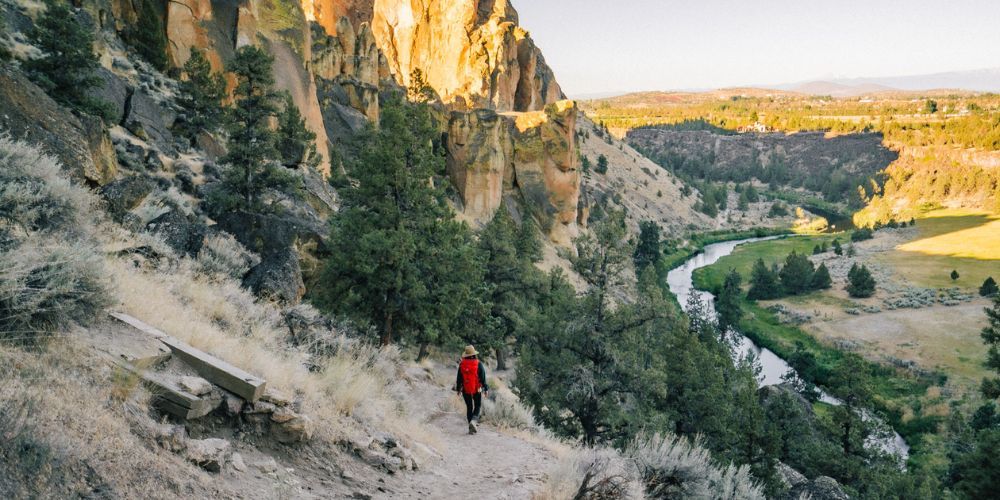
Trails Worth Starting With in Oregon
Oregon is genuinely a year-round hiking state, which surprises people who assume the rain makes it off-limits in winter. Several of the gorge trails, including Angel's Rest, Latourell Falls Loop, and the Wahkeena and Multnomah Falls Loop, are listed specifically as good winter options. The waterfalls actually run fuller in the wet season. Trails are quieter, and the forest takes on a different kind of beauty when everything is green and damp.
Summer opens up higher elevation routes, but it also brings the biggest crowds to popular spots like Multnomah Falls. If you're planning a summer visit, grab your timed-use permit early and consider hitting the trail in the morning before the day heats up. The Pacific Crest Trail runs through Oregon and is open year-round, though snow can make portions of it impassable depending on the season. Check current conditions before you go.
Spring and fall are the sweet spots for a lot of Oregon hikers. Temperatures are mild, wildflowers appear on lower elevation trails in spring, and fall brings a quieter version of summer's best trails. If you're introducing someone new to hiking, a clear October morning on a gorge trail is a hard experience to beat.
Terrain and Difficulty: What Oregon Trails Actually Feel Like
Oregon's trail network covers a wide range of terrain, and that's one of its strengths. The Columbia River Gorge trails tend to be forested and moderate, with some elevation gain but nothing that requires technical experience. The Blue Ridge Trail System offers ten miles of trails rated from Easiest to More Difficult, which makes it a practical option for hikers who want to build confidence gradually. Non-motorized users don't require a permit there, though motorcycles using the trails do need an Oregon all-terrain vehicle permit.
Coastal trails like the hike at Cape Arago and the Cannon Beach hike listed through Oregon State Parks are generally more relaxed in terms of elevation. The coastal environment brings its own considerations, primarily wind and changing weather, but the terrain itself is accessible. Camp Benson Falls and the Caddywhomper Viewpoint are also listed as Oregon State Park destinations, giving you options across different parts of the state.
For hikers drawn to a longer challenge, the Pacific Crest Trail passes through Oregon and is open to hiking and stock use only. No motorized use is permitted on the PCT. It's a trail that rewards experience and preparation, and the Oregon stretch is widely considered one of the most scenic portions of the entire 2,650-mile route. Even a short day section of the PCT gives you a feel for what the landscape out here is capable of.
Permits and Planning Details You Actually Need
Multnomah Falls is the one permit situation you need to plan around if you're visiting the Columbia River Gorge. A timed-use permit is required during high-traffic periods. The permits are free and available on a first-come, first-served basis from the Gateway to the Gorge Visitor Center in Troutdale, Oregon. Get there early, especially on weekends, because they go fast.
The Blue Ridge Trail System is open to all non-motorized users without a permit requirement. If you're arriving with motorcycles in your group, those riders will need an Oregon all-terrain vehicle permit. For hikers, it's a straightforward destination with a ten-mile trail network and no paperwork to sort out ahead of time.
For the Pacific Crest Trail, no permit is required for day hiking in most sections, but regulations can vary by the specific land management area you're passing through. The trail is year-round in theory, but snow conditions can close sections without formal notice. Oregon Wild and Oregon Hikers both maintain current trail condition information online, and it's worth checking either resource before a longer outing.
Cultural and Historic Connections Along Oregon's Trails
The Oregon Hikers Field Guide is itself a piece of Oregon's outdoor culture. It's a community resource, written and maintained by members of the Oregon Hikers forum, covering trails across Oregon and into southern Washington. It started as a way for hikers to share local knowledge with each other, and it's grown into one of the most thorough hiking references in the Pacific Northwest. That kind of grassroots, people-helping-people approach says something about how seriously Oregon takes its trails.
The Columbia River Gorge, where several of the most popular hikes are concentrated, has been a travel corridor and gathering place for Indigenous peoples for thousands of years. The land you're walking through carries that history. Many of the waterfall sites in the gorge have been in use as gathering and travel points long before they appeared on any trail map.
The Pacific Crest Trail, which runs through Oregon, was formally completed in 1993 though portions of it had been in use by hikers for decades before that. The Oregon stretch is known for its volcanic landscape and old-growth forest sections. Walking even a short piece of it connects you to a long tradition of people moving through this particular part of the West on foot.
Essential Gear for Oregon
Gear Tips for Hiking in Oregon
Oregon's weather is the first thing to prepare for. Even on a sunny morning, conditions in the gorge or on coastal trails can shift quickly. A waterproof layer you can stuff into your pack without thinking about it is the single most useful thing you can bring. Oregon rain is rarely dramatic, but it's persistent, and being caught in it without a shell makes any trail less enjoyable than it should be.
Footwear matters more here than in drier states. Trails in the gorge and around waterfall areas can be slick, especially in winter and spring. A trail shoe with real grip will serve you much better than a casual sneaker, even on moderate hikes. If you're planning to hike in winter, waterproof boots will keep your feet dry across wet sections and muddy patches that show up even on well-maintained trails.
Trekking poles are worth considering if you're newer to hiking or if you're on trails with significant elevation gain. Angel's Rest, for example, has a steady enough climb that poles take some of the strain off your knees on the descent. Layering is the approach that works best in Oregon: start with a moisture-wicking base, add a mid-layer for warmth, and keep that waterproof shell accessible. Pack more water than you think you'll need, especially on longer outings in summer when the shade doesn't always compensate for the heat.
List of Services
-
Camping in Oregon Find Oregon's best campgrounds for women, beginners, and families. Top spots, gear tips, and planning advice. Start your Oregon camping trip today.Camping in Oregon
-
Cycling in Oregon Discover Oregon's best cycling routes for women, beginners, and families. Find top trails, gear tips, and when to go. Start planning your ride today.Cycling in Oregon
-
Hiking in Oregon Find Oregon's best hiking trails for beginners, families, and solo adventurers. Get real tips on when to go and what to bring. Start planning your trip today.Hiking in Oregon
-
Kayaking in Oregon Discover Oregon's best kayaking spots for women and beginners. Real locations, gear tips, and when to go. Start planning your paddle trip today.Kayaking in Oregon