
Riding Oregon: Coastal Routes, Rail Trails, and Scenic Bikeways Worth Every Pedal Stroke
Oregon gives you options that don't all look the same. You can follow a 370-mile coastal route along the Pacific, roll through farmland on a designated Scenic Bikeway, cruise a paved rail trail, or push into forest single-track if that's your speed. The variety is real, and it means you can match the ride to your energy and your group.
The Oregon Coast Bike Route runs 370 miles border to border along the coast and is consistently described as one of the most spectacular stretches of road in the country. It's a classic for a reason. You don't have to ride the whole thing. Plenty of folks pick a section, spend a long weekend on it, and come home satisfied.
The Row River Trail is a 14-mile paved route that follows the old Oregon Pacific and Eastern Railroad grade. It's a National Recreation Trail, it's flat and manageable, and it's genuinely pretty along the water. For beginners or anyone riding with kids, it's a strong choice. You get the feeling of covering real ground without any punishing climbs.
For mountain bikers, the North Umpqua Trail runs 79 miles through the North Umpqua Wild and Scenic River area. It handles both long-distance hiking and mountain bike excursions, so the terrain shifts as you go deeper into the route. It rewards patience and a solid fitness base.
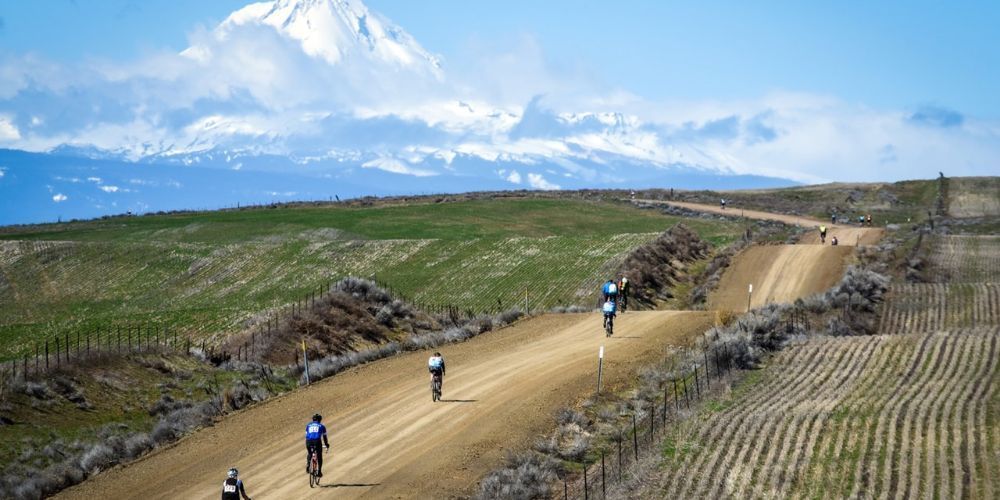
Where Oregon Cyclists Actually Ride
Oregon's Scenic Bikeway program is not just a list of pretty roads. It was developed in coordination with communities across the state, with Oregon State Parks employing a dedicated cycling expert to guide the process. The routes are designed to connect riders to state history, local towns, and the landscapes that make each region distinct. That's a meaningful difference from a generic road loop.
The Tualatin Valley Scenic Bikeway was built with input from 11 communities. It moves through working farmland and small towns, and the route carries a sense of place that you feel in the signage, the local stops, and the land itself. It's the kind of ride where you want to slow down and look around.
The cultural intention behind the Scenic Bikeways program makes these routes feel different from a standard trail. Oregon built them to tell a story. When you ride them, you're not just exercising. You're passing through something that has a past, and locals who still live it.
The Rail Trail That Connects You to Railroad History
The Row River Trail follows the exact route of the Oregon Pacific and Eastern Railroad, a line that no longer runs but left its grade behind. That 14-mile paved path is one of the more satisfying rides in the state for anyone who likes knowing the ground beneath them has a story. The railroad history is part of what you're riding through, not just a footnote.
It's a multi-use National Recreation Trail, which means you'll share it with walkers and runners, but there's room and the pace is generally relaxed. The trail runs along scenic shoreline and the surface is smooth. It's one of the more accessible rides in Oregon for newer cyclists or for a day when you want the experience without the effort.
If you're planning a trip with a daughter or a friend who doesn't ride often, this is a trail that tends to convert people. It's approachable, it's flat, and the scenery keeps the conversation going.
Terrain: What to Expect Before You Go
Oregon's cycling terrain covers a wide range, and knowing what you're getting into makes the whole trip better. The coast route follows Highway 101 with ocean views on one side and forested hillsides on the other. It has rolling climbs and stretches of flat, wind-exposed road. The wind is real on the coast. Plan for it.
Paved rail trails like the Row River Trail are beginner-friendly, with gentle grades and smooth surfaces. The Tualatin Valley Scenic Bikeway moves through flat to gently rolling farmland. Neither will punish you. Both reward a comfortable pace.
The North Umpqua Trail is a different conversation entirely. At 79 miles through wild and scenic river terrain, it's built for riders who are comfortable with distance and variable conditions. The Carpenter Bypass Trail System near Lorane, managed by the Bureau of Land Management, adds another layer of off-road options for those looking to get into the forest.
Gravel riding on the Oregon Coast has its own following. Dirty Freehub has published a dedicated paper guide for coast gravel routes, which tells you something about how seriously that community takes the terrain. If gravel is your thing, the resources are there.
Guided Tours: When Having Local Knowledge Changes Everything
If you're new to cycling in Oregon or want to explore without the logistical pressure of planning every mile yourself, guided tours are worth serious consideration. Oregon has guided cycling tour operators who provide expert local guides, dedicated support vehicles, and GPS navigation. That combination removes a lot of the friction that can make a first big ride feel overwhelming.
A guided experience is particularly useful if you're riding with a mixed group, some confident on a bike and some less so. The guide handles pacing decisions and route questions. The support vehicle means a mechanical issue doesn't end anyone's day early. You get to focus on what's in front of you.
For women traveling solo or with friends rather than partners, a guided tour also provides a built-in community for the duration of the trip. That social layer turns a ride into something more like an event, and Oregon's routes give guides a lot to work with.
Essential Gear for Oregon
Gear Tips for Riding in Oregon
Oregon's weather is the first thing to pack around. The coast is famously unpredictable, with sun and fog and light rain sometimes sharing the same afternoon. A packable, water-resistant jacket is not optional on a coastal ride. It takes up almost no space and saves the day more often than you'd expect.
Padded cycling shorts make a genuine difference over any distance. If you're new to longer rides, this is the one gear investment that will change your experience most noticeably. You don't have to spend a lot. You just need them. A well-fitted helmet is non-negotiable on any Oregon trail, paved or dirt.
For paved routes like the Row River Trail or the Tualatin Valley Scenic Bikeway, a hybrid or comfort bike handles the surface well. You don't need a road bike, but you'll want something with reliable gearing and brakes. The North Umpqua Trail and gravel coast routes call for a proper mountain or gravel bike with wider tires.
Bring more water than you think you need, especially on warmer inland routes. A handlebar bag or small frame bag keeps snacks and a phone accessible without stopping. If you're downloading trail maps, AllTrails has hand-curated maps and detailed reviews for at least 10 road biking and 10 bike touring routes across Oregon. Pull those before you leave home.
List of Services
-
Camping in Oregon Find Oregon's best campgrounds for women, beginners, and families. Top spots, gear tips, and planning advice. Start your Oregon camping trip today.Camping in Oregon
-
Cycling in Oregon Discover Oregon's best cycling routes for women, beginners, and families. Find top trails, gear tips, and when to go. Start planning your ride today.Cycling in Oregon
-
Hiking in Oregon Find Oregon's best hiking trails for beginners, families, and solo adventurers. Get real tips on when to go and what to bring. Start planning your trip today.Hiking in Oregon
-
Kayaking in Oregon Discover Oregon's best kayaking spots for women and beginners. Real locations, gear tips, and when to go. Start planning your paddle trip today.Kayaking in Oregon