
Camping in Utah: Where to Go, What to Bring, and Why You'll Keep Coming Back
Devils Garden Campground inside Arches National Park sits at about 5,200 feet and deep within the park, which means you wake up surrounded by red rock formations before the day-trippers arrive. It books out fast, sometimes months in advance, so check Recreation.gov as early as possible. The elevation keeps summer temperatures manageable compared to the desert floor, and the night skies here are extraordinary. This is one of those sites where the setting does everything.
Yuba State Park offers something different. The Yuba Reservoir has sandy beaches and warm water, and the park has both developed and primitive camping at two areas, Oasis and Painted Rock. It's one of the more approachable options in the state for a first camping trip, especially if you want a site with beach access and a place to swim. The water on a calm morning can look completely still, like the sky dropped into the reservoir.
Spruces Campground in Big Cottonwood Canyon is part of the Uinta-Wasatch-Cache National Forest, and it's the kind of place locals know about. It has single-family, double-family, and group overnight sites, plus day-use picnic spots, which makes it flexible for different group sizes. The canyon is green and shaded and cooler than the valley below, even in July. If you're based near Salt Lake City and want a real outdoor night without a long drive, this one delivers.
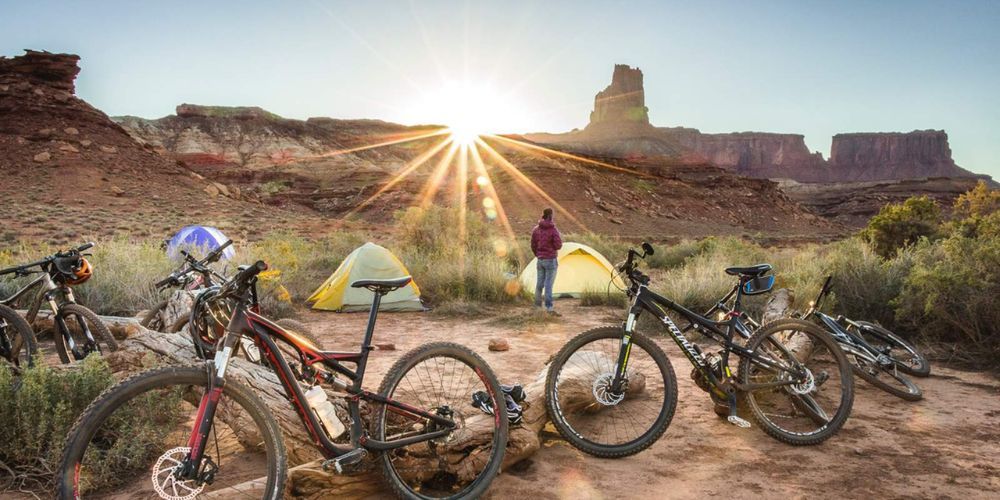
Moab rounds out the list for anyone drawn to red rock trail running, biking, or hiking alongside their camping. It's a well-known destination, but that popularity exists for good reason. The trail access from most Moab campgrounds is immediate, and the landscape is unlike anywhere else in the country.
Where Utah Campers Actually Go
Yuba State Park is the standout for water-side camping in Utah. The Yuba Reservoir is one of the warmer bodies of water in the state, which makes it genuinely swimmable in summer. The Oasis and Painted Rock camping areas both sit along the reservoir, and the sandy beaches make it easy to set up a camp chair and just be in it for a few hours. Kids take to it immediately. So do adults who forgot how good it feels to float in calm water on a hot afternoon.
The High Uintas Wilderness takes the opposite approach. It's alpine country, with the highest peaks in Utah and countless lakes tucked into the landscape. The water here is cold and crystal-clear, fed by snowmelt, and the ecosystem is unlike anything you'll find in the canyon country to the south. Camping here puts you right in it, surrounded by peaks and pristine lake shorelines with very little development in sight. This is backcountry camping, so come prepared for elevation and distance.
The contrast between Yuba and the Uintas captures something true about Utah camping. You can have warm sandy shores or cold alpine lakes, sometimes within the same trip if you plan the route right. Both are worth experiencing at least once.
Cultural and Historic Connections
Utah's canyon country holds one of the longest continuously inhabited landscapes in North America. The ancestral Puebloans lived across what is now southern Utah for centuries, leaving behind rock art, cliff dwellings, and granaries that still stand in places like Canyonlands. When you camp in canyon country, you're sleeping in a landscape that people called home for generations. That context changes how you look at the terrain around you.
Arches National Park itself, where Devils Garden Campground sits, was established as a national monument in 1929 by President Herbert Hoover, decades before it became a national park in 1971. The park protects over 2,000 natural stone arches, a geological story written across millions of years. Spending a night inside the park, rather than driving in and out, gives you time to sit with that scale. Early morning light on the formations before the crowds arrive is something worth planning your whole trip around.
Southern Utah's canyon country, including Bryce Canyon, Zion, and Canyonlands, has long drawn guided expeditions for travelers who want expert context alongside the scenery. Guided basecamp adventures with outfitters like Wildland Trekking are one way to experience these places with someone who can tell you what you're looking at, not just where you are.
Gear Tips for Utah Camping
Utah's terrain ranges from high alpine wilderness to low desert canyon, and the gear that works well in one setting can leave you underprepared in another. Temperature swings are the first thing to plan around. Even in summer, desert nights drop fast, and alpine sites in the Uintas can be genuinely cold after sunset. A sleeping bag rated a few degrees lower than you think you'll need is worth the extra weight in the pack.
Sun protection is non-negotiable in Utah. The elevation is high across most of the state, and the canyon country reflects light in ways that catch people off guard. A wide-brim hat, SPF clothing for the shoulders, and a good reef-safe sunscreen should be in your bag before anything else. Hydration comes right after that. Dry air and altitude together pull moisture out of you faster than you expect, and a reliable water filter or purification system is essential for backcountry sites.
For campground sites like Spruces or Devils Garden, a well-fitted headlamp, a compact camp chair, and layers for the evening are the practical basics. If you're camping at Yuba with kids or friends, water shoes for the rocky reservoir edges make a real difference. Your feet will thank you by day two. Keep your gear list focused on what the specific terrain and season actually require, and you'll pack lighter and smarter every trip.
Essential Gear for Utah

LifeStraw Personal Water Filter, 3 Pack
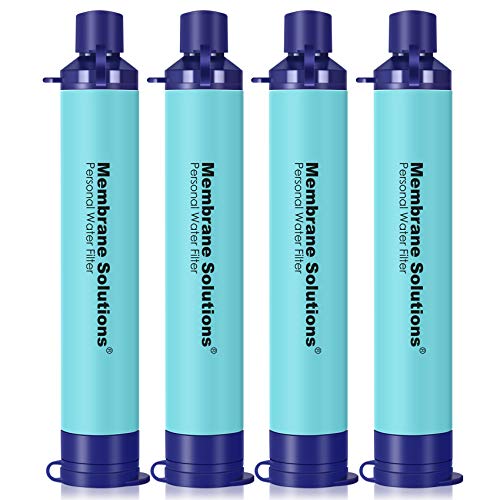
Membrane Solutions Water Filter Straw, 4 Pack

Carhartt Soft Shell Camping Cooler Lunchbox
List of Services
-
Camping in Utah Discover Utah's top camping spots, gear tips, and when to go. Perfect for women, beginners, and families. Start planning your Utah trip today.Camping in Utah
-
Cycling in Utah Discover Utah's best cycling trails for women, beginners, and families. Find top routes, gear tips, and when to go. Start planning your ride today.Cycling in Utah
-
Hiking in Utah Find Utah's best hiking trails for beginners, families, and solo adventurers. Get real tips on permits, gear, and where to go. Start planning today.Hiking in Utah
-
Kayaking in Utah Discover Utah's best kayaking spots for women and families. Find top lakes, rivers, and gear tips. Start planning your paddle today.Kayaking in Utah