
Paddling Utah: Calm Lakes, Desert Rivers, and the Best Days You'll Spend on the Water
Utah covers a lot of ground, and the water here comes in all shapes. You've got still alpine lakes tucked into national forest, broad desert reservoirs, and rivers that range from leisurely to genuinely wild. That range is what makes the state worth paying attention to if you love being on the water. The trick is knowing which spot fits the kind of day you're planning.
Sand Hollow State Park is one of the most accessible paddling destinations in the state parks system, and it shows. The water is warm, the setting is open, and it's the kind of place where a first-timer feels comfortable from the first stroke. It's a reliable choice if you're introducing someone to kayaking and want a low-pressure environment.
Lake Powell sits at the other end of the scale in terms of sheer scale and visual impact. The red-rock formations that rise from the water there are unlike anything you'll find on most paddling trips in the country. It's listed as a top kayaking and canoeing destination in Utah, and the calm coves give you plenty of room to explore at your own pace.
The Colorado River near Moab offers both half-day and full-day kayaking trips, which makes it workable even if your schedule is tight. The river has character without being intimidating, and the canyon scenery that surrounds it is the kind that makes you stop paddling just to look. Guided trips are widely available here, which is a smart option if it's your first time on moving water.
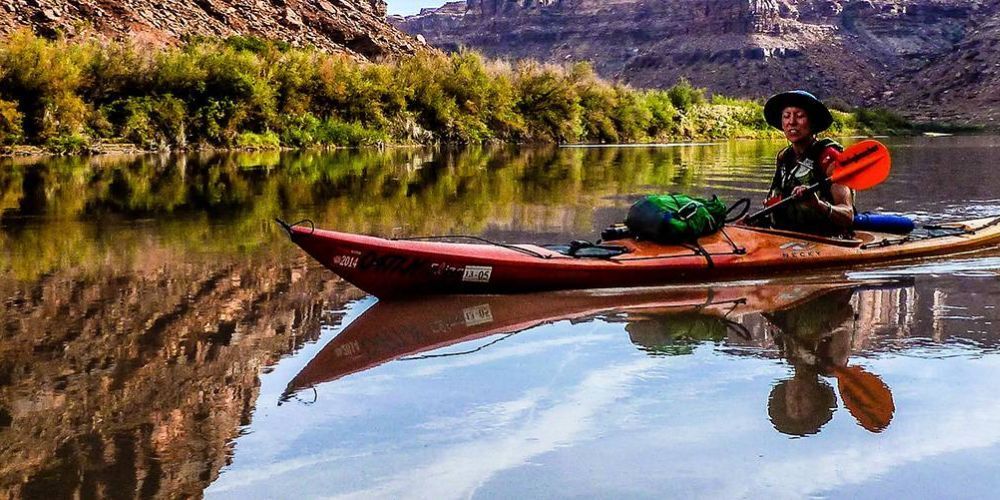
Where Utah's Best Paddling Actually Happens
Flatwater paddling and river paddling are genuinely different experiences, and it helps to know what you're signing up for before you go. Flatwater means still or slow-moving water, like a lake or reservoir, where you control the pace entirely. Moving water means current, which adds a layer of engagement and requires a little more attention.
Trial Lake in the Uinta-Wasatch-Cache National Forest is a solid flatwater option. It's calm, quiet, and surrounded by forest. Popular trailheads for Crystal Lake and Bald Mountain are about a mile away at Washington Lake, so you can pair a morning paddle with an afternoon walk if the group is up for it. The lake also supports rainbow trout fishing, so if someone in your group wants to cast a line while you paddle, that works too.
The Weber River near Park City sits in a different category. It features mild rapids and serene stretches, which makes it a good introduction to moving water without throwing you into anything technical. Guided half-day and full-day kayaking trips are available on the river. Having a guide the first time you're on a river with any kind of current is genuinely worth it.
Cataract Canyon is listed among Utah's recommended paddling destinations and is best suited for those who have some experience on the water. It's a different kind of paddle than a quiet lake morning, and knowing that going in helps you plan the right trip for where you are right now.
Wildlife and Nature You Might See from the Water
One of the quieter pleasures of kayaking is how close you can get to things. You're low to the water, you're not making much noise, and wildlife doesn't always register you as a threat the way they might on a trail. Utah's waterways deliver on this more than you might expect.
At least one guided kayak and SUP tour in Utah specifically mentions the possibility of seeing birds, beavers, and turtles during the paddle. That's not a guarantee, but it's a real possibility when you're moving quietly through the right habitat. Beavers especially tend to show up at dawn and dusk, so an early start has its rewards.
On rivers like the Green River, the landscape itself becomes part of the experience. The Green River is recommended as a kayaking and canoeing destination in Utah, and the combination of canyon walls, clear water, and unhurried current makes it feel genuinely restorative. Paddling something that calm gives you a lot of time to notice what's around you.
The History Floating Beneath Your Paddle
Utah's landscape holds a lot of history, and some of it you can access from the water in a way you simply can't from a trailhead. At least one guided kayak and stand-up paddleboard tour in the state incorporates exploration of Utah's ancient cultures as part of the paddling experience. That framing changes the trip. You're not just paddling through scenery. You're moving through places where people lived, traveled, and left marks on the rock.
The canyon country around Moab and the Colorado River is particularly layered in this way. The sandstone walls that make the region so striking are also a record of time that goes back well before any modern visitor arrived. A guide who knows local geology and history can make a half-day on the water feel like a full education.
Some tour operators in Utah employ guides certified through the American Canoe Association and trained as Wilderness First Responders, and some of those guides are specifically trained in local geology. That's the kind of detail that matters when you want your trip to be more than just a paddle.
Gear Tips for Paddling Utah's Water
Utah's climate demands a little more thought than most people expect. The desert regions are hot and dry, especially in summer, and sun exposure on the water is intense. Alpine lakes like Trial Lake are cooler and can shift quickly in the afternoon. Dressing for both the air temperature and the water temperature is the right approach, not just one or the other.
Sun protection is the first thing to sort out. A hat with a brim, UV-protective paddle gloves, and a long-sleeved sun shirt will serve you better than sunscreen alone on a full-day trip. The reflection off the water doubles your exposure in a way that sneaks up on you. A dry bag for your phone, snacks, and a spare layer is non-negotiable on any river trip.
If you're joining a guided trip, most Utah operators provide well-maintained equipment and instruction as part of the package. That means you don't need to own a kayak to have a real experience on the water. For those who want to paddle independently on lakes in the national forest, verify current regulations with the Uinta-Wasatch-Cache National Forest before you go, since rules around permits and access can vary by location and season.
Essential Gear for Utah

Athmile Barefoot Water Shoes for Women
List of Services
-
Camping in Utah Discover Utah's top camping spots, gear tips, and when to go. Perfect for women, beginners, and families. Start planning your Utah trip today.Camping in Utah
-
Cycling in Utah Discover Utah's best cycling trails for women, beginners, and families. Find top routes, gear tips, and when to go. Start planning your ride today.Cycling in Utah
-
Hiking in Utah Find Utah's best hiking trails for beginners, families, and solo adventurers. Get real tips on permits, gear, and where to go. Start planning today.Hiking in Utah
-
Kayaking in Utah Discover Utah's best kayaking spots for women and families. Find top lakes, rivers, and gear tips. Start planning your paddle today.Kayaking in Utah