
Utah Hiking Trails Worth the Drive, the Dust, and Every Step
Dead Horse Point State Park is one of those places that earns its reputation without trying. The park has approximately seven miles of hiking trails that move along rimrock and desert plateau. The views over the canyon are wide and unhurried, and the trails are manageable enough that you won't spend the whole time watching your feet. It's a good first Utah hike because the payoff is immediate and the terrain is clear.
Goblin Valley State Park is a different kind of experience entirely. The Valley of the Goblins trail winds through a landscape that looks like it belongs on another planet, all rounded sandstone hoodoos rising from the desert floor. There's a formation called Wild Horse Window that's worth finding. Kids genuinely love this one, but it's equally good if you're hiking solo and want something that feels a little surreal and restorative at the same time.
Both parks are Utah state parks, which means accessible entry points, marked trails, and the kind of infrastructure that makes a day trip feel low-stress. If you're brand new to desert hiking, starting at one of these two gives you a real feel for Utah's landscape without throwing you into remote backcountry.
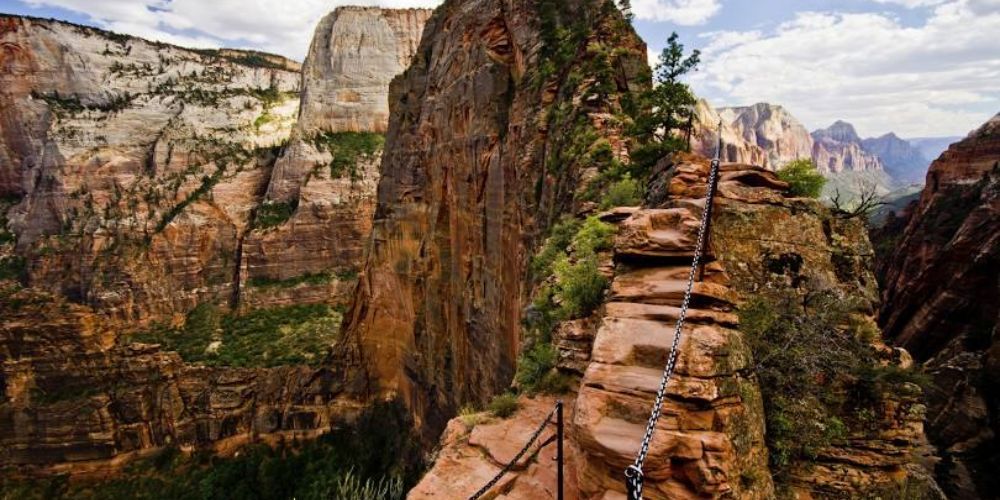
Utah Trails That Won't Overwhelm You on Your First Time Out
Cedar Mesa and Comb Ridge sit within Bears Ears National Monument, land that carries deep meaning for multiple Indigenous nations. The area holds structures, artifacts, and cultural remains that have survived for centuries. Those resources are legally protected, and visitors are expected to look without touching, to stay on trail, and to leave everything exactly as they found it. This isn't just a rule. It's respect for people whose connection to this land long predates any trail map.
Moon House is one of the most significant sites in the region. It's an ancestral Puebloan cliff dwelling that you can hike to with a permit, and it's the kind of place that quiets you down fast. The access road is rough and requires a high-clearance four-wheel drive vehicle, so plan accordingly. The experience is rugged, but that's partly what makes arriving there feel earned.
Hiking through Bears Ears is a chance to walk through living history. You're not just getting exercise. You're moving through a landscape that holds thousands of years of human story, and that changes how a hike feels.
Permits and Passes: What You Need Before You Go
Cedar Mesa and Comb Ridge both require a Day Hiking Pass, available through Recreation.gov. Groups are capped at 12 people, so if you're coordinating a larger trip, you'll need to split up or plan ahead. Booking early is smart, especially for spring and fall when trail traffic picks up.
Moon House, located within Bears Ears National Monument, also requires a day hiking permit booked through Recreation.gov. Given the rough access road and the remote setting, this one takes more planning than a typical day hike. Check the permit page for current availability and any seasonal closures before you commit to dates.
Bryce Canyon National Park offers Full Moon Hike Tours that you can book through Recreation.gov. These are guided evening hikes, and they fill up. If a moonlit hike through Bryce's hoodoos sounds like your kind of thing, get on the reservation page early. It's one of those experiences that stays with you.
Gear Tips for Hiking Utah's Desert Terrain
Utah's desert environment is the main thing to dress and pack for. The sun is intense at elevation, the air is dry, and temperatures can swing dramatically between morning and afternoon. Sun protection is non-negotiable: a hat with a real brim, UV-protective clothing, and sunscreen you'll actually reapply. Lightweight layers matter more here than in humid states because the temperature drop in the shade or late afternoon can catch you off guard.
Water is the other priority. Desert trails don't have creeks you can filter from at every turn, and thirst sneaks up on you when the air is this dry. Carry more than you think you need. A hydration pack makes this easier, especially if you're covering trails with kids who won't always tell you they're thirsty until it's too late.
Footwear on Utah's terrain should have solid grip and ankle support. The sandstone is beautiful, but it's uneven, and loose gravel shows up on trails without warning. Trail runners work well for beginner routes like Dead Horse Point. For anything more remote or rocky, a low-cut hiking boot with good sole stiffness gives you more confidence on the ground. AllTrails trail maps include terrain notes that can help you match your footwear to your specific hike.
Essential Gear for Utah

The North Face Borealis Commuter Backpack
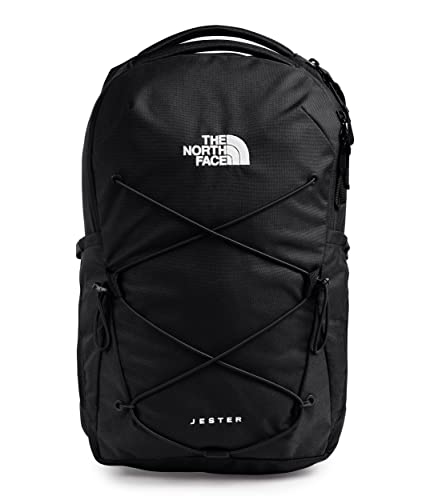
The North Face Women's Jester Backpack

The North Face Recon Backpack with Laptop Sleeve
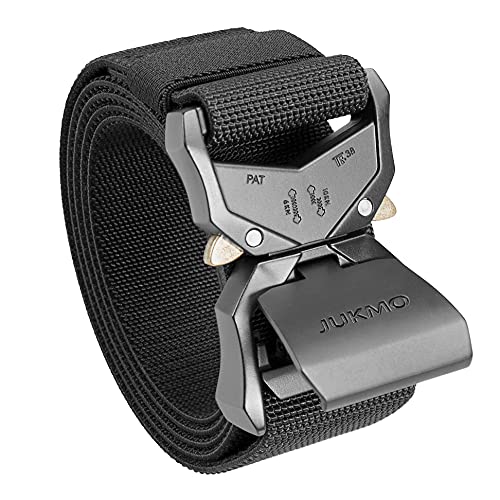
JUKMO Tactical Hiking Belt, 1.5 Inch Nylon

LifeStraw Personal Water Filter, 3 Pack
List of Services
-
Camping in Utah Discover Utah's top camping spots, gear tips, and when to go. Perfect for women, beginners, and families. Start planning your Utah trip today.Camping in Utah
-
Cycling in Utah Discover Utah's best cycling trails for women, beginners, and families. Find top routes, gear tips, and when to go. Start planning your ride today.Cycling in Utah
-
Hiking in Utah Find Utah's best hiking trails for beginners, families, and solo adventurers. Get real tips on permits, gear, and where to go. Start planning today.Hiking in Utah
-
Kayaking in Utah Discover Utah's best kayaking spots for women and families. Find top lakes, rivers, and gear tips. Start planning your paddle today.Kayaking in Utah