
Camping in Virginia: Where the Mountains, Rivers, and Open Sky Are All Yours
Shenandoah National Park is the name most people know, and for good reason. It has four campgrounds you can reserve through Recreation.gov, plus at least one permit option for those who want to get further into the backcountry. The drives in are scenic, the sites fill up in peak season, and booking early is non-negotiable.
Mount Rogers National Recreation Area is worth your attention if you want more trail access. It holds over 500 miles of trails, including 60 miles of the Appalachian Trail and 18 miles of the Virginia Creeper Trail. That's a lot of options. You can set up camp and spend multiple days exploring without retracing a single step.
Jefferson National Forest is another solid choice, particularly if you want flexibility. AllTrails has hand-curated trail maps for the area, which makes planning your days around camp straightforward. It tends to draw folks who want a little more solitude than a developed campground provides.
Kiptopeke State Park rounds out the list as one of Virginia's standout state park campgrounds. It sits on the Eastern Shore, which gives it a completely different feel from the mountain options. The proximity to the Chesapeake Bay makes it a good pick if you and your crew want water nearby without a long drive to a separate spot.
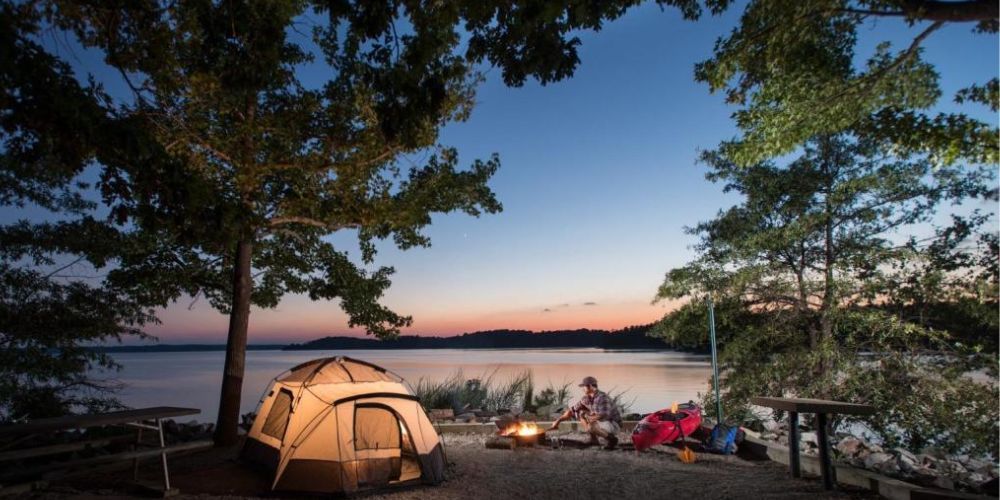
Where Virginia Campers Actually Go
North Bend Park at John H. Kerr Dam and Reservoir sits in southern Virginia and offers a reservoir setting that feels quieter than the mountain parks on a summer weekend. The campsites have gravel bases, so bring extra padding under your tent. It's a practical detail, and the folks who know it ahead of time sleep better.
A few site-specific rules are worth knowing before you arrive. All camping equipment must stay within your site perimeter, and check-in is at 4:00 p.m. with a 2:00 p.m. check-out. That later check-out gives you a solid morning before you have to pack up, which is a small luxury worth appreciating.
The reservoir itself is the draw here. Calm water, open sky, and enough space that you won't feel like you're camping on top of strangers. It's a good pick for a first trip or a low-key weekend with a friend.
Cultural Roots of Camping in Virginia
Scouting has deep roots in Virginia's outdoor culture. The Virginia Headwaters Council publishes a vetted camping guide specifically for Cub Scout and Scout trips, pointing families toward sites across the state that have been reviewed and approved for youth groups. If you're planning a first camping trip with a daughter who's in Scouts, or you just want the confidence of a curated list, that guide is worth pulling up.
The broader takeaway is that Virginia has a long tradition of organized outdoor education. Families here have been introducing kids to camping in a structured, supported way for generations. That culture shows up in well-maintained state parks, clear signage, and campgrounds that feel welcoming to first-timers rather than intimidating.
How to Book and What to Know First
Virginia's state parks run their own reservation system, and they offer a Customer Loyalty Program that's worth signing up for when you plan your first trip. Repeat visits add up, and the perks are a practical reason to come back. Start there if you're booking a state park site.
For federal lands like Shenandoah or North Bend Park at Kerr Reservoir, Recreation.gov is your booking hub. It lists over 400 camping and recreation results for Virginia, which gives you a real sense of how much is available across the state. Permits for Shenandoah backcountry are also booked through Recreation.gov, so keep that in mind if you're planning anything beyond a developed campground.
Book early. Virginia campgrounds, especially in the mountains, fill up weeks or months in advance during spring and fall. That's the honest truth, and knowing it saves you disappointment.
Gear Tips for Camping in Virginia
Virginia's terrain and climate vary more than you'd expect. Mountain sites at elevation run cool at night even in summer, and a sleeping bag rated for lower temperatures than you think you need is the right call. Coastal and lakeside sites tend to be warmer and more humid. Pack for the specific region you're visiting, not just the season.
If you're camping at North Bend Park or any site with a gravel base, a foam sleeping pad or a thick self-inflating pad makes a real difference. An air mattress alone won't cut it on gravel. This is the kind of thing that separates a good night's sleep from a miserable one, and it's easy to get right.
A reliable rain layer matters everywhere in Virginia. The weather shifts fast in the mountains, and afternoon storms roll through in summer without much warning. Pack it even if the forecast looks clear. For trail days at Mount Rogers or in Jefferson National Forest, trail runners or light hiking boots with good grip will serve you better than casual sneakers on the rooted, uneven paths.
Essential Gear for Virginia

Carhartt Soft-Shell Camping Cooler, Brown
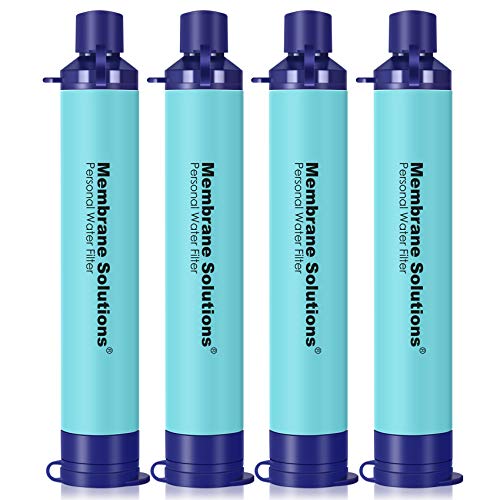
Membrane Solutions Water Filter Straw, 4 Pack

LifeStraw Personal Water Filter, 3 Pack
List of Services
-
Camping in Virginia Find Virginia's best campgrounds for beginners, families, and weekend escapes. Get real tips on top sites and gear. Start planning your trip today.Camping in Virginia
-
Cycling in Virginia Discover Virginia's best cycling trails, coastal routes, and historic rides. Gear tips and seasonal advice included. Start planning your Virginia ride today.Cycling in Virginia
-
Hiking in Virginia Discover Virginia's best hiking trails for beginners and families. Find top spots, gear tips, and permits. Start planning your trip today.Hiking in Virginia
-
Kayaking in Virginia Find Virginia's best kayaking spots, gear tips, and guided tour options for beginners and families. Start planning your paddle trip today.Kayaking in Virginia