
Cycling in Virginia: Coastal Rides, Mountain Trails, and Roads Worth Every Pedal Stroke
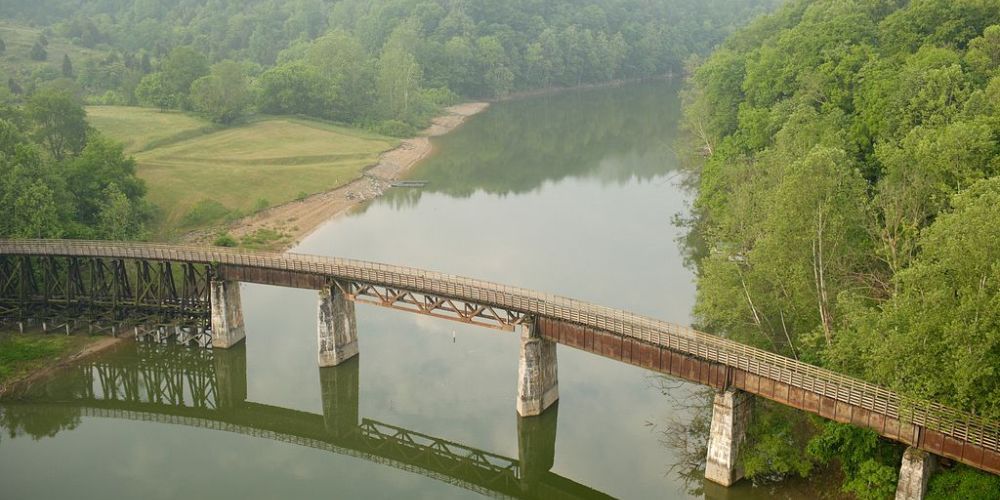
The New River Trail is one of those places you hear about and then wonder why you waited so long. It's a Virginia State Park trail that follows an old railroad corridor, which means gentle grades and a long, steady sense of forward motion. Autumn turns it into something else entirely, with color on both sides and the river keeping pace alongside you. It's the kind of ride you want to do slowly.
The Northern Neck is Virginia's quiet coastal peninsula, and cycling it over multiple days is one of the better ways to see the state. A popular multi-day itinerary starts in Tappahannock, moves through Urbanna to Irvington, and continues from there. The route blends back roads, water views, local food, and a pace that lets you actually look around. It rewards folks who enjoy history as much as mileage.
For riders who want something closer to Northern Virginia, the Prince William area offers 37 miles of trails, making it the most extensive trail network in that part of the state. Cycling is one of the listed activities, and the variety of terrain means you can find a route that fits your energy on a given day. It's a solid option when you want to get out without making a full trip of it.
Colonial National Historical Park rounds out the list with a different kind of ride. The area near the Historic Jamestowne Tour Road is open for biking on weekends, and the park runs living history programs that make a stop feel like more than just a rest. Bacon's Rebellion and Royal Artillery programs bring the history to life in a way that surprises most first-timers.
Where Virginia Cyclists Actually Ride
Virginia's landscape does most of the work of keeping a ride interesting. The western part of the state has rolling hills and mountain ridges, including the Blue Ridge, where beginner-friendly mountain biking routes exist alongside more advanced options. The terrain is forgiving enough to learn on but varied enough to keep you honest. You'll earn some climbs, and the descents feel like a reward.
The George Washington and Jefferson National Forests offer bike touring trails with curated maps on AllTrails, and the forest roads and singletrack there give you the feel of genuine backcountry riding. It's not technical in a way that should intimidate a casual rider, but you'll want to go in with a plan. Download the trail maps before you leave cell range.
On the eastern side, the Northern Neck and coastal areas flatten out considerably. Roads run through farmland and along tidal creeks, and the riding feels unhurried in the best way. This is the terrain that rewards a long, easy morning in the saddle with good company. The challenge is low; the scenery does plenty.
The Turkey Pen Ridge, Torry Mountain, Slacks, and White Rock Gap Trail is listed as both the most popular and most difficult bike touring trail in Virginia on AllTrails, with a 4.5-star rating. It's worth knowing about, even if it's not your first ride in the state. File it under aspirational and come back for it when you're ready.
When Autumn Makes Virginia Worth the Drive
Autumn is the season most cyclists point to when they talk about Virginia. The New River Trail in particular draws riders in fall, when the tree canopy turns and the light gets that low, golden quality that makes every photo look like it was planned. The temperatures drop into a range that feels made for cycling: cool enough to push hard, warm enough to stay comfortable in layers. It's the season that converts casual riders into regulars.
The research data highlights autumn specifically for Virginia cycling, and it tracks with what the terrain offers. Leaf color along forested trails and mountain routes peaks in October and into early November depending on elevation. If you're planning a multi-day trip on the Northern Neck, fall also means smaller crowds and quieter roads. You'll share the route with fewer people and more light.
No other seasons have been called out in the available data, but Virginia's mid-Atlantic climate means spring and early summer are also widely ridden. What's clear is that if you can only go once, autumn is the time to plan for.
History on Two Wheels
One of the things that sets Virginia apart as a cycling destination is how much history you can move through without trying. Colonial National Historical Park isn't just a backdrop. It's an active site where the Bacon's Rebellion Living History Program and Royal Artillery Living History events run alongside weekend biking opportunities. You can stop mid-ride and step into the 17th century for an hour. That's not something most states can offer.
The Northern Neck carries its own weight historically. The peninsula has been inhabited and traveled for centuries, and the cycling itinerary through Tappahannock, Urbanna, and Irvington passes through towns with roots that go back to colonial Virginia. The cuisine along the route reflects the water culture of the region. Expect oysters, local catch, and restaurants that have been around long enough to have a loyal following.
CyclingVA.com was built specifically to consolidate Virginia's cycling resources in one place, and it's worth bookmarking before your trip. It pulls together routes, events, and community information across the state. It's the kind of resource that makes planning feel less like research and more like browsing.
Gear Tips for Cycling in Virginia
Virginia's terrain variety means your gear choices matter more here than in a state with one dominant riding style. If you're planning to ride gravel roads or forest trails in the Blue Ridge or national forests, a gravel or hybrid bike will serve you better than a road bike. The surface changes quickly, and having tires with some grip makes the difference between confident and cautious. If you're renting, ask specifically about tire width.
For clothing, layering is the right approach for autumn riding in particular. Start with a moisture-wicking base, add a light insulating layer, and keep a packable wind shell in your bag. Virginia mornings can be cool even when afternoons warm up, and you'll be glad to have the option. Gloves and a thin buff or neck gaiter are worth tossing in, especially on mountain routes.
A good helmet is non-negotiable, and a properly fitted one makes long rides more comfortable as well as safer. Bring a basic repair kit: a spare tube or two, tire levers, and a small hand pump. On longer routes like the Northern Neck multi-day or forest trails, cell service can be unreliable. Downloading offline maps through AllTrails before you go is a habit worth building.
Sunscreen matters more than most riders expect on coastal and open road routes. The Northern Neck offers little shade for long stretches, and a few hours in the sun adds up. Carry more water than you think you need, and plan your stops around towns with known services rather than assuming you'll find something along the way.
Essential Gear for Virginia
List of Services
-
Camping in Virginia Find Virginia's best campgrounds for beginners, families, and weekend escapes. Get real tips on top sites and gear. Start planning your trip today.Camping in Virginia
-
Cycling in Virginia Discover Virginia's best cycling trails, coastal routes, and historic rides. Gear tips and seasonal advice included. Start planning your Virginia ride today.Cycling in Virginia
-
Hiking in Virginia Discover Virginia's best hiking trails for beginners and families. Find top spots, gear tips, and permits. Start planning your trip today.Hiking in Virginia
-
Kayaking in Virginia Find Virginia's best kayaking spots, gear tips, and guided tour options for beginners and families. Start planning your paddle trip today.Kayaking in Virginia