
Kayaking in Virginia: Where to Go, What to Know, and Why You'll Keep Coming Back
The Occoquan River Paddle Route is one of the more interesting paddles in northern Virginia, and not just because of the scenery. The route passes a marina, upscale riverside houses, and a Coast Guard training center, which gives it a different energy than a remote wilderness paddle. It's best suited for kayaks, and experienced paddleboarders can handle it too, though the conditions can shift. Before you go, verify whether a permit is required for the route, as that can vary. At least 37 folks have logged the route on AllTrails, so you'll find honest firsthand notes there to help you prepare.
For something on a completely different scale, Longwood Park sits on John H. Kerr Reservoir, a 50,000-acre lake that stretches 39 miles along the wooded, cove-studded shoreline of the Roanoke River. That much water and that much shoreline means you can find a quiet corner even on a busy weekend. The coves are calm and the tree line comes right down to the water, which makes it feel more remote than it is. It's a good place to take your time.
Tailrace Park at North Bend Park offers a wheelchair-accessible canoe and kayak launch into the river, which matters if you're paddling with someone who needs that access. It's part of the Virginia Blueways Trail, a designated water trail network across the state. The fact that it's on a recognized trail network means it's been vetted, maintained, and connected to other put-ins worth exploring.
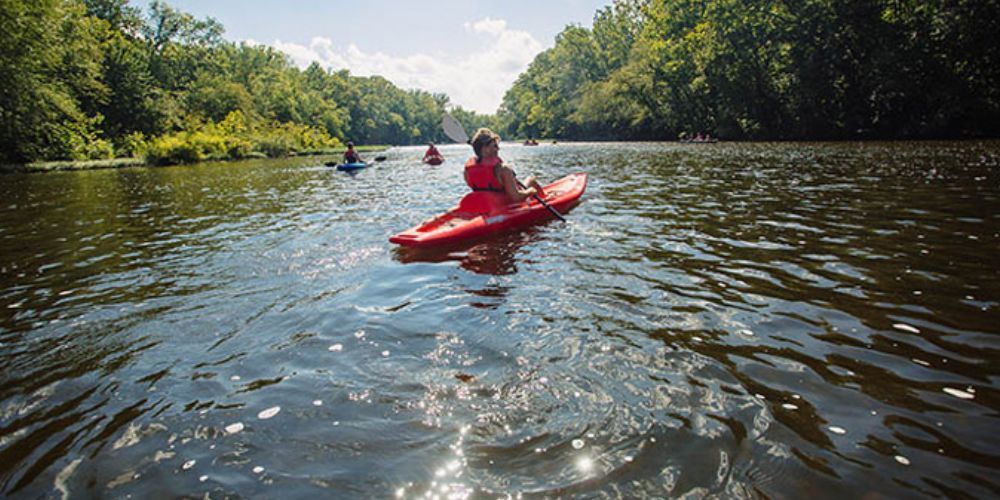
Where Virginia Paddlers Actually Put In
Craig Creek Recreation Area, tucked inside the George Washington and Jefferson National Forests, is not for a casual afternoon outing. There are no hookups, no electricity, and typically no cell service. That's the point. If you're looking for a paddling experience that feels genuinely remote, this is one of the few places in Virginia that delivers it without requiring a plane ticket.
Come prepared on the licensing side. A valid Virginia fishing license that includes a national forest stamp is required at Craig Creek. Get that sorted before you leave home, because there's no ranger station nearby to help you sort it out on arrival. It's a small logistical detail that can derail an otherwise great trip.
The payoff for that preparation is real solitude. Craig Creek is the kind of place where you can paddle in the morning, sit with coffee and actual quiet in the afternoon, and feel genuinely restored by the time you drive home. It's worth it.
Guided Tours Worth Booking
If you're new to kayaking or new to Virginia's waterways, starting with a guide is a smart move. RVA Paddle Sports in Richmond offers private kayak tours led by guides with decades of experience on the local water. A private tour means the pace, the route, and the conversation all center on your group, which is a different experience than joining a large public tour. It's a good option if you're paddling with a daughter who's just getting her confidence, or if you simply want someone who knows every bend in the river to show you around.
For coastal Virginia, the Virginia Water Trails program connects paddlers with professional ecotour guides in rural coastal areas of the state. These guides specialize in the ecology and natural character of the places they paddle, so you're not just getting a boat ride. You're getting context, which makes the whole experience land differently. It's the kind of guided experience that changes how you look at a shoreline.
Booking a guide your first time out isn't a concession to inexperience. It's how experienced paddlers in new places stay safe and learn faster. Virginia has the resources to make that easy.
Cultural and Historic Connections
The Occoquan River has a longer history than its modern marina and riverside houses suggest. The river has been a working waterway for centuries, and the town of Occoquan, which sits near the paddle route, is one of Virginia's oldest mill towns. Paddling the route gives you a layered view of the same water that once powered grist mills and supported early colonial trade.
Richmond's stretch of the James River carries its own weight historically. The river was central to the city's industrial identity and to its role during the Civil War. RVA Paddle Sports guides who have spent decades on that water often weave that context into tours naturally, not as a lecture, but as the kind of thing you'd mention to a friend who asked. That kind of local knowledge is hard to find in a guidebook.
Virginia's investment in the Blueways Trail network and the Water Trails program reflects a more recent cultural commitment to keeping these waterways accessible and ecologically intact. That matters for paddlers who want to know the water they're on is being looked after.
Gear Tips for Paddling Virginia's Waters
Virginia's paddling conditions range from calm reservoir flatwater to moving river currents, so your gear needs to be honest about what you're actually doing. For flatwater spots like John H. Kerr Reservoir or the Occoquan, a recreational sit-inside or sit-on-top kayak works well and is easy to rent or borrow for a first trip. For Craig Creek or any moving water, a kayak with more directional stability matters, and a skirt can help if conditions pick up.
A personal flotation device is non-negotiable, and it needs to fit correctly to do its job. Don't borrow one that's sized for someone else. Bring a dry bag for your phone, keys, and any snacks, because even calm water finds a way into things. Sun protection is easy to underestimate on the water, since the reflection off the surface adds to what you're taking in. A long-sleeve sun shirt, polarized sunglasses, and a hat with a brim are practical, not optional.
For Craig Creek specifically, plan as if you won't have cell service, because you won't. Download offline maps before you leave, carry a paper backup if you can, and tell someone your put-in and take-out plan. Virginia's remote paddling areas are safe and well worth visiting. They just ask you to show up prepared.
Essential Gear for Virginia

Athmile Women's Barefoot Water Shoes
List of Services
-
Camping in Virginia Find Virginia's best campgrounds for beginners, families, and weekend escapes. Get real tips on top sites and gear. Start planning your trip today.Camping in Virginia
-
Cycling in Virginia Discover Virginia's best cycling trails, coastal routes, and historic rides. Gear tips and seasonal advice included. Start planning your Virginia ride today.Cycling in Virginia
-
Hiking in Virginia Discover Virginia's best hiking trails for beginners and families. Find top spots, gear tips, and permits. Start planning your trip today.Hiking in Virginia
-
Kayaking in Virginia Find Virginia's best kayaking spots, gear tips, and guided tour options for beginners and families. Start planning your paddle trip today.Kayaking in Virginia