
Pedaling Through Missouri: Rail Trails, River Towns, and Rides Worth Planning
The Katy Trail is the one everyone talks about, and it earns it. At 225 miles, it's the longest rail-trail in the country, built along a former railroad corridor that follows the Missouri River. The trail runs through the heart of Missouri, passing historic towns, working vineyards, and stretches of quiet river bottomland. It sits within a Missouri state park, so the path is well-maintained and accessible to riders of all experience levels.
Because the Katy Trail follows a former rail line, the grade is gentle and steady. That makes it one of the more approachable long-distance trails you'll find anywhere, and it's a good first choice if you haven't done a multi-day ride before. You don't need to ride all 225 miles. Plenty of folks pick a section, ride it in a day or a weekend, and feel completely satisfied.
For riders who want something more rugged, Mark Twain National Forest offers bike touring trails that wind through the Missouri Ozarks. The area is known for its limestone karst topography, the kind of landscape carved by underground water over thousands of years, and it shows in the dramatic ridgelines and hollows you ride through. Trails here are open to hikers, mountain bikers, and equestrians, so expect a shared-use experience with a wilder feel than a paved rail trail.
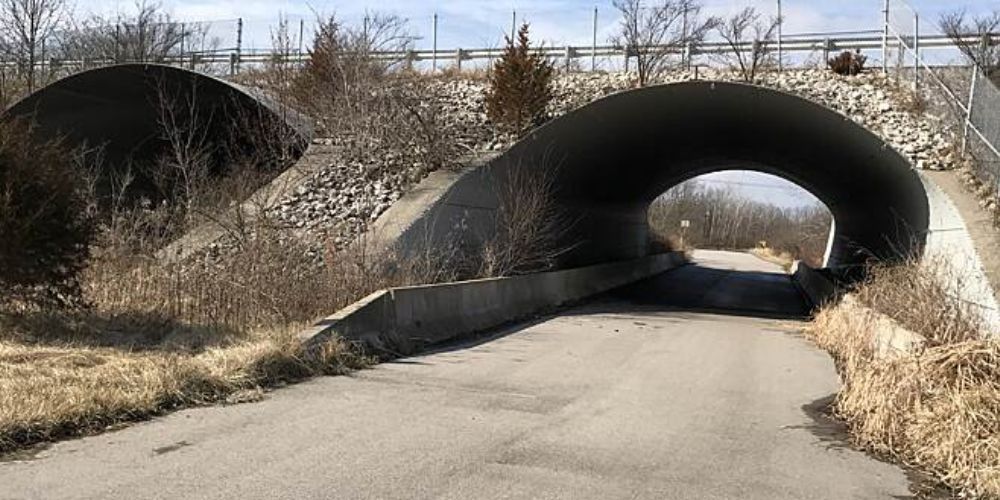
Missouri's Best Rides: Rail Trails and Forest Routes Worth Your Time
If the idea of planning every detail yourself feels like too much, a guided tour is worth looking into. Discovery Bicycle Tours runs a 7-day guided Katy Trail tour that covers river views, historic towns, and vineyard stops along the way. Having a guide handle logistics means you show up, ride, and enjoy the scenery. That's a legitimate way to experience a long trail, especially if it's your first multi-day trip.
For riders who want independence without the full planning load, Crossroads Bike Tours is the go-to option. They're described as the top self-guided provider for Katy Trail tours, meaning they handle the logistics, bag transfers, and accommodations while you set your own pace. You still get to stop when you want, linger in a river town, or take a detour through a vineyard. It's the best of both worlds.
St. Louis has its own set of tour operators for shorter, city-based rides. Trikke STL Guided Tours and Pedego Electric Bikes St. Louis are both based there, and they offer a different kind of cycling experience. An electric bike option is worth knowing about if hills or distance feel like a barrier. It's not a workaround. It's just a smarter tool for a certain kind of day.
Planning Longer Routes Across Missouri
Missouri has a full network of cycling routes beyond the Katy Trail, including cross-state, touring, regional, connector, and local options. The Missouri Bicycle Federation catalogs all of them at mobikefed.org, and it's the most practical starting point for planning any ride that goes beyond a single trail. The site covers routes suited to day rides, weekend trips, and longer on-road touring.
AllTrails also maintains curated lists of the top road biking trails across the state, with trail maps, driving directions, and rider reviews. If you're near Springfield, they list the ten best road biking routes in that area specifically. That kind of local detail saves you from showing up somewhere and figuring it out from scratch.
Having a few resources bookmarked before you go makes a real difference. Between mobikefed.org and AllTrails, you can build a trip around almost any schedule, distance goal, or location in the state.
Culture and History Along the Trail
The Katy Trail's history runs deeper than its railroad origins. The corridor follows the path Lewis and Clark traveled during their 1804 expedition up the Missouri River, and interpretive signs along the trail mark key moments from that journey. Riding this path puts you in conversation with one of the most significant chapters in American exploration, which gives even a short afternoon ride a different kind of weight.
The historic towns along the Katy Trail are the other part of the story. Places like Hermann, a town founded by German immigrants in the 1800s, still have working wineries and a downtown that looks like it hasn't rushed in decades. Stopping for lunch or a glass of wine in a town like that is part of what makes this trail different from a simple workout. You're moving through a living landscape with real roots.
Mark Twain National Forest carries its own cultural layer. The Ozark region has been home to communities shaped by the land for generations, and the limestone hollows and ridges you ride through have a quiet, ancient feeling. It's a different kind of history, less documented but just as present.
Gear Tips for Cycling in Missouri
Missouri summers are warm and humid, so breathable layers matter more than heavy technical gear. A moisture-wicking jersey and padded cycling shorts are the two items worth investing in before your first long ride. Everything else can be borrowed or rented, but those two things directly affect how you feel after three hours on the trail.
The Katy Trail is mostly crushed limestone surface, so a hybrid bike or gravel bike handles it better than a road bike with narrow tires. If you're renting, look for a bike with at least a 35mm tire. Mark Twain National Forest trails call for something more rugged, with a true mountain bike handling better on the varied terrain there.
Sun protection is the practical detail most riders underestimate. Missouri's open stretches along the river offer very little shade, and a full summer day on the Katy Trail means hours of direct sun. A cycling-specific sun hat or a lightweight buff, SPF lip balm, and a small tube of sunscreen in your jersey pocket will carry you through. Bring more water than you think you need. Resupply points exist along the trail, but spacing varies.
Essential Gear for Missouri

Paplus Ankle Compression Socks, 6 Pairs
List of Services
-
Camping in Missouri Find Missouri's best camping spots for women, beginners, and families. Top sites, gear tips, and planning advice. Start your Missouri camping trip today.Camping in Missouri
-
Cycling in Missouri Discover Missouri's best cycling trails, from the Katy Trail to the Ozarks. Gear tips, top routes, and when to go. Start planning your ride today.Cycling in Missouri
-
Hiking in Missouri Discover Missouri's best hiking trails for women and families. Find top spots, gear tips, and when to go. Start planning your trip today.Hiking in Missouri
-
Kayaking in Missouri Find Missouri's best kayaking rivers and lakes for beginners and families. Get gear tips, seasonal advice, and top spots. Start planning your paddle trip today.Kayaking in Missouri