
Paddling Missouri: Clear Rivers, Ozark Scenery, and a Great Excuse to Get Outside
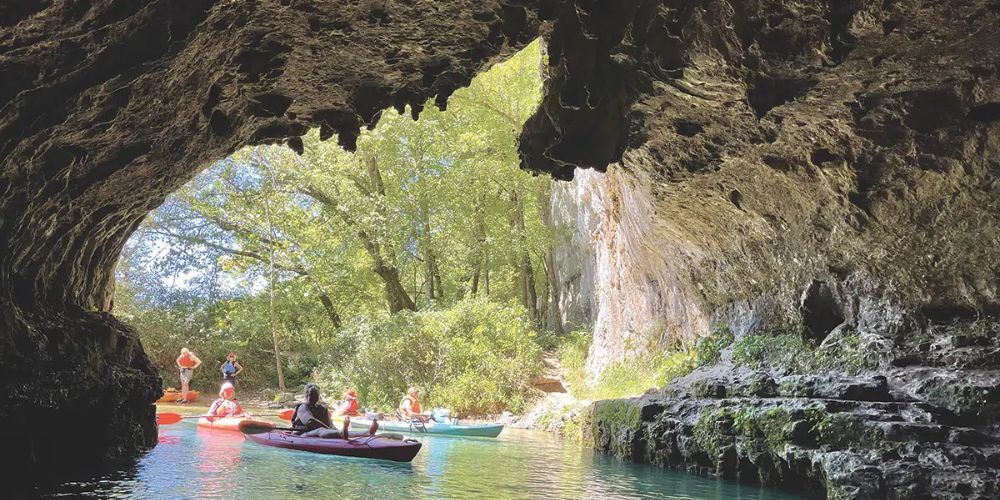
The Current River is a strong starting point for anyone getting into paddling in Missouri. It flows through the Ozarks with clear, spring-fed water that stays cool even in peak summer, and the route is built for kayaks, canoes, and other paddling craft. You won't be doing any hiking here, just moving downstream with the current, reading the water, and taking in the kind of scenery that makes you put your phone away.
The Eleven Point River runs through Mark Twain National Forest and winds through the Ozark region in a way that feels genuinely unhurried. It's a designated paddling route, not a hiking trail, and it tends to attract folks who want a full day on the water without a crowd. The national forest setting adds something you can't manufacture: real quiet.
Cedar Creek is another paddling-only route worth knowing about. Water levels can shift conditions noticeably, so check before you launch. On a calm day, it's a peaceful float with enough gentle movement to keep things interesting without overwhelming a first-timer.
If you're based in or near St. Louis, Forest Park and Simpson Lake give you access without a road trip. Big Muddy Adventures rents kayaks, canoes, paddleboards, and paddleboats from the Boathouse in Forest Park and from Simpson Lake in St. Louis County. You can be on the water the same morning you decide to go.
Where Missouri Paddlers Actually Go
Missouri gives you both, and knowing the difference before you pick a spot will save you from a stressful first outing. Flatwater paddling, like what you'll find at Forest Park or Simpson Lake, means calm, predictable conditions. The water is usually glassy in the morning. You set the pace entirely. It's a good place to build your strokes, find your balance, and get comfortable before tackling anything with a current.
Moving water is a different experience. Rivers like the Current and Eleven Point have current that does some of the work for you, which feels effortless until you need to steer or stop. The water is clear enough in many spots that you can see the riverbed below you. That clarity is one of Missouri's real draws for paddlers who have options.
Cedar Creek is a good middle ground. It moves, but on normal water levels it's gentle enough for beginners who want to try river paddling without committing to a long, technical float. High water changes that calculus, which is why checking conditions before you go is practical, not optional.
Table Rock Lake's White River Arm, where Mill Creek campground sits, offers a spacious and sunny setting for water-based recreation. It's a larger body of water with a different feel than the Ozark rivers, open and bright rather than shaded and winding.
When to Get on the Water in Missouri
Summer is the most popular season for paddling in Missouri, and for good reason. The rivers are warm enough to wade in if you tip over, the days are long, and the Ozark water stays cool from its spring-fed sources even when the air is hot. Late spring through early fall is the active season across the state, with warmer months drawing the most paddlers to spots like Clearwater Lake, where wading is common alongside floating.
Spring can mean higher water levels on rivers like Cedar Creek. More water can mean faster current, which some paddlers enjoy and others find intimidating. It's worth knowing your comfort level and checking conditions, especially if you're bringing kids or newer paddlers along.
Early fall is one of the quieter times to paddle in Missouri. Crowds thin out, the air cools, and the Ozark trees start to turn. The water is still warm enough to be comfortable, and the light in late September and October has a quality that's hard to describe until you're in it.
Learning to Paddle: Classes and Clinics in Missouri
If you've never sat in a kayak, Missouri has real resources to help you start well. Missouri State Parks offers kayaking classes specifically for people who have never tried it before. That's not a beginner-friendly course that assumes you have some experience. That's truly from scratch, which matters when you're deciding whether to invest in gear or commit to a trip.
The Ozark National Scenic Riverways has hosted kayak skills clinics through the Missouri Scenic Rivers community. These kinds of events are worth watching for because they put you on actual Ozark water with instruction, which is a much better introduction to river paddling than figuring it out alone.
The Missouri Department of Conservation promotes paddling broadly and provides safety and skills information for paddlers on Missouri waters. Their Missouri Paddlers Guide covers access points to every paddling waterway in the state. You can find it at MDC offices or on Amazon, and it's the kind of resource you'll actually use more than once.
The Cultural Thread Running Through Missouri's Rivers
The rivers of the Missouri Ozarks have been traveled for centuries, long before kayaks existed. Native peoples, French explorers, and early settlers all moved through this region on the water. The Current River and Eleven Point River were part of that landscape, and paddling them today puts you in a corridor with a long history of human movement and dependence on these waterways.
Mark Twain National Forest, where the Eleven Point River runs, is named for Missouri's most celebrated writer, who grew up along the Mississippi and spent much of his life finding meaning in rivers. There's something fitting about paddling through a forest that carries his name. The Ozarks he knew are still recognizable out here.
The Missouri Department of Conservation's investment in the Paddlers Guide and ongoing education programs reflects a genuine paddling culture in the state, not just a trend. Folks here take the rivers seriously, care about keeping them clean, and tend to look out for newer paddlers on the water.
Essential Gear for Missouri

Athmile Women's Barefoot Water Shoes for Kayaking
Gear Tips for Paddling Missouri's Rivers and Lakes
Missouri paddling is warm-season paddling for most people, which means your gear priorities lean toward sun protection, hydration, and staying comfortable in and near the water. A personal flotation device is non-negotiable on any moving water in Missouri. Make sure it fits well, not just that you have one on board.
For river paddling on routes like the Current or Cedar Creek, water shoes or sandals with secure straps are worth having. You'll likely be getting in and out of the kayak at put-in and take-out points, and rocky riverbeds are slippery. Sun-protective clothing matters more than people expect on open water, where the reflection doubles your exposure.
A dry bag or waterproof case protects your phone, keys, and anything else you can't afford to soak. On a float that lasts several hours, having your essentials secure lets you actually relax. If you're renting from a local outfitter like Big Muddy Adventures, ask what they recommend for the specific route you're planning. They'll tell you exactly what conditions look like right now.
List of Services
-
Camping in Missouri Find Missouri's best camping spots for women, beginners, and families. Top sites, gear tips, and planning advice. Start your Missouri camping trip today.Camping in Missouri
-
Cycling in Missouri Discover Missouri's best cycling trails, from the Katy Trail to the Ozarks. Gear tips, top routes, and when to go. Start planning your ride today.Cycling in Missouri
-
Hiking in Missouri Discover Missouri's best hiking trails for women and families. Find top spots, gear tips, and when to go. Start planning your trip today.Hiking in Missouri
-
Kayaking in Missouri Find Missouri's best kayaking rivers and lakes for beginners and families. Get gear tips, seasonal advice, and top spots. Start planning your paddle trip today.Kayaking in Missouri