
Cycling in Nebraska: Rail Trails, River Paths, and Open Roads Worth Riding
Nebraska's state parks are a reliable starting point. Indian Cave State Park, Platte River State Park, Mahoney State Park, and Fort Robinson State Park all offer biking opportunities, with terrain that ranges from wide paved paths to dirt and mountain biking courses. Fort Robinson, out in the panhandle near the Pine Ridge, has a rugged character that sets it apart from the flatter eastern parks. Mahoney is closer to Omaha and is a practical choice if you're looking for an accessible day trip.
For those who prefer paved, easygoing riding, the MoPac Trail is one of the state's most consistently recommended routes. It follows a former railroad corridor and keeps the grade gentle, which makes it a good fit for mixed-ability groups. The West Papio Trail and the Big Papio and Keystone Trail Loop are both strong options in the Omaha area, with the Standing Bear Lake and Recreation Area Trail rounding out a solid afternoon ride near the city.
Out near Chimney Rock, cycling routes wind through the high plains landscape that defined the Oregon Trail era. The terrain is open and the skies are wide. It's the kind of riding where you feel the scale of the state in a way that's hard to describe until you've done it.
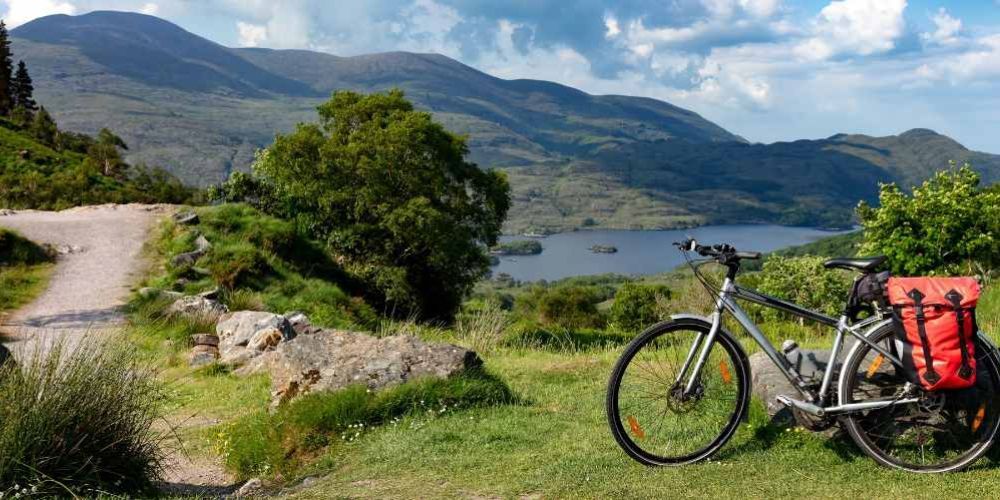
Where to Ride in Nebraska: Parks, Trails, and Town-to-Town Routes
The Cowboy Trail is the route most Nebraska cyclists eventually come back to. It's a rails-to-trails conversion that passes through 30 communities across the state, with most towns spaced 10 to 15 miles apart along the corridor. That spacing matters. It means you're never too far from a stopping point, and you can plan your day around real destinations rather than just turning around at a trailhead.
Almost every community along the trail has a place to camp, which makes the Cowboy Trail genuinely set up for multi-day trips. If you've ever wanted to do a point-to-point overnight ride with a friend or your daughter, this is the one to plan for. You don't need to be a seasoned bike tourer to do it. You just need a loaded bag, a good night's sleep, and a loose itinerary.
The trail follows the path of the old Chicago and North Western Railway, which once connected the Midwest's agricultural towns. Riding it now, you pass through the same small communities those rail lines helped build. That history sits quietly alongside the trail, and it gives the whole ride a sense of place that a loop through the suburbs simply can't match.
Terrain and What to Expect on a Nebraska Ride
Nebraska's reputation for flatness is mostly earned, and for beginner and casual cyclists, that's a feature. The plains terrain means you're not fighting elevation on most routes. River trails in particular tend to follow the natural grade of the land, keeping the riding steady and manageable. If you're returning to cycling after a long break or introducing a younger rider to longer distances, Nebraska's flat corridors are forgiving.
That said, not everything is flat. The state parks, especially those in the western panhandle like Fort Robinson, offer more varied and technical terrain for mountain biking. Indian Cave State Park in the southeast has more topography than you might expect for this part of the country. The dirt paths there are a different experience than a paved rail trail, closer to a true trail ride with roots and elevation changes.
Near Cold Brook Lake, the north end of Cold Brook Campground has a two-track trail through a wildlife area that works well for a short, unhurried ride. It's the kind of route where you might spot something unexpected, a deer cutting across the path or a bird you'd need a field guide to name. It's not a long ride, but it's a good one.
Cultural and Historic Connections Along Nebraska's Cycling Routes
The Cowboy Trail's roots in the old Chicago and North Western Railway give Nebraska cycling a layer of history that most states can't offer. Those rail lines were the economic spine of rural Nebraska for decades, moving cattle, grain, and people across the plains. Converting them into trails preserved not just the physical corridor but the connection between communities that once depended on the railroad.
Near Chimney Rock, the landscape itself is the history. That rock formation was one of the most-noted landmarks along the Oregon Trail, a navigation point that emigrants recognized and recorded in their journals for decades during the westward migration. Cycling near it now puts you in that same geography, the same wide river valley, the same open sky. It doesn't feel like a museum. It feels like the real thing.
The Tour de Nebraska is a bike tour event that has built real community conversation around cycling across the state. It reflects something genuine about how Nebraskans relate to their landscape, the idea that the best way to see this state is slowly, from the seat of a bike, with enough time to actually look around.
Events Worth Planning Around
The Tour de Nebraska is the most visible cycling event in the state and has developed a following among riders who want to experience Nebraska's routes in an organized, community-oriented format. It's generated enough conversation among local cyclists to become a reference point for anyone asking where and how to ride in Nebraska. If your timing is flexible, it's worth looking into as a way to combine a cycling trip with the energy of a group event.
Events like this also tend to surface local knowledge fast. You'll hear which sections of trail are in the best shape, which towns have the best food stop, and which campsites fill up quickly. That kind of real-time information from people who rode it last year is hard to replicate from a trail map alone. Going once has a way of convincing you to plan the next trip before you've even gotten home.
Essential Gear for Nebraska
Gear Tips for Cycling in Nebraska
Nebraska's climate is the first thing to plan around. Summers run hot and can be humid in the eastern part of the state. Wind is a constant presence on the open plains, and it can work against you in a way that surprises first-time visitors. A light, breathable jersey and sun protection matter more here than in shadier, cooler states. A good cycling cap under your helmet handles both sun and wind without adding bulk.
For trail surfaces, your choice of bike depends on where you're riding. Paved rail trails like the MoPac or the urban Omaha routes are comfortable on a hybrid or road bike. If you're heading into state park terrain at Indian Cave or Fort Robinson, a mountain bike or a gravel bike with wider tires gives you more confidence on dirt and uneven ground. The two-track at Cold Brook is manageable on most bikes, but something with a little tire volume makes it more comfortable.
A frame bag or handlebar bag is worth having, especially if you're doing any section of the Cowboy Trail overnight. You don't need a fully loaded touring setup, but you do need to carry water, snacks, a basic repair kit, and layers for morning and evening temperature swings. Nebraska days can be warm while the nights cool down faster than you expect, particularly in the western panhandle.
List of Services
-
Camping in Nebraska Find Nebraska's best campgrounds for women, beginners, and families. Top sites, gear tips, and when to go. Start planning your trip today.Camping in Nebraska
-
Cycling in Nebraska Discover Nebraska's top cycling routes, rail trails, and park paths for women and families. Find gear tips and when to go. Start planning your ride today.Cycling in Nebraska
-
Hiking in Nebraska Discover Nebraska's best hiking trails for women, beginners, and families. Get real tips on where to go and when. Start planning your trip today.Hiking in Nebraska
-
Kayaking in Nebraska Discover Nebraska's best kayaking spots, gear tips, and when to go. Plan a real trip on 518 miles of water trails. Start exploring today.Kayaking in Nebraska