Arizona Camping: Red Rocks, Pine Forests, and Skies Full of Stars
More than a dozen Arizona State Parks have campgrounds, and each one feels genuinely different from the last. Some put you in red rock country, where the light at sunrise is something you'll want to wake up early for. Others sit beside lakes or inside pine forests cool enough to make you forget you're in the desert. You choose the scenery you want, then book accordingly.
Grand Canyon National Park is the name everyone knows, and Mather Campground is the place to stay if you want to be right inside the park. It's located on the South Rim and books up fast. Reservations open up to six months in advance through Recreation.gov, and during peak season, from March 1 through November 30, you'll want to book as early as you can. Don't wait on this one.
For something closer to Tucson, Gilbert Ray Campground sits about two hours south of Phoenix and has a loyal local following. It's the kind of spot that gets recommended in quiet tones, the way good things do. The Mazatzal Wilderness also draws campers looking for trails with real terrain and real solitude. Recreation.gov lists over 500 camping experiences across Arizona, which means you have room to find exactly the fit you're looking for.
Where Arizona Campers Actually Go
If state parks feel too structured for you, Arizona's national forests open up a whole different kind of camping. Apache-Sitgreaves, Coconino, and Coronado National Forests are all bookable through Recreation.gov, and each one offers a different mood. Coconino sits near Flagstaff and gives you that high-elevation pine forest feel. Apache-Sitgreaves spans a huge swath of eastern Arizona. Coronado covers terrain near the Mexican border, with sky islands and elevation changes that surprise most first-time visitors.
Forest camping tends to feel a little quieter, a little more removed. Sites are often more spread out, and the sense of space is real. If you're introducing someone to camping for the first time, a forest site with a few amenities nearby can be a gentle on-ramp. If you want to feel truly away from it all, go deeper in. Both options exist in these forests.
When to Plan Your Arizona Camping Trip
Timing matters more in Arizona than in most states, because the climate swings hard depending on where and when you go. The Grand Canyon's Mather Campground designates March 1 through November 30 as peak season, which tells you a lot. Spring and fall are the sweet spots for desert and canyon camping, when temperatures are manageable and the light is extraordinary. Summer at lower elevations gets genuinely hot. Plan around that.
At higher elevations, in the pine forests around Flagstaff or in the White Mountains near Apache-Sitgreaves, summer camping is actually lovely. Cool mornings, warm afternoons, and thunderstorms that roll in fast and dramatic in July and August. Those monsoon storms are part of the Arizona experience. Check forecasts and be ready to shelter when they arrive. They pass quickly, and the air after a desert monsoon smells like nothing else on earth.
Winter camping in Arizona is possible and, in the right spot, genuinely peaceful. Desert sites stay mild when the rest of the country is frozen. Just watch nighttime temperatures, which drop sharply even where the days feel warm.
Wildlife and Nature Worth Watching
Arizona state parks are known for wildlife watching, and it delivers. The diversity across the state's ecosystems means you might spot a roadrunner in the desert lowlands and a elk near a mountain forest campground on the same trip. Pay attention and you'll see more than you expect. Early morning and dusk are always the best windows.
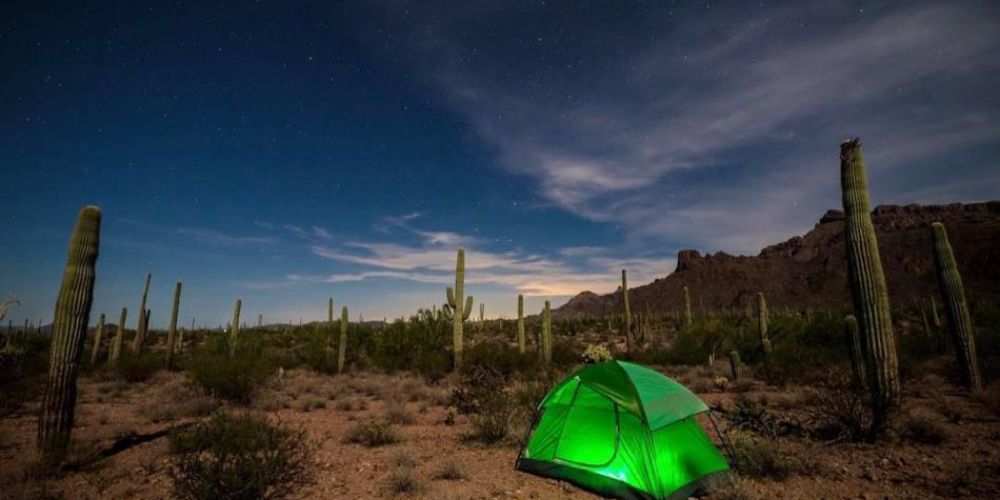
Desert camping in particular puts you close to life that most people never slow down enough to notice. Lizards on warm rocks, hawks riding thermals overhead, the sound of a coyote at night that makes everyone around the fire go quiet for a second. It's a reminder that you're in their space. That's not a bad feeling. It's the whole point of being out there.
If you're camping with a daughter or niece, wildlife watching is a natural hook. Kids who couldn't care less about setting up a tent will absolutely stop everything to watch a Gila woodpecker work a saguaro cactus. Bring a small field guide and let curiosity lead.
Gear Tips for Camping in Arizona
Arizona's climate is the thing to plan around before anything else. The state spans desert floor, canyon country, and mountain forest, and your gear needs shift meaningfully depending on where you're going. Start with sun protection. A shade canopy or tarp for your campsite is not optional in desert and canyon settings. The sun is relentless from late morning through late afternoon, and having shade you can retreat to makes or breaks the middle of the day.
A quality sleeping bag matters more than new campers expect. Desert nights lose heat fast once the sun goes down. Even in spring and fall, temperatures at the Grand Canyon and in higher-elevation forests can drop into the 30s overnight. Layer your sleep system rather than relying on one bag for every condition. A liner adds warmth without much weight or bulk.
Water is the most critical planning item in Arizona, full stop. Many desert campsites have no water hookups, and the sun and dry air drain you faster than you realize. Bring more than you think you need, every time. A water filter or purification tablets are worth carrying as a backup, especially on any site that involves hiking away from camp. Arizona state parks and national forests often post water availability on their reservation pages, so check before you go.
Essential Gear for Arizona
-
![Waestcia rechargeable heated gloves for winter outdoor and camping use]()
Waestcia Rechargeable Heated Gloves
Battery-powered gloves with touchscreen-compatible fingertips and waterproof construction. Useful for cold Arizona mornings at higher elevations.See Current Price -
![Fmeida 65L foldable black duffle bag with shoe compartment for travel and camping]()
Fmeida 65L Foldable Travel Duffle Bag
A large, packable bag with a separate shoes compartment. Water repellent and tear resistant. Folds flat when not in use. Holds 65 liters.View on Amazon -
![Sandsuced merino wool knee high ski socks for women in multiple colors]()
Sandsuced Merino Wool Knee High Ski Socks
Three pairs of knee-high merino wool socks in red, blue, and purple. Thick and warm, sized medium. Good for cold desert nights or mountain trips.Check Today's Price -
![Smith and Wesson Extreme Ops folding knife for outdoor and camping use]()
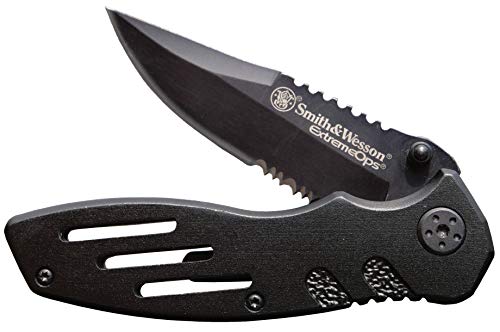
Smith & Wesson Extreme Ops Folding Knife
A compact, affordable folding knife for camp tasks. Features a 3.1in serrated clip point blade and aluminum handle. Total length is 7.1 inches.See Current Price -
![Anlisim merino wool hiking socks for women in tie-dye pattern]()
Anlisim Merino Wool Hiking Socks for Women
Five pairs of cushioned merino wool socks for hiking and cold-weather camping. Tie-dye pattern, thick cushioning, available in size medium.Check Today's Price



Cabin Options and First-Timer Friendly Camping
If a tent on the ground feels like a stretch for your first trip, Arizona state parks have you covered. Several parks offer camping cabins in addition to traditional tent and RV sites. A cabin gives you walls and a roof while still putting you outside, away from your routine, and close enough to the fire pit to count. For a first camping experience with a hesitant friend or a younger child, it's a solid bridge between comfort and the real thing.
RV sites are available throughout Arizona state parks as well, which means campers who want a little more comfort don't have to sacrifice location. You can park your home-base beside a lake or in red rock country and still have access to the landscape right outside your door. The parks are set up to welcome campers at every level of experience. Start wherever you're comfortable and go from there.
List of Services
-
Camping in Arizona Find Arizona's best camping spots, gear tips, and when to go. Perfect for beginners and families. Start planning your Arizona camping trip today.Camping in Arizona
-
Cycling in Arizona Discover Arizona's best cycling spots for women and families. Road, trail, and gravel rides await. Start planning your trip today.Cycling in Arizona
-
Hiking in Arizona Discover Arizona's best hiking trails for beginners, families, and friends. Get real tips on where to go, when to go, and what to bring. Start planning today.Hiking in Arizona
-
Kayaking in Arizona Find Arizona's best kayaking spots, when to go, and what to pack. Real tips for women and families. Start planning your paddle trip today.Kayaking in Arizona