
Paddling Arizona: Canyon Water, Desert Lakes, and Where to Go First
The Antelope Creek Paddle Route near Page is one of the most talked-about paddles in the state, and the 681 reviews on AllTrails tell you it earns that attention. It's an 11.9-mile out-and-back route rated as moderately challenging, so it's not a beginner's first outing, but it's well within reach for someone who has a few paddles under her belt. The canyon scenery along this route is the kind that makes you stop paddling just to look around. Plan for a full day and bring more water than you think you need.
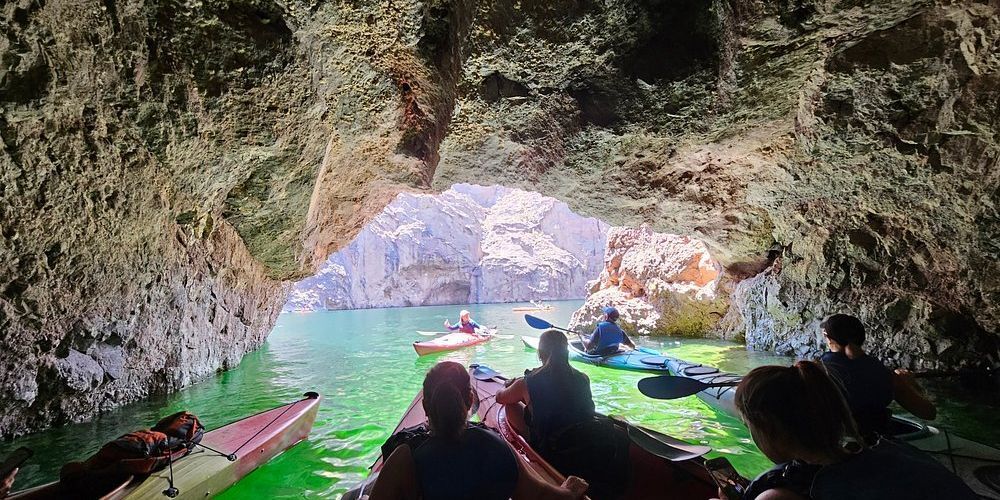
The Willow Beach to Emerald Cove route follows a segment of the Black Canyon Water Trail, which runs along the Colorado River. It's a calmer experience than the Antelope Creek route and the payoff at Emerald Cove is real. The color of the water in that cove is something you have to see to believe, and the timing matters. Arrive between 1 and 2 in the afternoon to catch the true emerald tones when the light hits the water right. That hour makes a difference.
On the eastern Arizona side of Lake Mead, Temple Bar Campground gives you direct access to Lake Mead National Recreation Area water. The campground is open year-round and has paved sites that work for tents or larger rigs, which makes it a practical base if you want multiple days on the water. Lake Mead is big, open, and can get windy, so read conditions before heading out. Early mornings tend to be calm and glassy.
Where Arizona Paddlers Actually Put In
Arizona's seasons work differently than most states, and that works in your favor as a paddler. Temple Bar Campground on Lake Mead is open year-round, which means water access on the Arizona side of the lake doesn't disappear when summer ends. Fall and spring tend to bring the most comfortable paddling temperatures, especially if you're doing longer routes like Antelope Creek. Summer mornings can still be beautiful, but heat builds fast and the desert doesn't negotiate.
For Emerald Cove on the Black Canyon Water Trail, the timing detail that matters most isn't the season, it's the hour. Early afternoon, specifically between 1 and 2 pm, is when the light hits the water and produces the emerald color the cove is named for. Plan your launch time backward from that window. It's worth it to structure your day around that specific hour rather than arriving whenever feels convenient.
If you're paddling in the heat of summer anywhere in Arizona, start early and be off the water before midday. Hydration is not optional. The scenery is worth every season, but the conditions require you to pay attention to when you go, not just where.
The Geology Behind What You're Paddling Through
The Rock Crossing Campground area in Coconino National Forest sits near one of the more striking geological features in the Southwest. A steep escarpment measured in thousands of feet stretches from New Mexico diagonally across roughly two thirds of Arizona. That ridge shapes the landscape you see from the water and from camp, and it gives the whole region a sense of scale that's hard to describe until you're standing in it. The views are sweeping and they are earned.
Arizona's waterways exist because of ancient geology and the Colorado River system, one of the most significant river systems in North America. The canyon walls you paddle through on routes like Antelope Creek near Page were carved over millions of years. That context changes how it feels to be out there. You're not just on a lake. You're moving through something very old.
Paddling in Arizona is a geography lesson you didn't expect to enjoy this much. The colors in the rock, the way the canyon walls change as the light shifts through the day, the sudden openness when a canyon gives way to a lake, all of it connects to a landscape that has been shaped by water for a very long time. That history is present every time you put your paddle in.
Gear Tips for Paddling Arizona's Desert Water
Arizona's biggest gear consideration isn't your kayak. It's sun protection and hydration. The desert reflects heat off the water and off canyon walls, and you'll feel it from every direction. A wide-brimmed hat, UV-protective long sleeves, and waterproof sunscreen applied liberally before you launch are non-negotiable. Bring more water than you think a few hours requires. In heat, your body works harder than it signals.
For routes like Antelope Creek, which is moderately challenging at 11.9 miles, a sit-in kayak gives you better control and some protection from splash. For calmer lake paddles on Lake Mead, a sit-on-top kayak works well and is easier for beginners to feel comfortable on. A personal flotation device is required and should fit properly, not just technically present in the boat. If you're paddling with a younger person, make sure her PFD is sized for her weight, not yours.
Dry bags are worth every cent on Arizona water. Your phone, car keys, a light snack, and any extra layers you peel off mid-paddle all need to stay dry. A paddle leash is a small addition that prevents a very frustrating situation if you tip or rest your paddle across the boat in wind. Pack light, pack smart, and leave room in the boat for the view.
Essential Gear for Arizona
-
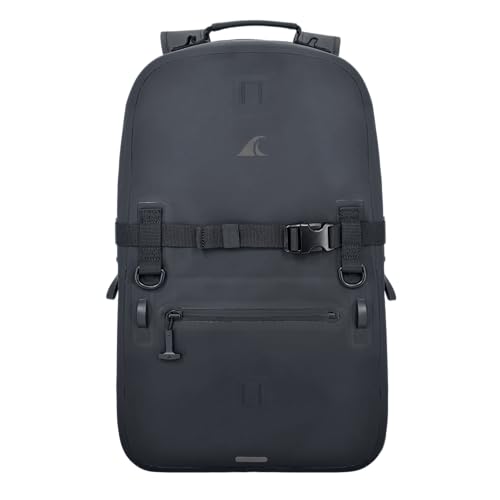
![Breakwater Supply Fogland waterproof submersible backpack in stealth black for kayaking and boating]()
Breakwater Supply Fogland IP68 Waterproof Backpack
Keep your gear dry on Arizona lake and river trips. Rated IP68 submersible with airtight zippers and a laptop sleeve. Holds 25 liters. Made from TPU.See Current Price -
![Athmile barefoot water shoes lightweight quick-dry design for kayaking and beach use]()
Athmile Barefoot Water Shoes for Women
A budget-friendly water shoe for kayaking and beach days in Arizona heat. Wide toe box keeps feet comfortable on and off the water. Just $17.99.Check Today's Price

List of Services
-
Camping in Arizona Find Arizona's best camping spots, gear tips, and when to go. Perfect for beginners and families. Start planning your Arizona camping trip today.Camping in Arizona
-
Cycling in Arizona Discover Arizona's best cycling spots for women and families. Road, trail, and gravel rides await. Start planning your trip today.Cycling in Arizona
-
Hiking in Arizona Discover Arizona's best hiking trails for beginners, families, and friends. Get real tips on where to go, when to go, and what to bring. Start planning today.Hiking in Arizona
-
Kayaking in Arizona Find Arizona's best kayaking spots, when to go, and what to pack. Real tips for women and families. Start planning your paddle trip today.Kayaking in Arizona