
Cycling in Arizona: Sun, Saguaros, and Roads Worth Every Pedal Stroke
Arizona's cycling reputation is built on thousands of miles of cycle-friendly roads and a range of terrain that covers pretty much every discipline. Road cycling, mountain biking, gravel biking, and multi-day bike touring all have a real home here. That's not marketing language. It's just what the state has to work with, and it's a lot.
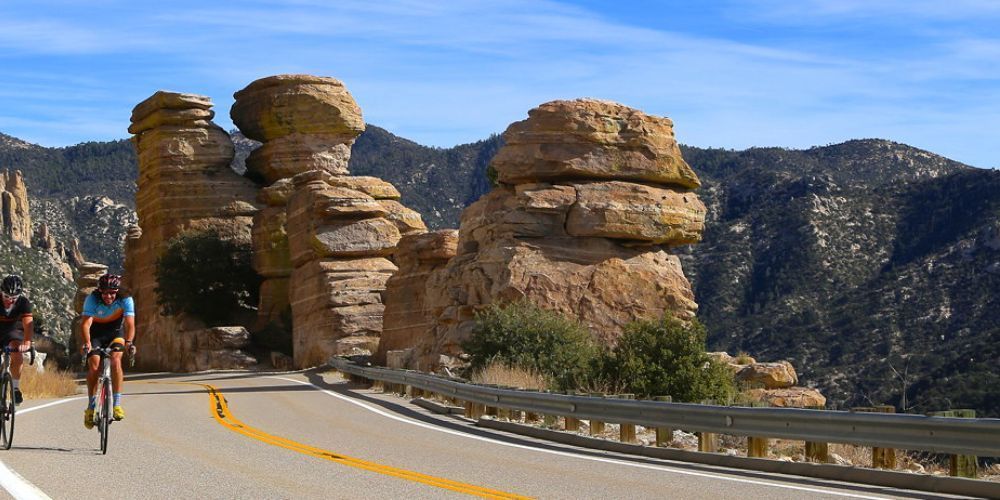
For road cyclists, Mt. Lemmon outside Tucson is one of the most talked-about climbs in the state. It's a sustained road climb that serious cyclists have been riding for decades, and the views as you gain elevation shift dramatically from desert scrub to pine forest. If you're newer to road cycling or just want something more relaxed, the Sabino Canyon Tram Road offers a paved option that feels accessible and genuinely lovely.
Gravel riders should know about Patagonia. The terrain around this small southern Arizona town is exactly what gravel biking was made for, open roads, big sky, and a quiet that settles over you fast. Tucson also has mountain bike trails that draw riders looking for technical, engaging singletrack. The disciplines here don't overlap much, which means you can pick your style and find a full trip built around it.
Roads, Trails, and Gravel: What Arizona Actually Offers
Sabino Canyon Tram Road is one of those rides that earns its reputation. It's a paved road running up Sabino Canyon, and the key detail is timing: cycling is best done in the late afternoon when the tram stops running. That window gives you the road with far less traffic, and the afternoon light in the canyon is worth arriving early to catch. It's the kind of ride you do once and immediately want to do again.
If you're riding with someone who wants a challenge, or if you're ready to push yourself, look at the Munds Wagon, Cow Pies and Hangover Loop Trail. AllTrails rates it 4.9 stars from more than 4,600 reviews, and it's described as the most popular and most difficult mountain biking trail in Arizona. That combination tells you something real. It draws people who know what they're doing and keeps bringing them back.
For a more relaxed day on the bike, the Apache-Sitgreaves National Forest area near Crook Campground and Woods Canyon Lake gives you cycling alongside fishing, hiking, and genuine high-country calm. Woods Canyon Lake is the most visited of four lakes in the area. Riding here feels unhurried in the best way. Red Rock Canyon Campground rounds out the options with both mountain biking and road biking access, plus guided programs if you want a little structure to your day.
When to Go Cycling in Arizona
Arizona's 300-plus days of sunshine make it a legitimate year-round cycling destination. That said, the season you choose matters depending on where you're riding. Desert-level routes around Tucson and Patagonia are at their best in spring and fall, when temperatures sit in a range that makes long rides feel good rather than grueling.
Summer heat in the low desert is serious, and it deserves respect. If you're riding in summer, early morning starts are not optional. They're the plan. Higher elevation rides, like Mt. Lemmon or the Apache-Sitgreaves area, open up in summer as a more comfortable alternative when the desert floor is sweltering.
Winter cycling in Arizona is genuinely mild by most standards. Many riders come specifically in January and February to escape colder climates and log miles in the sun. If you're planning a trip with a friend or your daughter and want the most flexible conditions, spring is hard to beat. The desert is blooming, the light is soft, and the roads feel like they were made for exactly this.
Terrain: What to Expect Before You Ride
Arizona's terrain is more varied than people expect. The southern part of the state is classic Sonoran Desert, saguaro cacti lining the roads, red rock in the background, and long sight lines that make you feel small in the best way. As you move north and gain elevation, pines replace cacti and the air cools. Mt. Lemmon is one of the clearest examples of that shift happening on a single ride.
Road surfaces in Arizona vary by route. Paved roads around Tucson and the Sabino Canyon area are generally well-maintained. Gravel routes near Patagonia will ask more of your bike and your legs, but that's the draw. Singletrack in the Tucson area is technical enough to keep experienced mountain bikers engaged, with the kind of rocky, rooted trail that demands your full attention.
Elevation change is something to factor into your planning. Arizona's terrain can shift dramatically over short distances, and what looks like a manageable ride on a map can feel different when you're gaining thousands of feet. Check elevation profiles before you commit, especially if you're newer to cycling or riding with someone who is. Being honest about that ahead of time makes the whole day better.
Gear Tips for Riding in Arizona
Sun protection is the first thing to get right in Arizona, not an afterthought. The UV index here is consistently high, and a long ride in the desert will expose you in ways that a quick spin at home won't. A quality cycling-specific sunscreen, UV-protective arm sleeves, and a helmet with good ventilation are worth every penny before you head out.
Hydration matters more here than in most states. Carry more water than you think you need. On longer or more remote routes, a hydration pack is worth the extra weight. Desert rides can stretch long distances between reliable water sources, and the dry air means you're losing fluid faster than you might feel.
For footwear, padded cycling shorts will change your experience if you're doing anything over an hour. It's one of those gear upgrades that feels small until you're 90 minutes into a canyon climb and deeply grateful you made it. Gloves help on gravel and singletrack where trail feedback comes through the handlebars. If you're renting a bike locally, call ahead and ask about helmet availability. Bringing your own is always the better call.
Essential Gear for Arizona
-
![Moreok waterproof winter gloves in black for cycling and outdoor activities]()
Moreok Waterproof Winter Cycling Gloves
Good pick for chilly early-morning desert rides. Touchscreen-compatible, windproof, and rated to -30F with 3M Thinsulate insulation.Check Today's Price

List of Services
-
Camping in Arizona Find Arizona's best camping spots, gear tips, and when to go. Perfect for beginners and families. Start planning your Arizona camping trip today.Camping in Arizona
-
Cycling in Arizona Discover Arizona's best cycling spots for women and families. Road, trail, and gravel rides await. Start planning your trip today.Cycling in Arizona
-
Hiking in Arizona Discover Arizona's best hiking trails for beginners, families, and friends. Get real tips on where to go, when to go, and what to bring. Start planning today.Hiking in Arizona
-
Kayaking in Arizona Find Arizona's best kayaking spots, when to go, and what to pack. Real tips for women and families. Start planning your paddle trip today.Kayaking in Arizona