
Arizona Hiking: Where to Start, What to Expect, and Why You'll Keep Coming Back
Phoenix alone has at least 46 easy hiking trails on AllTrails, including routes that are kid-friendly and historically significant. That's a real starting point, not a throwaway number. If you're planning a trip with your daughter or easing back into trail time after a long stretch indoors, the Phoenix area gives you options without demanding a lot of experience.
The Sonoran Desert around Phoenix and Scottsdale is a good place to begin. Guided hikes are available in that area through companies like Mad Desert, which means you don't have to navigate solo or figure out trailheads alone. A guided experience also connects you to the landscape in a deeper way, with someone who can name the plants you're looking at and point out animal signs you'd otherwise walk right past.
For those who want a bit more drama in the scenery without a dramatic difficulty jump, Picacho Peak State Park sits between Phoenix and Tucson and offers trails through desert landscape with real elevation and real views. The park has a layered history that makes the walk feel like more than exercise. It's the kind of trail that sticks with you after you're home.
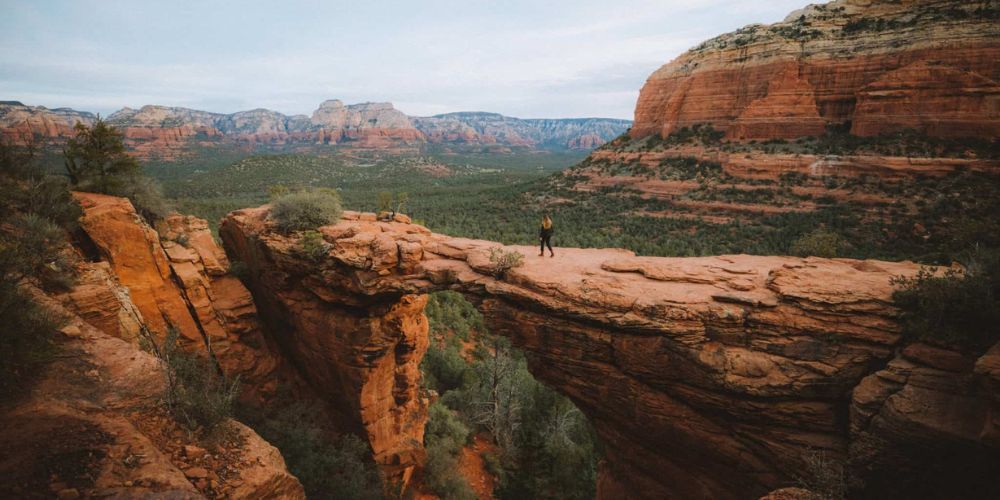
Trails in Arizona That Are Actually Good for Beginners
Picacho Peak State Park is known for its rich history, and that history has military roots. The Battle of Picacho Pass, fought in April 1862, was the westernmost Civil War engagement on record. Standing at the base of that peak and knowing what happened there gives the whole hike a different weight. It's not just a pretty desert walk. It's ground that means something.
Guided hiking and backpacking tours across Arizona make history part of the experience. Seasoned local guides weave in the story of the land, the Indigenous cultures that shaped it, the geology that carved it, and the wildlife that still moves through it. That kind of context transforms a trail from a workout into something closer to a conversation with place.
If you're hiking with a daughter old enough to ask questions, this is the state where those questions get real, interesting answers. Arizona's history is long and complicated and worth knowing.
When to Plan Your Arizona Hiking Trip
Arizona's seasons are not what you might expect. Summer is an active hiking season near the Grand Canyon and Sedona, but the desert heat in Phoenix and the southern part of the state means you'll want to be on trail by sunrise and finished well before noon. Hydration isn't a suggestion in July. It's the whole plan.
Winter in northern Arizona is a different story. The Wave at Coyote Buttes North can involve hiking on ice-covered sandstone in cold temperatures during winter visits. That's not a reason to avoid it, but it is a reason to go prepared and informed. Check conditions before you go and dress in layers you can actually shed.
Spring and fall are the sweet spots for most of Arizona. Mild temperatures, lower crowds, and the desert doing what it does best in the softer light of shoulder season. If you have flexibility in your schedule, aim for those windows.
The Terrain: What Arizona Trails Actually Feel Like
Desert hiking feels different from forest hiking in ways that surprise people the first time. The ground can be loose and rocky, the sun reflects off pale sandstone, and there's very little shade on most trails. You're exposed in a way that feels both freeing and humbling. It makes you pay attention.
At Vermilion Cliffs National Monument in northern Arizona, you're looking at towering cliffs and deep canyons that shift color through the day. The landscape there is geological storytelling at a scale that's hard to process until you're standing inside it. The cliffs turn orange, then red, then something close to purple as the light changes.
Paria Canyon within Vermilion Cliffs offers a three to five day wilderness backpacking experience for those ready to go further. That's not a beginner route, but it's worth knowing it exists for when you're ready to level up. The canyon walls close in around you in the best possible way.
Permits and Planning: What You Need Before You Go
Some of Arizona's most sought-after trails require permits, and the process matters more here than in most states. The Wave at Coyote Buttes North is one of the most in-demand day hikes in the country. Access requires winning an advanced lottery permit through Recreation.gov. The hike itself is a strenuous 6.4-mile round trip, and the permit process is competitive, so plan well ahead.
If you're thru-hiking the Arizona Trail through Saguaro National Park, an overnight permit activity pass is required for that segment. You can purchase it through Recreation.gov. It's a straightforward process once you know it exists, and knowing in advance saves real headaches at the trailhead.
For most state park trails and day hikes in the Phoenix area, no special permit is needed. Check the specific park website before your trip, bring cash or card for entrance fees, and confirm restroom availability at the trailhead if you're hiking with kids. Details like that matter more than people admit.
Essential Gear for Arizona
-
![Anlisim merino wool hiking socks in tie-dye colors for women's outdoor use]()
Anlisim Merino Wool Hiking Socks for Women, 5 Pairs
Five pairs of cushioned merino wool socks for cool-weather hikes. Thick and warm, good for layering in boots. Comes in tie-dye, size medium.See Current Price -
![Yaktrax Walk traction cleats stretched over a shoe for winter hiking]()
Yaktrax Walk Traction Cleats for Snow and Ice
Slip over your shoes for extra grip on icy or snowy trails. A budget-friendly starting point for winter traction. Sold as one pair, medium size.Check Today's Price -
![Yaktrax Diamond Grip traction cleats in black for all-surface winter hiking]()
Yaktrax Diamond Grip All-Surface Traction Cleats
A step up from basic traction cleats, designed for mixed surfaces including ice and snow. One pair, large size, in black.View on Amazon


Gear Tips for Hiking Arizona's Desert and Canyon Terrain
The single most important thing you can bring on an Arizona hike is more water than you think you need. The desert pulls moisture from your body in ways that feel invisible until they don't. A hydration pack with at least two liters of capacity is a smart baseline for any trail longer than a couple of miles. A soft insulated bottle for cold water alongside it isn't overkill.
Sun protection is not optional. A wide-brim hat that stays on in wind, sunglasses with UV protection, and a long-sleeve sun shirt in a lightweight fabric will keep you hiking longer and feeling better. Sunscreen on your neck and the backs of your hands is something people forget until they regret it.
For footwear, trail runners with good grip work well on most Arizona desert trails. If you're heading into canyon terrain or anywhere with loose sandstone, a more structured hiking shoe with ankle support gives you more confidence on technical footing. Pack a small first aid kit, a headlamp even for day hikes, and a fully charged phone with the trail downloaded offline on AllTrails before you lose cell service.
List of Services
-
Camping in Arizona Find Arizona's best camping spots, gear tips, and when to go. Perfect for beginners and families. Start planning your Arizona camping trip today.Camping in Arizona
-
Cycling in Arizona Discover Arizona's best cycling spots for women and families. Road, trail, and gravel rides await. Start planning your trip today.Cycling in Arizona
-
Hiking in Arizona Discover Arizona's best hiking trails for beginners, families, and friends. Get real tips on where to go, when to go, and what to bring. Start planning today.Hiking in Arizona
-
Kayaking in Arizona Find Arizona's best kayaking spots, when to go, and what to pack. Real tips for women and families. Start planning your paddle trip today.Kayaking in Arizona