
Camping in Minnesota: Where to Go, How to Book, and What to Bring
Tettegouche State Park on the North Shore is one of those places that earns its reputation. You get cabins, waterfalls, and views of Lake Superior that feel genuinely earned after the drive up Highway 61. The park draws a serious crowd, so book early. It's the kind of place that turns first-timers into annual visitors. Itasca State Park holds a particular piece of Minnesota history. It's where the Mississippi River begins, trickling out of Lake Itasca so quietly that you can step across it on stones. Standing at the headwaters is one of those small moments that stays with you. Families and solo travelers both find something true there. Forestville/Mystery Cave State Park brings something unusual to the list: an underground cave system you can tour while you're camped above ground. The park sits in the southeast corner of the state, in bluff country that looks different from the pine-and-lake landscape most people picture when they think of Minnesota. Nerstrand Big Woods State Park protects one of the last remnants of the Big Woods forest that once covered much of southern Minnesota. It's quieter than the North Shore parks, which makes it worth considering if you want a more unhurried trip. The trails wind through old hardwoods in a way that feels genuinely secluded.
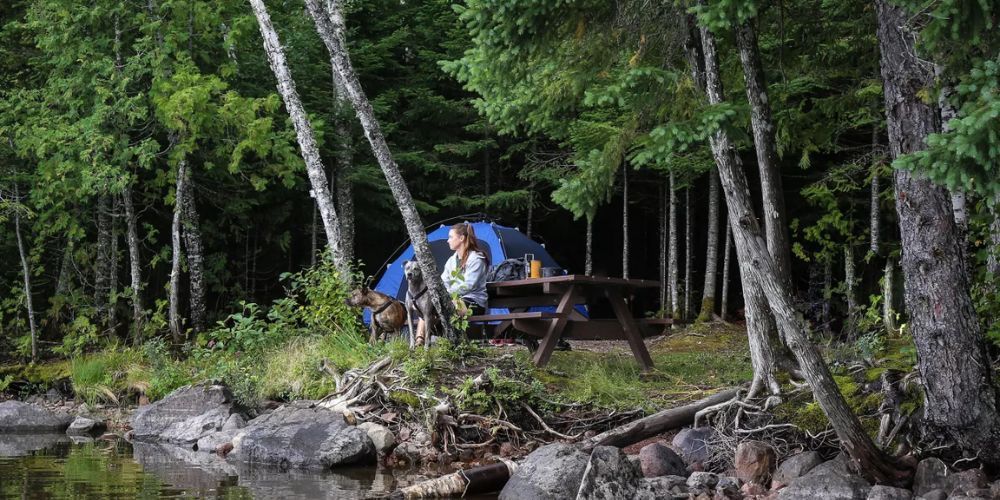
Where Minnesota Campers Actually Go
Minnesota state park campsites can be reserved up to 120 days in advance, and that window matters more than most people expect. Popular weekend sites at parks like Tettegouche and Itasca fill up fast, sometimes within hours of opening. If you have a target date, count back 120 days and put a reminder on your phone. Treating that booking window like a ticketed event is not an exaggeration. Weekend reservations at the most-requested parks are genuinely difficult to get. This is one of those situations where flexibility pays off. A Thursday arrival or a shoulder-season trip in late May or early September can open up options that July weekends simply won't. Midweek camping also tends to be quieter and more peaceful, which is worth something on its own. For federal land, Recreation.gov is your other tool. Chippewa National Forest has campgrounds bookable through the site, including Deer Lake Campground on the west shore of Cut Foot Sioux Lake near Lake Winnibigoshish. With over 200 Minnesota results on Recreation.gov, there's real depth to explore beyond the state park system.
Water Access and Lakeside Sites
Minnesota camping and water access are nearly inseparable. The state's lake density means that a huge share of its campgrounds sit within walking distance of water, and many offer direct lake access from the site. Deer Lake Campground in Chippewa National Forest is a good example. It sits on the west shore of Cut Foot Sioux Lake, right next to Lake Winnibigoshish, with sites split across two loops so you can choose your level of proximity to the water. Mille Lacs Kathio State Park sits on Mille Lacs Lake, one of the largest lakes in the state. The lake is calm and clear on still mornings, the kind of surface that reflects the tree line perfectly. It's a solid choice if being near big water is a priority for your trip. Split Rock Creek State Park, in the southwest corner of the state, offers a different kind of lakeside experience. It's a smaller, less-trafficked park with a reservoir at its center. If you want a calmer trip without competing for sites, this one deserves a closer look.
Gear Tips for Minnesota Camping
Minnesota's camping season runs roughly from May through October, but the weather within that window varies a lot. Summer nights in the north can dip into the 40s even in July, so a sleeping bag rated for cooler temperatures is worth having regardless of when you go. Layer your clothing, not just your bedding. Bugs are real in Minnesota, especially in June and July near water and in forested areas. A good head net and a DEET-based repellent will matter more than almost any other piece of gear during peak mosquito season. Don't skip this. Waterproof footwear earns its keep on Minnesota trails, particularly after rain. Muddy paths near lakes and rivers are the norm, not the exception. A pair of waterproof hiking boots or trail shoes with solid grip will keep you moving comfortably. If you're staying in a state park cabin rather than tenting, check what's provided before you pack. Some Minnesota state park cabins include bedding and basic kitchen supplies, others don't. Confirming those details ahead of time saves you from overpacking or showing up underprepared.
Essential Gear for Minnesota
-
![Anlisim merino wool hiking socks tie-dye pattern for women]()
Anlisim Merino Wool Hiking Socks for Women, 5 Pairs
Five pairs of warm, cushioned socks made with merino wool. Great for cold Minnesota mornings on the trail or around camp. Women's sizing.View on Amazon -
![Yaktrax walk traction cleats for walking on snow and ice]()
Yaktrax Walk Traction Cleats for Snow and Ice
Slip these over your shoes before heading out on icy paths. Simple to put on and helpful for winter walks around camp or neighborhoods.Check Today's Price -
![Stanley pour over camp coffee set hammertone green for camping]()
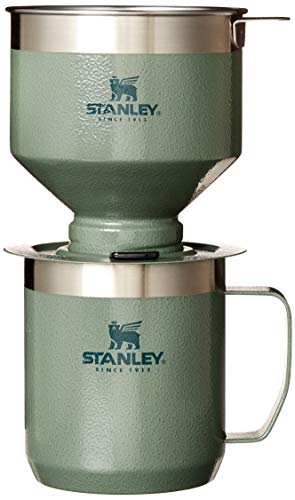
Stanley Perfect Brew Pour Over Set, 12 oz
Make real pour-over coffee at camp with this insulated stainless steel mug and reusable filter set. BPA-free, 12 oz mug with lid included.See Current Price -
![Carhartt soft-shell camping cooler brown for outdoor use]()
Carhartt Soft-Shell Camping Cooler, Brown
A rugged soft cooler that works at the campsite or on a day trip. Durable enough to toss in the car without worry. Soft-shell design.See Current Price -
![LifeStraw personal water filter blue for hiking and camping]()
LifeStraw Personal Water Filter, 3 Pack
Drink directly from lakes and streams on Minnesota trails. A solid grab for day hikes or emergencies. Comes in a 3-pack so you can share.Check Today's Price




List of Services
-
Camping in Minnesota Find the best camping in Minnesota for women, beginners, and families. Top parks, booking tips, and gear advice. Start planning your trip today.Camping in Minnesota
-
Cycling in Minnesota Discover Minnesota's best cycling trails for women, beginners, and families. Find top routes, gear tips, and when to go. Start planning your ride today.Cycling in Minnesota
-
Hiking in Minnesota Discover Minnesota's best hiking trails for women and families. Find top spots, gear tips, and when to go. Start planning your trip today.Hiking in Minnesota
-
Kayaking in Minnesota Discover Minnesota's best kayaking spots for women, beginners, and families. Find top sites, gear tips, and when to go. Start planning your trip today.Kayaking in Minnesota