
Paddling Minnesota: Calm Lakes, River Routes, and Where to Start
Medicine Lake near Plymouth is the right place to start if you're new to kayaking or just want a low-pressure morning on the water. The loop runs 3.4 miles and is rated easy. It's unlikely to be crowded, which means you can move at your own pace without feeling rushed or watched. For a first paddle or a relaxed outing with a daughter, it checks every box.
The Blue Earth River is worth knowing about if you want a little more character in your trip. Bent River Outfitter runs guided kayak tours there that pass through small rapids and near waterfalls. The rapids are beginner-friendly, but they give you something to pay attention to. A guided tour takes the guesswork out of the route and lets you stay focused on the actual experience.
Gull Lake in the Mississippi River Headwaters region is the largest of 10 connected lakes in that area. It draws paddlers alongside hikers, swimmers, and anglers, so it's a solid pick when your group has mixed interests. The water there has the kind of calm, open feel that makes a full day go by quickly.
For those ready to commit to something more serious, the Boundary Waters Canoe Area Wilderness in Superior National Forest is in a category of its own. It's one of the most visited wilderness areas in the country, and the paddling there is as remote and pristine as anything you'll find east of the Rockies. Overnight trips require a permit through recreation.gov, so plan that piece early.
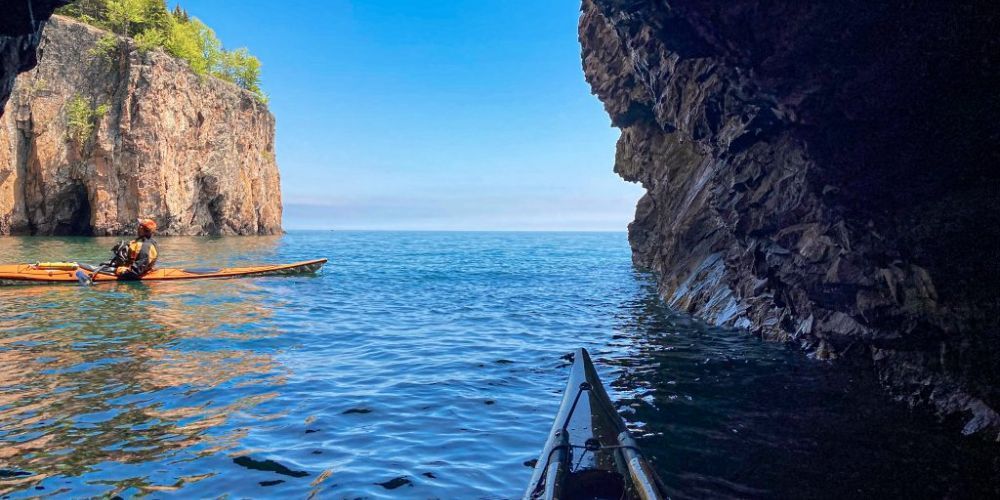
Where Minnesota Paddlers Actually Go
Most of Minnesota's beginner-friendly paddling happens on flatwater, meaning lakes and slow-moving stretches of river where the water is calm and predictable. Medicine Lake is a good example. The surface can look almost glassy on a still morning, and there's no current pulling you anywhere you don't want to go. Flatwater is forgiving, and it's the right place to get comfortable with your paddle strokes.
Moving water is a different experience, and the Minnesota River route from Saint Peter to Le Sueur gives you a clear picture of what that means. That 14.2-mile point-to-point trail is rated moderate and runs near Kasota. It's not a whitewater route, but a river has its own pace, and you work with the current rather than around it. Shuttling a vehicle to the end point is part of the logistics, so go with someone who's done it before or connect with a local outfitter.
The Blue Earth River tours through Bent River Outfitter sit in between. The rapids are small and suitable for beginners, but they give the paddle a rhythm that flatwater doesn't. If you've done a few lake outings and want to try something with a little more movement, this is a natural next step.
The History You're Paddling Through
Voyageurs National Park takes its name from the French-Canadian voyageurs, the fur traders who moved through these waterways by canoe in the 17th and 18th centuries. They paddled enormous birchbark canoes loaded with goods, covering hundreds of miles through the same lakes and channels you can explore today. That history is present in a way that's hard to describe until you're actually out on the water.
The park's guided North Canoe Voyage program at Ash River puts you in a traditional-style canoe with a ranger who connects the experience to that paddling heritage. The program is open to ages 8 and up, includes about an hour on the water, and children must be accompanied by an adult. It's one of the more meaningful ways to spend a morning in northern Minnesota, especially if you're looking for something that goes beyond just the physical activity.
Paddling these routes isn't just recreation. You're moving through a landscape that people have depended on for centuries. That context, once you have it, changes how you look at the water.
Gear Tips for Paddling in Minnesota
Minnesota's paddling season runs roughly from late spring through early fall, and the water temperature matters more than the air temperature here. Lakes in the northern part of the state stay cold well into June. A lightweight wetsuit or a splash jacket is worth packing for any early-season trip, even on a warm day. Cold water immersion is something to take seriously, and being prepared for it costs you very little.
For lake paddling, a sit-on-top or recreational kayak works well. They're stable, easy to re-enter if you tip, and comfortable for loops like Medicine Lake. If you're heading into the Boundary Waters for an overnight trip, a longer touring kayak gives you better tracking and the storage you need for gear. River paddling on the Minnesota or Blue Earth calls for something with a bit more maneuverability, though beginners on guided tours won't need to worry about selecting the right boat since outfitters provide equipment.
Sunscreen, a wide-brim hat, and polarized sunglasses are non-negotiable on the water. The sun reflects off the surface and hits you from two directions at once. A dry bag for your phone, snacks, and a layer keeps the small things dry and gives you peace of mind on longer routes. Bring more water than you think you need.
Essential Gear for Minnesota

Athmile Barefoot Water Shoes for Women
List of Services
-
Camping in Minnesota Find the best camping in Minnesota for women, beginners, and families. Top parks, booking tips, and gear advice. Start planning your trip today.Camping in Minnesota
-
Cycling in Minnesota Discover Minnesota's best cycling trails for women, beginners, and families. Find top routes, gear tips, and when to go. Start planning your ride today.Cycling in Minnesota
-
Hiking in Minnesota Discover Minnesota's best hiking trails for women and families. Find top spots, gear tips, and when to go. Start planning your trip today.Hiking in Minnesota
-
Kayaking in Minnesota Discover Minnesota's best kayaking spots for women, beginners, and families. Find top sites, gear tips, and when to go. Start planning your trip today.Kayaking in Minnesota