
Hiking in Minnesota: Where to Go, What to Expect, and Why You'll Keep Coming Back
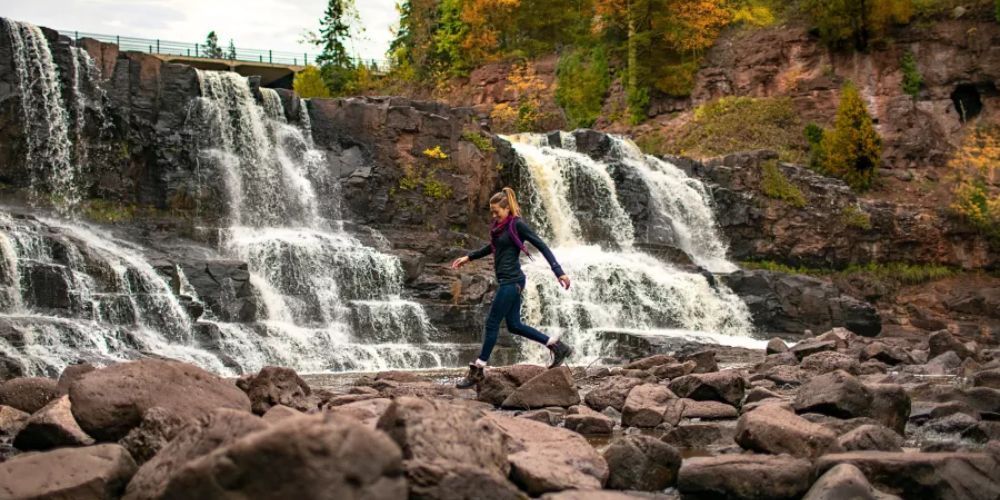
The North Shore is where most people start, and for good reason. Gooseberry Falls State Park sits near Two Harbors and gives you the waterfall payoff without demanding expert legs to get there. It's one of Minnesota's most recognized state parks for hiking, and the falls themselves are the kind of thing that makes you stop mid-sentence.
Split Rock Lighthouse State Park features the Day Hill Hike, one of the standout trails on the North Shore. The trail rewards you with views of Lake Superior that feel earned without being punishing. This is a trail that works well for first-timers and for anyone who wants a scenic outing without a full-day commitment.
Shovel Point is worth a specific mention. The hike is approximately 2 miles and starts behind the visitor's center, following signs for the Hiking Club trail heading east. It's a focused, well-marked route that delivers big scenery in a manageable distance. For a first North Shore hike with a daughter or a group of friends, this one is hard to beat.
Voyageurs National Park covers 218,000 acres of lakes, forests, and streams in northern Minnesota. It was established in 1975, and hiking here puts you inside a landscape that feels genuinely remote. Pair it with a stay at Trail's End Campground in Superior National Forest, which sits right next to the Boundary Waters Canoe Area Wilderness, and you have the kind of trip people talk about for years.
Minnesota Trails Worth Planning Your Trip Around
Not every hike needs a road trip. There are at least 11 solid hikes either within the Twin Cities or within two hours of it, which means a weekday evening or a short Saturday can still get you somewhere worth going. Some of these trails cross into Wisconsin, so it's smart to check whether you need a Minnesota State Park Pass, a Wisconsin State Park Pass, or both before you head out.
Afton State Park is one of the state parks listed among Minnesota's best for hiking, and it's close enough to the metro to be a practical option on a regular basis. State parks with designated Hiking Club trails are a good framework if you like having a goal. Minnesota State Parks runs a Hiking Club program with specific trails throughout the state park system, and working through those trails gives you a natural way to explore the state over multiple seasons.
The Minnesota Valley National Wildlife Refuge is another accessible option, and it's free. The refuge spans more than 14,000 acres across both rural and urban communities. That combination of size and accessibility is rare, and the trail experience there is genuinely different from a groomed state park path.
When to Go Hiking in Minnesota
Fall is the season most people point to when they talk about Minnesota hiking, and the trail data backs that up. AllTrails highlights the Superior Hiking Trail Bean and Bear Lake Loop, the Oberg Mountain Loop via Superior Hiking Trail, and Fifth Falls as specifically popular fall routes. The color along the North Shore during fall is the kind of thing you see in photos and assume is exaggerated. It isn't.
The Oberg Mountain Loop deserves a specific note for fall. It's one of the most recommended fall hikes in the state, and the overlooks on that trail show off the color in a way that feels almost theatrical. Go on a clear day and you'll see why people drive hours to be there in October.
Spring and summer have their own case to make. Waterfall trails like Gooseberry Falls and Fifth Falls are at their best when snowmelt is still feeding the water. Summer gives you long daylight hours and full trail access across the state. Winter hiking exists in Minnesota too, though it asks more of your gear and your footing. Most beginners will find their groove in late spring through early November.
The History Behind the Trails
Voyageurs National Park carries its history in its name. The park was named after the French-Canadian voyageurs, the fur traders who traveled these waterways by canoe during the fur-trade era of the 17th and 18th centuries. They paddled routes through this exact landscape, carrying trade goods and furs across thousands of miles. Hiking through Voyageurs today, you're moving through the same forests and around the same lakes they navigated.
That connection to the fur trade makes northern Minnesota feel layered in a way that some parks don't. The land here wasn't just wilderness. It was a working landscape for centuries before it became a national park in 1975. Knowing that history adds something to a quiet trail walk that's hard to name but easy to feel.
Gear Tips for Hiking in Minnesota
Minnesota's terrain shifts depending on where you are. The North Shore means rocky, rooted trails along Lake Superior, often with elevation changes and exposed clifftop sections. Prairie trails in western Minnesota are more open and flat, but the sun exposure is real. Pack and dress for the specific area you're heading to, not just for the season in general.
Layering is the move for spring and fall hiking here. Minnesota mornings can be genuinely cold even in September, and the temperature on a North Shore trail can drop fast when clouds roll in off the lake. A moisture-wicking base layer, a mid-layer fleece, and a packable wind shell covers most conditions from May through October.
Footwear matters more in Minnesota than in some states. Trails near waterfalls and along the North Shore are often wet, rooted, and uneven. A trail shoe with grip and ankle support is worth it. Waterproof is a plus, especially for spring or early fall when morning dew and stream crossings are part of the deal.
Sun protection gets overlooked on wooded trails, but the prairie parks and exposed North Shore overlooks offer very little shade. Sunscreen and a hat are practical items, not optional ones. If you're hiking at Minnesota Valley National Wildlife Refuge or any of the more open state parks, treat it like a beach day for your skin.
Essential Gear for Minnesota
-
![The North Face Jester Everyday backpack in black with laptop sleeve for commuting and day hiking]()
The North Face Jester Everyday Backpack
A water-repellent daypack with a laptop sleeve. Comfortable for casual day hikes or everyday carry. Available in one size, TNF Black.See Current Price -
![Yaktrax walk traction cleats stretched over shoe for winter walking on ice]()
Yaktrax Walk Traction Cleats for Ice and Snow
Slip these over your shoes for extra grip on icy Minnesota sidewalks and winter trails. Designed for walking on snow and ice. Sold as one pair.Check Today's Price -
![LifeStraw personal water filter blue 3-pack for hiking and camping]()
LifeStraw Personal Water Filter, 3 Pack
Drink directly from streams and lakes on the trail. A solid backup for Minnesota day hikes. Comes as a 3-pack, so you can share or stash extras.Check Today's Price -
![The North Face Borealis Commuter backpack in black with laptop sleeve for hiking and commuting]()
The North Face Borealis Commuter Backpack
A water-repellent pack with a laptop sleeve and a large main compartment. Works well for day hikes or commutes. Available in one size, TNF Black.View on Amazon -
![The North Face Recon Everyday backpack in black with water bottle pockets for hiking and daily use]()
The North Face Recon Everyday Backpack
A water-repellent daypack with a laptop sleeve and two water bottle pockets. Practical for Minnesota trail days or daily use. One size, TNF Black.View on Amazon


List of Services
-
Camping in Minnesota Find the best camping in Minnesota for women, beginners, and families. Top parks, booking tips, and gear advice. Start planning your trip today.Camping in Minnesota
-
Cycling in Minnesota Discover Minnesota's best cycling trails for women, beginners, and families. Find top routes, gear tips, and when to go. Start planning your ride today.Cycling in Minnesota
-
Hiking in Minnesota Discover Minnesota's best hiking trails for women and families. Find top spots, gear tips, and when to go. Start planning your trip today.Hiking in Minnesota
-
Kayaking in Minnesota Discover Minnesota's best kayaking spots for women, beginners, and families. Find top sites, gear tips, and when to go. Start planning your trip today.Kayaking in Minnesota